If you’re listening instead of reading, here’s the quick answer: Winter mosquitoes in Massachusetts are real, but the “getting attacked outside in January” part is mostly fiction. What’s real is what happens behind the scenes in winter—because it sets you up for how bad spring and summer feel in Essex County.
I’m Jeff from Mosquito Enemy. I’ve been doing mosquito and tick control long enough to tell you this: most people wait until they’re getting bit to take action. And by then, you’re already playing defense.
The truth: Winter mosquitoes are real… just not the way most people think
When homeowners in Salisbury, Amesbury, or Merrimac say “winter mosquitoes,” they usually mean one of two things:
-
- They saw a mosquito indoors in a basement, garage, mudroom, or shed.
-
- We had a warm spell, and suddenly they noticed mosquito activity again.
That’s not your imagination. That can happen. But in a normal Essex County winter, you’re usually not dealing with full-blown outdoor biting pressure the way you do in July.
How mosquitoes survive winter in Massachusetts
Here’s the part most people don’t know. Mosquitoes don’t just “disappear.” Different species survive winter in different ways. The big ones are:
1) Eggs that sit tight until spring
Some mosquitoes lay cold-hardy eggs in late summer and fall. Those eggs can make it through winter and hatch when spring conditions hit—snow melt, rain, flooding, and standing water.
Translation: You may not see mosquitoes in February, but you can still have a mosquito problem “loading” for April and May.
2) Adult females hiding in protected places
This surprises people every year. Some mosquitoes overwinter as adult females by going dormant in protected spots. Think basements, crawlspaces, sheds, garages, and other sheltered areas.
If you’ve ever told someone, “I swear I saw a mosquito in my basement in winter,” I’m not going to argue with you. I’m going to tell you: yup, that happens.
3) Water + shelter = trouble later
Winter is also when small problems turn into big ones—because water sits longer, gutters clog, and yards stay wet. Once spring warms things up, those “little water issues” become breeding opportunities.
Why the North Shore gets hit hard: coastal pressure and fast hatching
Essex County is not all the same. The North Shore has its own mosquito personality. And if you’re in Salisbury or anywhere near coastal marsh areas, you already know what I mean.
Salisbury: salt marsh mosquitoes can be brutal
Coastal “salt marsh mosquitoes” are aggressive biters and they can show up fast when conditions line up. High tides, storm flooding, and heavy rain can trigger egg hatching in marsh areas. Then you can go from “quiet” to “here we go again” in a hurry.
That’s why some Salisbury homeowners feel like mosquitoes don’t just arrive… they roll in.
Amesbury & Merrimac: woods edges and backyard breeding pockets
Amesbury and Merrimac have plenty of neighborhoods where mosquitoes build up from the typical stuff:
-
- clogged gutters and downspouts dumping water
-
- tarps holding water in folds
-
- buckets, toys, plant trays, and anything that turns into a “mini pond”
-
- low spots that stay wet after snow melt and spring rain
-
- leaf litter and brushy edges that stay damp and shaded
And here’s the honest part: mosquitoes don’t care about property lines. You can do everything right and still get hit if the surrounding area is producing mosquitoes.
Winter checklist: what I’d do right now if this was my own yard
I’m not big on “fluff tips.” I’m big on steps that actually matter. Here’s the winter-to-early-spring checklist I recommend to homeowners in Essex County:
-
- Clean your gutters. Standing water in gutters is an easy breeding setup later.
-
- Fix downspout drainage. Don’t dump water right at the foundation.
-
- Flip or store water-holding items. Buckets, toys, plant trays, wheelbarrows.
-
- Get rid of tarp puddles. Tarps are a mosquito factory when they sag.
-
- Watch low spots. If water pools for days, it’s a problem.
-
- Clean up the edges. Leaf piles and brushy areas hold moisture and shelter pests.
Will that eliminate mosquitoes by itself? No. But it can reduce the pressure coming off your own property. And that makes everything else work better.
Quick reality check: ticks don’t “take the winter off” either
People love to say, “Ticks die in winter.” I wish that was true.
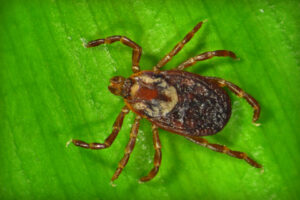
Tick exposure can still happen during winter when temperatures are above freezing, especially around woods edges, leaf litter, and brushy areas. If you’ve got dogs, kids, or you’re out walking the yard on mild days, tick checks still matter.
What Mosquito Enemy does differently (and why that matters)
I’m not interested in being the cheapest mosquito company on the North Shore. I’m interested in delivering above-average results that you actually feel when you walk outside.
Here’s the big difference: a lot of companies focus on adult mosquitoes only. That’s “spray and hope.”
At Mosquito Enemy, we built our programs to go after more than just the adults. With the right programs combined, we target 3 of the 4 mosquito life stages (the only stage we can’t control is the pupae stage because it’s not feeding). We aim for up to 96% control so you can enjoy your outdoor space again—deck, pool, hot tub, barbecue, and the yard—without mosquitoes and ticks running the show.
FAQ: Winter mosquitoes in Essex County, MA
Are winter mosquitoes real in Massachusetts?
Yes. You may see them indoors or during warm spells. But winter is not “peak biting season” outside like summer.
Why do I see mosquitoes in my basement or garage in winter?
Some mosquitoes survive as adult females by going dormant in sheltered places like basements, crawlspaces, garages, and sheds.
When does mosquito season start in Salisbury, Amesbury, and Merrimac MA?
It starts when temperatures rise and water starts pooling from snow melt and spring rain. Some years it ramps up earlier than people expect.
What’s the #1 thing I can do right now to reduce spring mosquitoes?
Eliminate standing water sources and fix drainage issues (gutters, downspouts, tarp puddles, and backyard low spots).
Do I need mosquito and tick control if I already use repellent?
Repellent helps you personally. It doesn’t reduce the mosquito population around your home. Control is about making the entire outdoor space more enjoyable, not just surviving a walk to the grill.
Your Call To Action!
If you dealt with mosquitoes last season on the North Shore, don’t wait until you’re getting bit to do something about it. The sooner you get ahead of it, the better the results feel all season.
Start here: Mosquito and Tick Control
Call Today! 888-229-0095
jeff@mosquitoenemy.com
Let’s make it more fun outside!