Ticks aren’t only hiding in deep woods; they’re right in your backyard if you live in Massachusetts or New Hampshire. This fact is especially relevant for residents in towns like North Reading, MA, Amesbury, MA, and Middleton, MA.
Ticks can easily latch onto anyone outdoors—kids, adults, or pets. Even one tick bite can transmit multiple diseases, emphasizing the importance of effective tick prevention.
In this comprehensive guide, you’ll learn about:
Common tick diseases in Massachusetts and New Hampshire
Recognizing symptoms in children, adults, and pets
Effective strategies for controlling ticks
Practical yard prevention tips
Advanced tick prevention strategies
Community involvement in tick control
Special precautions for children and pets
Our aim here is clear, practical advice without scare tactics.
Understanding Why Ticks Are a Threat
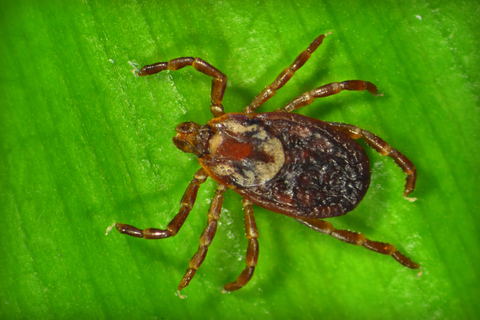
Ticks don’t jump or fly; rather, they wait on grass and bushes, attaching to hosts that pass by. During feeding, ticks can transmit various illnesses.
In Massachusetts and New Hampshire, the primary ticks of concern include:
Blacklegged Ticks (Deer ticks)
Dog Ticks
Lone Star Ticks (recently more common)
Rising Concern: Lone Star Ticks
Originally prevalent in southern states, Lone Star ticks have become increasingly common in Massachusetts, especially near Cape Cod and surrounding islands.
Here’s why they’re problematic:
Aggressive nature: They actively seek hosts.
Rapid biting: They bite quickly and frequently.
Specific diseases: Ehrlichiosis, Tularemia, STARI.
Alpha-gal Syndrome: Allergy to red meat induced by tick bites.
Consequently, residents near coastal regions should stay particularly cautious.
Common Tick Diseases in MA & NH
1. Lyme Disease
In humans: Rash, fever, joint pain, fatigue, neurological issues.
In dogs: Limping, lethargy, joint swelling.
2. Anaplasmosis
Symptoms typically include fever, headaches, muscle aches.
Dogs may display joint pain, stiffness, and fever.
3. Babesiosis
Extreme fatigue, chills, and fever.
Dogs might exhibit weakness, lethargy, and pale gums.
4. Borrelia Miyamotoi
Fever, chills, and muscle aches, without the typical Lyme rash.
5. Powassan Virus
Rare but serious, presenting symptoms like fever, confusion, neurological issues.
6. Rocky Mountain Spotted Fever
Rare in MA, symptoms include sudden fever, severe headaches, rash.
7. Tularemia
Rare, but can present with fever, skin ulcers, swollen glands.
8. Additional Lone Star Tick Concerns
Diseases like Ehrlichiosis, STARI rash, and Alpha-gal meat allergy.
Symptoms to Monitor
Tick diseases often mimic common illnesses, making them challenging to diagnose. Watch out for:
Unexplained fever
Fatigue, headaches, joint aches
Unusual rash following outdoor activities
Neurological signs such as confusion or facial drooping
In pets, pay attention to limping, lethargy, fever, loss of appetite, pale gums, or unusual bruising. Importantly, by protecting pets, you safeguard your home from tick infestations.
Effective Tick Control Measures
Layer 1: Personal Protection
Firstly, perform regular tick checks. Additionally, wear long sleeves, pants, and apply repellents like DEET or Permethrin. Shower immediately after outdoor activities.
Layer 2: Pet Protection
Next, use veterinarian-approved tick treatments like chewables, collars, or topical products. Regular vet visits are equally crucial.
Layer 3: Yard Maintenance
Furthermore, maintaining short grass, clearing leaf piles, and creating gravel or woodchip barriers significantly reduces tick habitats. Keep play areas sunny and open.
Layer 4: Professional Treatments
Moreover, professional treatments targeting specific tick habitats, such as shrubs and tall grass, significantly decrease tick populations.
Layer 5: Integrated Tick Management
Finally, combining yard maintenance, wildlife management, professional treatments, and tools like tick tubes can yield comprehensive results.
How Ticks Move and Spread
Ticks rely on wildlife—deer, rodents, birds—to travel. Thus, managing wildlife populations effectively reduces ticks. Additionally, reducing moist, shady areas in your yard helps discourage tick populations.
Addressing Common Tick Myths
Myth: Ticks fall from trees. Fact: They wait on grass or bushes.
Myth: Cold winters eliminate ticks. Fact: Ticks survive winters beneath leaves or snow. They become inactive in colder months, resuming activity when ground temperatures rise above 45 degrees Fahrenheit.
Myth: One tick bite equals one disease. Fact: A single tick can transmit multiple diseases simultaneously.
Costs of Neglecting Tick Prevention
Neglecting ticks can lead to substantial medical costs, veterinary bills, lost workdays, and chronic health issues. Therefore, effective prevention is both financially and medically prudent.
Community Tick Control Initiatives
Community-driven efforts amplify tick control effectiveness. Collaborative yard care, awareness programs, and coordinated professional treatments dramatically lower tick populations.
Choosing Effective Tick Products
Selecting scientifically proven tick prevention methods—professional yard sprays, tick tubes, and targeted repellents—is crucial. Avoid unproven or ineffective home remedies.
Tick Prevention All Year Long
Ticks remain active in spring, summer, and fall. Hence, year-round vigilance through consistent yard maintenance and tick checks is essential.
Advanced Tick Prevention Methods
For enhanced protection, consider installing deer fencing, conducting rodent control programs, and bird deterrents. These advanced measures substantially reduce tick exposure.
Special Tick Precautions for Children
Children, being particularly vulnerable, should be taught to identify ticks and promptly report bites. Regular tick checks and appropriate outdoor clothing are also essential.
Keeping Pets Safe from Ticks
Regular grooming, vet visits, and preventive medications for pets are critical. Pets frequently bring ticks indoors, increasing risks to your household.
Steps If You Find a Tick
Carefully remove ticks with tweezers, gripping near the head.
Clean the bite area with antiseptic.
Store the tick for potential testing.
Monitor health and consult a doctor if symptoms develop.
Regular Health Monitoring
After tick exposure, closely monitor your family’s health. Early detection and prompt medical intervention prevent severe complications.
What Professional Tick Control Services Offer
Professional treatments target tick habitats effectively. Customized, seasonal treatments provide long-lasting protection and peace of mind.
Ready to Ensure Your Family’s Safety?
Call now: 888-229-0095
Or initiate your tick control plan today: Tick Control Service
Because enjoying your outdoor spaces is significantly MORE FUN when you’re not concerned about ticks.