
I’m Jeff, your local pest control guy.
Botanical and “all-natural” mosquito sprays get a lot of attention.
Some families want the lowest-odor option they can find.
Other families want something that feels plant-based and simple.
Natural is a word that gets used in a lot of different ways.
This post is going to clean that up.
You’ll know what botanicals really are, what they do well, where they fall short, and why schedules matter so much.
Let’s keep it practical.
Related reading
Start here: Mosquito Spray Schedule: Why Recurring Treatments Beat One-Time Sprays
Then read this: Is mosquito spraying safe for kids and pets?
Quick answer
Botanical mosquito treatments are typically made from plant-based active ingredients, often oils or extracts, and they work best when applied on a tighter schedule.
Most “natural” treatments don’t last as long outdoors as traditional residual products, so reapplication is usually needed sooner.
Safety is not as simple as “natural equals safe,” because plant-based ingredients can still irritate skin, eyes, and sensitive pets if misused.
Scheduling is the real secret, which is why many botanical programs run every 14 days instead of every 21 days.
Sun, heat, and rainfall can break down essential-oil style products faster, so consistency matters more than hype.
What “botanical” actually means in mosquito control
Botanical usually means the active ingredient comes from a plant source.
Essential oils are one common bucket.
Plant extracts can be another bucket.
Some blends are “oil-heavy.”
Other blends are “extract-heavy.”
The label is what matters, not the marketing word.
Real products list their active ingredients and their use directions for a reason.
Why homeowners like botanicals
Smell is a big one.
A botanical program often has a lighter feel in the air compared to certain traditional options.
Peace of mind is another driver.
Families with little kids often want a plan that feels gentle and straightforward.
Lifestyle matters too.
Some households are already committed to plant-forward products indoors and outdoors.
That preference is valid.
Where botanicals can disappoint people
Longevity is the most common surprise.
A natural spray can feel great right after application.
Bites can creep back faster than homeowners expect.
Weather is usually the reason.
Heat and sun cook off some volatile oils.
Rain and irrigation can reduce what’s sitting on leaf surfaces.
Refills are the other reason.
A yard keeps getting new mosquitoes from breeding water, even when the adult knockdown feels strong for a few days.
How long does a “natural” mosquito treatment last?
Results vary by yard and weather.
A botanical treatment often needs reapplication sooner than a traditional residual program.
Two weeks is a common rhythm for a reason.
That tighter schedule is how you keep pressure down between visits.
A one-time botanical visit can help for an event.
Season-long comfort usually takes season-long consistency.
Are botanicals safer for kids and pets, or just different?
Different is the honest word.
Natural does not mean non-toxic.
Plant oils can irritate eyes and skin.
Sensitive people can react to strong scents too.
Pets add another layer.
Dogs lick their coats.
Cats groom even more.
Certain essential oils are a bad idea around cats in particular, which is why label rules and professional targeting matter.
Dry time still matters with botanicals.
Common sense still wins.
Why natural products often need tighter schedules
Botanical actives often break down faster outdoors.
UV light is rough on many plant-based compounds.
High heat speeds evaporation.
Heavy rain can reduce what remains on the leaf surface.
Mosquito biology keeps moving too.
New hatches show up on schedule whether you treat once or treat consistently.
A 14-day rhythm is how a botanical program stays ahead of the next wave.
Do essential-oil style products break down faster in sun, heat, and rain?
Yes, that’s a fair general expectation.
Volatile oils tend to dissipate faster than longer-lasting residual actives.
Strong sun speeds that up.
High humidity can change how long things cling to leaf surfaces.
Water from sprinklers can act like “mini rain” on a treated shrub line.
This is why timing and schedule matter.
What botanicals do well in real yards
Knockdown can be noticeable.
Comfort can improve quickly when the resting zones are targeted correctly.
Families often like the overall feel of the program.
Frequent visits can keep the yard in a steady groove.
That “steady groove” is what most people actually want.
What botanicals do not solve by themselves
Breeding pressure will still refill a yard.
Hidden water will still create new mosquitoes.
Neighboring pressure will still send mosquitoes over the fence.
Dense shade will still create resting pockets that keep biting pressure alive.
A botanical program can handle a lot.
Tough yards often need a layered plan.
The “layered plan” that makes botanicals work better
Resting-zone coverage is step one.
Breeding reduction is step two.
Good scheduling is step three.
That combo is how you stop the cycle of “good for a week, then bad again.”
Our core service is Mosquito + Tick Programs, and that includes an all-natural option for homeowners who want a botanical approach.
Breeding control is available through Mosquito Egg & Larvae Control when a yard keeps refilling from water you can’t fully eliminate.
Larvae feed, so larvicides can control them.
Pupae don’t feed, so that stage can’t be controlled the same way.
A quick reality check about “standing water”
Buckets and toys are the obvious stuff.
Tarps and wheelbarrows are the sneaky stuff.
Low corners that never dry are the stubborn stuff.
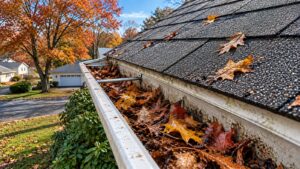
Clogged gutters are the hidden stuff that people forget about.
Dumping what holds water is step one.
Fixing what refills is step two.
The rain question and botanicals
Rain timing matters with any program.
Dry time matters even more.
Coverage is still the biggest driver of results.
We include a Rain Shield additive in every application because it reduces water surface tension so product spreads evenly instead of beading up, helps it bond faster and dry quicker for better coverage, and helps protect the application from rain or sprinklers.
That Rain Shield buys you weather room and helps protect the application through up to about 12 inches of rainfall or water before washout would be expected.
A quick shower after things dry usually isn’t the end of the world.
Pros and cons in driveway talk
Botanical programs can feel like the best fit for many families.
A tighter schedule is the tradeoff.
Odor is often lower.
Residual longevity is often shorter.
Comfort can be excellent when the program stays consistent.
Refills can still happen when breeding pressure is high and water is everywhere.
Bottom line
Botanical sprays can work really well when you treat the right zones and stick to the schedule.
Natural does not mean “ignore the label,” because plant-based products still need to be used responsibly.
A 14-day rhythm exists for a reason.
Layered plans is what makes tough yards feel predictable again.
That predictability is what gives you the yard back.
FAQ
What does “botanical” actually mean—essential oils, plant extracts, or something else?
A: Botanical usually means the active ingredients come from plant sources, often essential oils, plant extracts, or blends of both.
Detail: The label matters more than the buzzword, so active ingredients and directions should be read like they’re part of the safety plan.
How long does a “natural” mosquito treatment last before it needs reapplication?
A: Many natural treatments need reapplication sooner than traditional residual products, which is why 14-day programs are common.
Detail: Weather, sun, and breeding pressure can shorten the comfort window, so consistency keeps results steady.
Are botanicals safer for kids and pets, or just different?
A: Botanicals are usually best described as different, because plant-based actives can still irritate skin, eyes, and sensitive pets if misused.
Detail: Dry time, correct targeting, and label compliance matter for safety regardless of whether a product is botanical or synthetic.
Why do natural products often need tighter schedules (like 14 days)?
A: Many botanical actives break down faster outdoors, so tighter schedules help stay ahead of refills and new hatches.
Detail: A 14-day rhythm is often what keeps a yard from swinging between “great week” and “rough week.”
Do essential-oil style products break down faster in sun/heat/rain?
A: Yes, essential-oil style products commonly dissipate faster in sun and heat, and water can reduce what remains on leaf surfaces.
Detail: Scheduling, coverage, and breeding reduction are what keep performance steady when weather is unpredictable.
Top towns we service
Here are 16 of the top towns we service every week.
Amesbury, MA
Andover, MA
Boxford, MA
Byfield, MA
Georgetown, MA
Groveland, MA
Haverhill, MA
Ipswich, MA
Merrimac, MA
Newbury, MA
Newburyport, MA
North Andover, MA
Rowley, MA
Salisbury, MA
Topsfield, MA
West Newbury, MA
Don’t see your town? See the full list here: Service Area
Related resources
Start with / Mosquito + Tick Programs
Add this for tougher yards / Mosquito Egg & Larvae Control
Ticks ONLY / Tick Control
Home protection / Home Shield
Stinging insects / Stinging Insect Control
Rodents / Rodent Control
Gutter Cleaning / Gutter Cleaning
Reach us / Contact us
Call or text: 888-229-0095 | Email: jeff@mosquitoenemy.com | Contact us
It’s More Fun Outside! with Mosquito Enemy.