I’m Jeff, your local pest control guy.
If it feels like mosquitoes flip a switch right after a storm, you’re not imagining it.
Homeowners call me for a mosquito exterminator after rain because the yard can go from “pretty good” to “nope” overnight.
If you live in Salisbury, MA, you’ve seen that surge near Salisbury Beach State Reservation, the Salisbury Point Ghost Trail, and Blue Ocean Music Hall.
Rain doesn’t magically create mosquitoes, but it can set the table for the next wave.
Results vary by property, because drainage, shade, and nearby habitat are different on every lot.
Quick Answer
Mosquitoes seem worse after rain because standing water creates new breeding spots. Humidity also helps adult mosquitoes stay active longer, especially at dusk. Eggs that were already waiting can hatch when rain arrives. Warm weather after a storm can turn that water into biting adults in about a week.
Why mosquitoes feel worse after it rains
Mosquitoes feel worse after rain because rain creates more places for mosquitoes to start life and more comfort for adults to keep biting.
When I walk a yard, I’m looking for the “quiet water,” not the obvious pond.
Rain creates breeding zones in sneaky places
Standing water is the nursery, and it doesn’t have to be deep.
Water can sit in a wheelbarrow, a tarp fold, a toy, a plant saucer, or a low spot that puddles every time it rains.
Even a clogged corner of gutters can hold enough water to start a hatch.
Humidity keeps adult mosquitoes comfortable
Adult mosquitoes dry out easily, so humid air helps them survive and fly around longer.
Damp evenings also push them into feeding mode, which is why rainy weeks can make a backyard feel unusable.
Some eggs are built to wait for rain
Some mosquitoes lay eggs in places that go dry, and those eggs can sit there until rain floods the spot again.
That’s why you can clean up and still get hit after a storm, because the trigger was the water itself.
Answer Block: Mosquitoes seem worse after rain because water shows up in lots of small places and becomes a breeding zone. Eggs hatch in that water, larvae grow, and then adults emerge and bite. Humidity also helps adult mosquitoes survive longer and stay active. Warm weather after the storm speeds up the next wave.
When you should call a mosquito exterminator after rain
You should call a mosquito exterminator after rain when your yard keeps rebounding, because the problem is bigger than the mosquitoes you see today.
Most problem yards have one thing in common: water sits longer than it should and shade stays damp.
If you’re in Amesbury, MA, rainy weeks can crank things up around Woodsom Farm, Lake Gardner, and the Powow River.
That mix of water edges and shade can refill a yard quickly, even when you’re working hard.
Here’s what I check first: how long water sits after rain and where the yard stays damp two days later.
What a mosquito exterminator is really solving after rain
This is where a mosquito exterminator helps most: not just chasing today’s adults.
A good plan reduces the next hatch and knocks down the adults resting in shade right now.
Mosquito control service vs “one spray” thinking
Real mosquito control service follows the biology, not the calendar.
Consistency is what keeps a mosquito yard treatment from fading between visits.
Some folks call it monthly mosquito service, but mosquitoes hatch on their own clock.
Where a mosquito spray service works best
A professional mosquito spray service targets the places mosquitoes rest, like shrub lines and shaded edges.
Some people ask for a quick mosquito fogging service, but fogging alone rarely fixes the source when rain keeps refilling breeding spots.
Mosquito treatment cost depends on yard size, shade, and pressure around you, so “cheap” only matters if it actually holds up.
Resting zones vs breeding zones in a real yard
Control improves when you treat breeding zones for the next wave and resting zones for the adults already in your space.
Breeding zones are any places water sits long enough for eggs and larvae to develop.
Resting zones are the cool, protected spots where adults hide during the day, like dense shrubs, ivy, tall grass, and woodlines.
Mosquito life cycle and why consistency matters
Consistency matters because mosquitoes come in waves, and each wave starts in water before you ever hear a buzz.
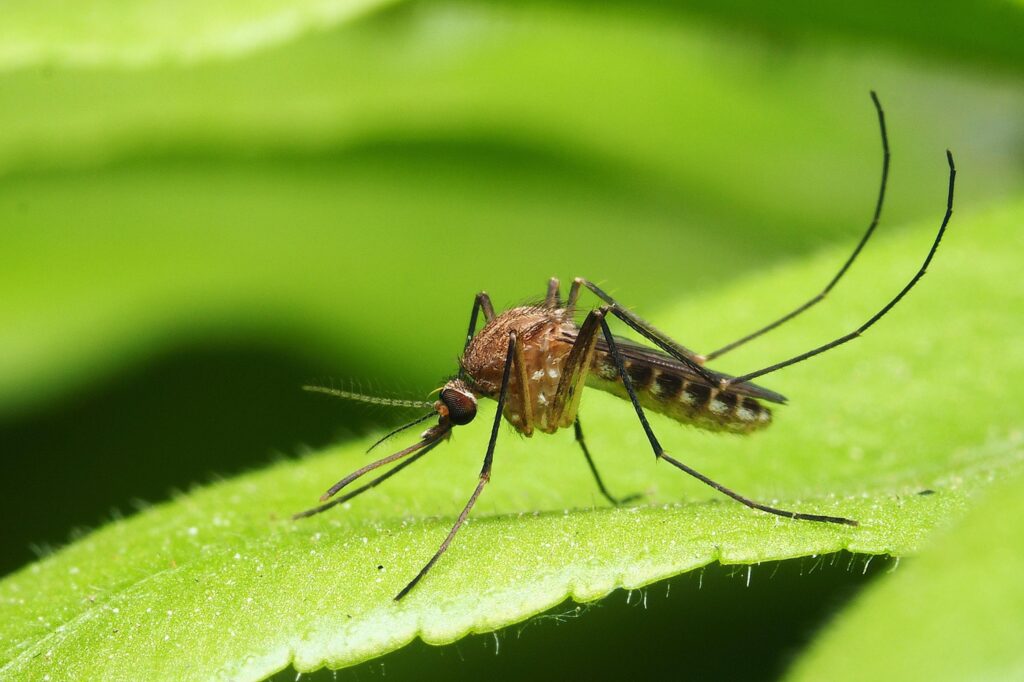
Mosquitoes go through egg, larva, pupa, and adult stages, and warm weather can move that cycle fast.
That’s why I like pairing a mosquito barrier treatment with Mosquito Egg & Larvae Control on the yards that need it.
We can target eggs, we can target larvae, and we can control adults, while the pupa stage is the one stage we can’t touch because pupae don’t feed.
Steady yard mosquito treatment comfort comes from keeping pressure on the cycle, not just on the adult you swatted.
That’s backyard mosquito control that holds up better after rain.
If you’re in Newbury, MA, the “after rain” spike can feel intense near Parker River National Wildlife Refuge, Spencer-Peirce-Little Farm, and the Coffin House.
Water-rich habitat plus shaded edges can drive big mosquito pressure, even when your yard looks tidy.
Fly-ins are real, so the goal is to make your yard the least inviting place to land and bite.
Why mosquitoes and ticks come back
Mosquitoes and ticks come back because nature keeps refilling the system through hatches, animal movement, and nearby habitat.
That’s why residential mosquito control is really about lowering the bite rate where you live, play, and relax.
If you’re trying to figure out how to get rid of mosquitoes in yard conditions for good, you manage habitat and timing all season.
Tick life cycle and why edge zones matter
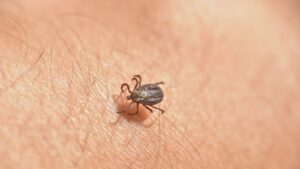
Ticks are mainly an edge problem, so the edges are where the work has to happen.
Their life cycle runs egg, larva, nymph, and adult, and nymphs are tiny enough to sneak by you and your pets.
Leaf litter, brush, and the lawn-to-woods border hold moisture after rain, and that moisture helps ticks survive.
When I walk a yard, I’m looking for the travel lanes first, because that’s where ticks stack up.
For tick-heavy yards, start with our Tick Control service and protect the perimeter on purpose.
If you’re in Merrimac, MA, wet summers can light up the yard near Lake Attitash, Merrimac Town Forest, and Carey Park.
What I do on a typical visit
On a typical visit, I focus on the places mosquitoes and ticks actually live, not the places we wish they lived.
That means I treat the edges, the shade, and the repeat offenders that keep refilling after rain.
When I walk a yard, I’m looking for standing water, damp pockets, and dense resting cover.
I check first for containers, tarps, toys, and trouble areas around gutters and downspouts.
Next, I target resting zones like shrub lines, wood edges, and under-deck shade so the application lands where adults spend their day.
I also focus on perimeter areas for ticks, because the lawn edge is where people and pets pick them up.
If the property needs it, I recommend adding breeding-site work through Mosquito Egg & Larvae Control so we’re not only chasing adults.
That’s the difference between “spray and hope” and a real mosquito spraying service that follows a plan.
We can also support commercial mosquito control when a property needs the same steady approach.
For homeowners who want the full picture, I point them to our Mosquito & Tick Control program so the schedule and options are clear.
Simple homeowner moves that actually help after rain
You can cut pressure after rain by removing water fast, reducing shade hiding spots, and keeping edges cleaner.
These moves won’t replace a pro plan in tough yards, but they make every visit work better.
Dump the water within 48 hours
Empty anything that holds water, and flip or cover items that keep refilling.
Refresh birdbaths and drain tarps so water can’t sit and warm up.
Help the yard dry out faster
Clear leaves and grit from gutters so water flows instead of pooling.
Trim back thick shrubs near patios so mosquitoes have fewer resting spots close to people.
Be honest about water you can’t fix
Some yards have low areas or nearby wetlands that keep staying wet, and that’s not a personal failure.
That’s where consistent scheduling becomes the best mosquito treatment for yard comfort, because you stay ahead of the next hatch.
Answer Block: The best homeowner move after rain is simple: remove standing water fast and make the yard dry out sooner. Dump containers, fix low spots that puddle, and keep gutters flowing. Reduce thick shade where mosquitoes rest, especially near patios and play areas. Those steps lower the next hatch and help barrier work last longer.
If you’re in Groveland, MA, rain can keep yards feeling buggy near Veasey Memorial Park, the Groveland Community Trail, and Crane Pond.
That’s the kind of setup where one wet week can make the whole season feel different.
Calm, steady control wins there, because you’re managing a repeating hatch pattern.
Safety and how we apply treatments responsibly
We apply treatments responsibly by following label directions, targeting the right areas, and keeping you informed about what’s happening in your yard.
Kids and pets should stay inside during application and until treated surfaces are fully dry, because that’s the simplest safety rule to follow.
If you have gardens, water features, or special concerns, tell me before we treat so we can make smart choices.
For public guidance, I like the CDC overview on mosquitoes and prevention and the CDC tick prevention tips.
Repellent choices are easier when you use the EPA tool to find the right repellent, and local risk info is covered on Massachusetts mosquito-borne disease resources.
FAQ
These are the real questions homeowners ask me after rain, and the answers I give in plain English.
Q: Why are mosquitoes worse after it rains?
A: Rain creates new standing water, which gives mosquitoes new places to lay eggs and hatch. Humidity after storms also helps adult mosquitoes survive longer and bite more.
Details:
Small puddles, toys, tarps, and plant saucers can all become breeding zones. Warm weather after rain speeds the life cycle. Consistent timing keeps the yard from refilling.
Q: How long after rain do mosquitoes hatch and start biting?
A: In warm weather, mosquito eggs can hatch into larvae within a day or two after water shows up. Biting adults can appear about a week later, sometimes sooner, depending on conditions.
Details:
That timing is why a storm can feel like it “created” mosquitoes out of nowhere. Standing water that lasts several days is the real driver. Breaking that cycle is the long-term win.
Q: Can mosquitoes breed in wet grass or muddy spots?
A: Mosquitoes need standing water, not just wet ground, but muddy low spots often hold shallow pools that count. If you can see water sitting, mosquitoes can use it.
Details:
Low areas that puddle after storms are a common source. Ruts and compacted soil keep water from soaking in. Fixing those areas helps any mosquito barrier plan work better.
Q: Does rain wash away a mosquito barrier treatment?
A: Rain doesn’t automatically erase a treatment if it had time to dry on foliage. Heavy weather and fast plant growth can shorten the comfort window on some properties.
Details:
Dry time matters, so application timing is important. Repeated storms can increase breeding, which can make it feel like the product “failed.” Staying on schedule keeps control steadier.
Q: Why do I have mosquitoes when I don’t see any standing water?
A: Hidden water is common, and mosquitoes can also fly in from nearby breeding areas you don’t control. Shaded resting zones on your property can hold adults even when the source is off-site.
Details:
I often find water in places homeowners never think to check. Trouble areas around gutters, tarps, and low spots show up a lot. A mosquito exterminator plan lowers pressure where you actually live.
Q: Do mosquitoes come out in the rain or only after it stops?
A: Most mosquitoes avoid heavy rain and wait it out in sheltered resting spots. Activity usually spikes after the storm when you have standing water and humid air.
Details:
That’s why you may feel a jump the next evening, not during the downpour. Calm, warm, humid conditions are ideal for biting. Reducing resting habitat cuts those spikes.
Q: Are ticks worse after rain, and should I treat for both?
A: Ticks don’t breed in water, but damp edges and leaf litter help them survive and stay active. Treating for both makes sense when your property has wooded borders, brush, and pet traffic.
Details:
Edge zones are where ticks stack up and where people pick them up. A tick-focused perimeter plan complements mosquito work. That combo is why many homeowners choose mosquito and tick control together.
When rain keeps repeating the problem, the goal is simple: make your yard a harder place to breed and a harder place to hide.
That’s when the whole season feels different, even if the weather keeps doing what it does in New England.
It’s More Fun Outside”! with Mosquito Enemy.
Prefer to talk to a real person?
Call us at 888-229-0095 and we’ll get you setup
email: jeff@mosquitoenemy.com
We service Essex County and the northern half of Middlesex County MA, plus Rockingham County and Hillsborough County (Pelham) NH.