
I’m Jeff, your local pest control guy.
If you’re shopping for a tick control service, you’re not being dramatic.
You’re trying to protect your people, your pets, and your outside time.
In West Newbury, MA, it can start with a Saturday at Pipestave Hill and Mill Pond, a quiet loop at Withers Conservation Area, or a walk through Artichoke River Woods.
Those places are the good part of living here.
Edges, shade, and wildlife traffic are the part most folks forget.
That’s where ticks make their living.
If you want the short version of what we do, start with our Tick Control program and then match the timing to your property.
Quick Answer
Around Massachusetts and New Hampshire, tick activity usually ramps up in April and stays a concern into October.
Late May through July is often the roughest stretch because tiny nymph ticks are active and easy to miss. September and October can bring another push when adult ticks get moving again. Mild winter days above freezing can still mean you find one on a dog.
Tick control service timing: when tick season starts and ends
For most yards in MA and NH, tick season starts in spring and fades out in fall.
April is when I start hearing the first “We found a tick” calls, and October is when many families finally exhale.
Warm afternoons wake ticks up.
Humid shade keeps them comfortable.
Results vary by property, so the goal is steady reduction, not a promise that nature will quit.
Answer Block: A smart tick control service plan in MA and NH usually runs April through October, with the heaviest risk often late May through July when nymph ticks are out and hard to see. September and October can bring another bump as adult ticks move again. Mild winter warm spells can still trigger activity along sheltered edges.
When I walk a yard, I’m looking for the edge first.
Here’s what I check first: stone walls, woods lines, groundcover beds, and the paths your dog runs every day.
Tick control service: what months are ticks most active?
Late spring into early summer is the month range that worries me most.
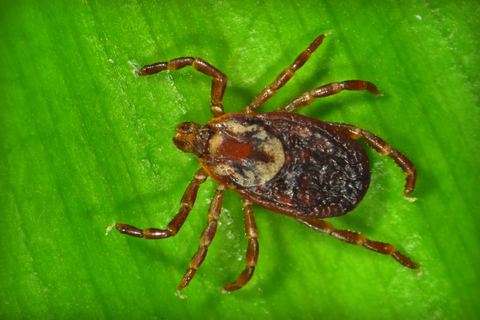
Nymphs are the reason, and “nymph” just means a teenage tick that’s tiny.
Small size makes it easy to miss during a quick check.
Fall matters too, because adult ticks can stay active when the air cools down.
Early spring
Warm days in April and early May can flip the switch.
Leaf litter and shaded groundcover hold moisture, so ticks can wait longer right where you walk.
Late spring through mid-summer
Nymph season is why lyme disease tick prevention gets real in June.
That’s also why the best tick treatment for yard comfort is usually a plan, not a one-time spray.
In Newburyport, MA, that pressure can build fast around Maudslay State Park, the Newburyport Waterfront Park boardwalk, and the Custom House Maritime Museum.
Trail edges and brush lines are where most bites begin.
A focused tick spray service belongs on those borders, not on the sunny middle of your lawn.
Many homeowners call that border work a tick barrier spray, and that’s a good way to think about it.
Late summer
Some properties feel calmer in August when parts of the yard dry out.
Moist shade still holds risk, especially where woods or irrigation keep the ground damp.
Fall
Adult ticks can stay active in September and October.
Leaf cleanup and dog walks are common times for surprise finds.
Tick life cycle and why edge zones matter
Ticks don’t spread evenly across a yard.
Edges are the hot spots because wildlife travels there and humidity stays higher.
The tick life cycle has four stages: egg, larva, nymph, and adult.
Blood meals are how a tick grows to the next stage, and animals like mice and deer help carry ticks around.
Most problem yards have one thing in common: a cool, damp border that never really dries out.
A good tick yard treatment hits that border and leaves low-risk areas alone.
If you’ve ever searched tick control near me, ask one question.
Do they target edges, or do they blanket everything the same way?
That edge focus is the heart of deer tick control on New England properties.
Why ticks keep showing up after you mow
Mowing helps, but it doesn’t erase the edge habitat.
Ticks love shade, leaf litter, and places where small animals hide.
That is why “my lawn is short” can still end with a tick on the dog.
If you’re wondering how to get rid of ticks in yard areas that keep producing them, you start at the border.
Then you stay consistent, because wildlife can re-seed your yard any day of the week.
That consistency is what makes a tick control service feel worth it over a whole season.
Mosquito life cycle and why consistency matters
Mosquito season overlaps tick season, and mosquito biology is why comfort can disappear after one warm rain.
Eggs turn into larvae, larvae turn into pupae, and adults show up fast when water sits.
That cycle is why one visit rarely feels like a whole-season answer.
A steady mosquito and tick control plan stays ahead of the next hatch instead of reacting after bites return.
Repeat timing is the backbone of a mosquito tick yard treatment plan that holds up when the weather changes.
Resting zones vs breeding zones
Mosquitoes have two “home bases” in a yard, and both matter.
Breeding zones are the water spots where eggs and larvae develop.
Resting zones are the cool leaves and shaded edges where adults hide before they bite.
When breeding water can’t be dumped or drained, adding Mosquito Egg & Larvae Control can help steady your yard after rain.
That add-on pairs well with a mosquito tick barrier treatment plan because it reduces the refill pressure.
Why mosquitoes and ticks come back
Nature keeps refilling the problem from nearby sources.
Mosquitoes can fly in and hatch again.
Ticks can ride in on deer, mice, or your own dog.
Neighbors and bordering woods matter too, because you can’t control every breeding puddle or wildlife path.
That’s why I talk about reduction and consistency instead of guarantees.
In Amesbury, MA, that reality shows up around Lowell’s Boat Shop, the Amesbury Riverwalk, and Lake Gardner.
Water and woods make outdoor life beautiful.
Edges and shade can also keep pressure steady if you don’t have a plan.
Simple homeowner moves that actually help
You can lower tick numbers with a few simple yard moves.
Brush trimming and leaf-litter cleanup along the border removes the “waiting room” ticks love.
Short grass helps, but the border is still the main driver on many properties.
Outdoor clutter matters too, because brush piles and stacked wood shelter small animals.
Standing water is the mosquito trigger, so dumping what you can each week still matters.
Keeping gutters flowing helps because clogged runs can hold water for days after rain.
Answer Block: Start with the border by trimming brush, clearing leaf litter, and keeping grass shorter where lawn meets woods or stone walls. Dump standing water weekly and keep gutters draining so mosquitoes breed less. Pair those steps with a consistent tick control service schedule through peak months because wildlife can bring ticks back anytime.
Think of that as a simple tick prevention yard plan you can keep up with.
Dog owners also need a plan that supports tick control for dogs yard routines, because pets run the edges first.
A pet safe tick yard treatment plan depends on correct application and simple dry-time rules.
What I do on a typical visit
On a typical visit, I treat the zones that actually produce bites.
First, I walk the property and map the edge lanes, shaded pockets, and pet paths you use every day.
Next, I apply a focused tick spraying service to border areas instead of blanketing the sunny center of the yard.
After that, I handle mosquito pressure by treating resting zones and checking for breeding spots that keep refilling.
Before I leave, I point out practical fixes, like moving play areas away from brush lines or cleaning out gutters so water stops sitting.
Some homeowners still call this a tick exterminator visit, and I get it.
Real control comes from zone focus and repeat timing, not a mystery spray.
Safety and how we apply treatments responsibly
Safe work starts with the label and the plan.
The label is the rulebook, and we follow it every time. EPA guidance on reading pesticide labels
Personal prevention still matters, so tick checks and smart habits stay part of the routine. CDC tick bite prevention for families
State and local guidance helps too, especially for our region. Massachusetts tick-borne disease prevention guidance
New Hampshire has clear yard management guidance that matches what we see outside. UNH Extension tick biology and yard management
If you’re comparing a tick control service, ask how they handle drift, weather limits, and dry-time rules.
When you’re searching tick exterminator near me, ask whether they explain the edge zones in plain English.
FAQ
Q: When should I start tick control service in Massachusetts or New Hampshire?
A: Start early, usually in April, so you’re not chasing ticks once peak season hits. A consistent schedule through late spring and summer is where most yards see the best reduction.
Details:
Warm spells can wake ticks up sooner than expected. Shady border habitat can keep them active longer. Results vary by property and surrounding woods.
Q: What months are ticks worst in MA and NH?
A: Late May through July is often the toughest stretch because nymph ticks are active and hard to see. September and October can also be busy when adult ticks move again.
Details:
Humidity and shade make a yard feel worse. Border lanes usually drive most bites. Tick checks still matter through fall.
Q: Are ticks still active after the first frost?
A: Yes, a frost can slow activity, but it does not reliably end it. Mild days above freezing can still bring movement, especially for adult ticks.
Details:
Leaf litter can shelter ticks from cold snaps. Fall yard work is a common time for surprise finds. Staying aware into late season is smart.
Q: How long does a tick spray service last?
A: Most yard treatments last for weeks, not the whole season. Weather, sunlight, rain, and yard conditions change how long a barrier holds up.
Details:
High-risk yards near woods often need tighter timing. A plan works better than single visits. Your provider should explain the schedule clearly.
Q: Is tick control safe for kids and dogs in the yard?
A: Safety depends on product choice, correct application, and following label directions every time. Dry-time rules are a simple way to keep kids and pets off treated areas until it’s safe to re-enter.
Details:
Targeted edge work also limits unnecessary exposure. Tell your provider about sensitivities up front. The goal is responsible treatment, not over-application.
Q: What is the best tick treatment for yard edges?
A: Edge-focused treatment is usually the most effective because ticks wait along borders. Stone walls, brush, and leaf litter are common hot spots that deserve priority.
Details:
Cleaning leaf litter helps reduce shelter and moisture. Trimming brush increases sun and airflow. Pairing cleanup with treatment improves results.
Q: Can I do DIY tick prevention yard steps and still need a pro?
A: Yes, because cleanup reduces habitat but does not stop wildlife from bringing ticks back. A professional tick control service helps reduce pressure in the exact zones you can’t fully control on your own.
Details:
DIY steps work best when they support a schedule. Pet paths and play edges need extra focus. Results vary with surrounding woods and wildlife.
How to think about your property near the end of the season
Late season is when people stop paying attention, and that’s when surprise ticks show up.
Consistency through fall is how many families avoid the “We thought it was over” moment.
In Newbury, MA, that can hit around Spencer-Peirce-Little Farm, Old Town Hill, and Crane Pond Wildlife Management Area.
Marsh edges and wooded borders can keep the season feeling longer than expected.
Dogs don’t read signs, and kids don’t stay in a perfect straight line.
That’s why I care so much about the border zones where feet and paws drift naturally.
In Salisbury, MA, outdoor time at Salisbury Beach State Reservation, Blue Ocean Music Hall, and the Salisbury Rail Trail is why people fight for their outside time in the first place.
Salt marsh edges and wildlife corridors can also keep pressure steady even when the lawn looks clean.
Prefer to talk to a real person?
Call us at 888-229-0095 and we’ll get you setup
email: jeff@mosquitoenemy.com
We service Essex County and the northern half of Middlesex County MA, plus Rockingham County and Hillsborough County (Pelham) NH.