
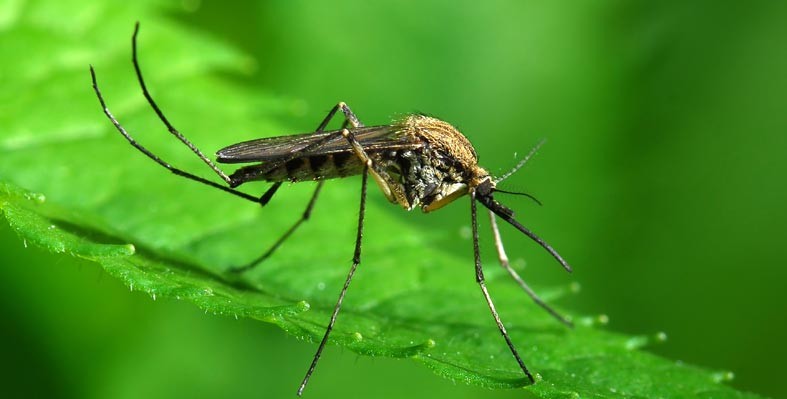
I’m Jeff, your local pest control guy.
If you’re standing in your yard wondering why mosquitoes feel different from week to week, you’re not imagining it.
Some evenings bring a light buzz and a couple bites.
Other nights feel like you can’t grill, play, or even sit still without getting chased back inside.
That swing happens for a bunch of reasons, and one of the biggest is simple.
“Mosquitoes” isn’t one bug.
It’s a whole group of bugs.
In Newburyport, MA, families want the same thing every summer.
People want an easy night outside.
Maybe that means a walk through Maudslay State Park.
Sometimes it’s time at Waterfront Park.
Other days it’s a ride along the Clipper City Rail Trail.
When mosquitoes get heavy, that normal summer life gets cut in half.
So let’s make this simple and useful.
How many mosquito species are in the United States?
Most homeowners just want the straight answer.
Across the United States, there are over 200 mosquito species when you include territories and how species get counted.
The American Mosquito Control Association commonly cites 176 recognized mosquito species in the United States.
Those numbers don’t really fight each other.
They answer the question in slightly different ways.
Either way, the message is the same.
A lot of different mosquitoes exist, and they don’t all act the same.
Why the species number matters in a real backyard
This is what actually matters in your yard.
Different mosquito species can mean different bite times, different breeding spots, and different “waves” of activity.
One type bites more at dusk.
Another type bites in the middle of the day while you’re mowing, gardening, or watching the kids.
One species comes from wetlands you don’t control.
Another species comes from a tiny water source on your own property.
That’s why mosquito control can’t be a guessing game.
Results show up when your plan matches mosquito behavior.
How many mosquito species are in Massachusetts and New Hampshire?
Massachusetts has about 52 mosquito species.
New Hampshire has about 48 mosquito species.
Those numbers sound big, but you don’t need to fear them.
You just need to respect the fact that New England packs a lot of different habitats into a small area.
Marsh.
Woods edge.
Low wet spots.
Neighborhood backyards full of little water-holding “stuff.”
Each habitat supports different mosquitoes.
The mosquito life cycle, in plain English
Every mosquito species still follows the same four-stage life cycle.
Once you understand this, mosquito control starts to make sense.
Eggs
Female mosquitoes lay eggs in water or in damp places that flood later.
Some eggs hatch fast.
Other eggs wait until the next rain, tide, or flood event.
That waiting game explains why mosquitoes can feel like they “came out of nowhere.”
Larvae
Larvae live in water.
They feed and grow there.
Remove the water and you remove the nursery.
Stop larvae and you reduce what shows up later as adults.
Pupae
Pupae float near the surface and turn into adults.
They do not feed during that stage.
That one fact matters a lot, because you can’t target pupae the same way you target feeding stages.
Adults
Adult female mosquitoes bite for a blood meal so they can make eggs.
During the day, adult mosquitoes rest in shade.
They hide under leaves, under decks, and inside thick landscaping.
That resting behavior explains why “spraying the air” fails.
What we can control, and what we can’t
Here’s how I explain this to homeowners.
We control mosquitoes best when we target three of the four life stages: eggs, larvae, and adults.
Pupae cause the biggest limitation because they don’t feed.
No honest program pretends otherwise.
A smart plan works with biology instead of fighting it.
The mosquito groups that drive most complaints in MA & NH
You don’t need a science degree to win this fight.
You just need the patterns.
Container mosquitoes
Container breeders use small water sources around homes.
Think plant saucers, toys, tarps, buckets, wheelbarrows, birdbaths, and anything that holds water long enough.
Many of these bite when families are outside doing normal life, including daytime.
Stagnant-water mosquitoes
Some mosquitoes like water that sits around for a while.
Catch basins, low spots, and shaded puddles can produce mosquitoes week after week.
Public health also talks more about these types when West Nile virus comes up.
Marsh and floodwater mosquitoes
Coastal marshes and flood zones can produce waves after tides and heavy rain.
Eggs wait in the soil.
Water floods the habitat.
Adults show up fast.
Why mosquitoes can change fast from week to week in Amesbury, MA
Homeowners in Amesbury, MA describe this perfectly.
Families cool off at Lake Gardner.
Neighbors walk the Amesbury Riverwalk.
Locals spread out across Woodsom Farm when the weather finally breaks.
Then the next week comes and the bites feel worse.
What changes after a warm rain
Warm rain plus standing water creates a quick hatch cycle.
Container mosquitoes only need a small water source to get rolling.
Floodwater mosquitoes spike when rain fills the right low spots.
Why small water sources matter more than people think
A tiny puddle in a tarp fold can produce more mosquitoes than you’d guess.
Even a clogged corner by a downspout can stay wet long enough to keep the cycle going.
Weekly habits beat panic sprays every time.
The health side, without fear
Most families call me because they are tired of getting eaten alive.
Health questions still matter, and you deserve calm answers.
What matters most locally in MA and NH
In our region, public health watches West Nile virus and Eastern equine encephalitis most closely during mosquito season.
Risk stays low for most people, but risk never hits zero.
That’s why health departments trap and test mosquitoes through the season.
What about Zika, dengue, and chikungunya?
Those names come up online a lot.
For our area, they usually connect to travel more than local backyard risk.
Either way, fewer bites is a good goal for comfort and peace of mind.
If you want reliable public sources, start here:
- CDC information on West Nile virus
- CDC information on Eastern equine encephalitis
- Massachusetts mosquito-borne disease information
How we keep treatments family-safe around kids and pets
Safety is not a slogan.
Good work stays targeted, follows label directions, and respects how families use a yard.
What our technicians do
Our technicians apply products where mosquitoes rest, not by “fogging the air” for show.
We focus on shaded resting zones, thick landscaping, and the edges that hold mosquito pressure.
To protect pollinators, we avoid flowering plants when pollinators are active.
Honey bees matter, so we don’t treat honey bee hives.
What you do on treatment day
Keep kids and pets inside during the application.
Head back out once everything dries.
Most days, dry time lands around 20–30 minutes, and weather can change that.
Why one spray does not solve a season
People ask this in a hundred different ways.
“Jeff, why do I still have mosquitoes after spraying?”
New mosquitoes hatch fast
Warm weather shortens the time from egg to adult.
That’s why a yard can feel different again in about a week.
More mosquitoes can fly in
Your property line doesn’t stop insects.
Nearby breeding areas can refill your yard even when you do a lot right.
Shade creates a mosquito “living room”
Mosquitoes rest more than they fly.
Thick shrubs, groundcover, woods edges, and the underside of decks give them the cover they want.
Target those zones and results improve.
Why coastal mosquito patterns can hit hard in Gloucester, MA
Homeowners in Gloucester, MA see the swing all the time.
Beach days land at Good Harbor Beach.
Sunset walks happen at Stage Fort Park.
Trail time starts in Ravenswood Park when the air finally cools.
When tides and rain line up
Coastal wind helps on some nights.
Tides and rain can overwhelm that advantage on other weeks.
Salt-marsh habitat can produce fast spikes after the right flooding event.
A steady program handles those swings better than one big “hit.”
Weekly steps that help without turning this into a second job
You don’t need to become a mosquito expert.
A short routine is enough.
Dump standing water
Empty anything that holds water.
Flip over items you can’t store inside.
Refresh birdbaths and pet bowls regularly.
Open up shade and airflow
Trim overgrown shrubs.
Thin dense groundcover that stays wet and still.
Let air move through the yard, because mosquitoes hate wind.
Handle hidden water sources
Clogged gutters can hold water and organic debris long enough to support mosquito activity.
Cleaning them also helps drainage, which helps the yard dry out faster after storms.
What a professional program changes for your family
DIY steps help.
Professional steps change the whole season.
Adult control in the right zones
We focus on the shaded resting zones where mosquitoes spend their day.
That approach cuts down bites where your family sits and plays.
Egg and larvae control when the yard needs it
Some properties hold water that homeowners can’t eliminate completely.
That’s when our Mosquito Egg & Larvae Control program helps as an add-on with targeted breeding-site work.
Those visits reduce the next wave by stopping more mosquitoes before they ever turn into biting adults.
Tick control for the same outdoor lifestyle
Ticks ride along with the same summer habits that make life outside fun.
If your yard has woods edge, brush lines, or pets, use a plan that focuses on edge zones and shady borders.
Our Tick Control service explains that approach in plain English.
For homeowners who want the full yard plan together, start with our Mosquito & Tick Control service.
Why Seacoast mosquito waves can feel sudden in Hampton, NH
Families in Hampton, NH know this story.
Warm weekends fill Hampton Beach State Park.
Kids love the touch tanks at Explore the Ocean World.
Nature lovers watch the edges of the Hampton salt marsh when the light turns golden.
Then a rain event hits and the yard changes fast.
Marsh-driven mosquitoes can show up in heavier waves because the habitat supports it.
Consistency keeps those swings from owning your summer.
Why “nice yards” can still get crushed in Andover, MA
Homeowners in Andover, MA say this all the time.
Families swim at Pomps Pond.
Hikers use Harold Parker State Forest for miles of trails.
View seekers head to Ward Reservation for a hilltop walk.
Those places look beautiful.
They also show you the mix that mosquitoes and ticks love: water, shade, and edges.
So when someone tells me their yard looks great and they still get hammered, I believe them.
Then we look for the real drivers: moisture, shade, hidden breeding spots, and edge zones.
Once you understand the driver, the fix becomes practical.
So what should a homeowner do with the “species” information?
You don’t need to memorize names.
Knowing that different mosquitoes behave differently is the point.
That knowledge helps you pick a plan that makes sense.
Weekly water control keeps container breeders from owning your yard.
Targeted barrier work cuts down adult resting pressure where your family spends time.
Breeding-site work reduces new waves when standing water can’t be eliminated.
Tick edge work adds peace of mind in the same season.
When those pieces work together, the yard starts to feel normal again.
FAQ
Q: Will rain wash away my mosquito treatment?
A: Light rain after the application dries usually won’t erase the results. Heavy rain right away can cut performance, so timing and dry time matter.
Details: Forecast checks help avoid wasted applications. Dry-time guidance keeps the product where it needs to stay. A consistent schedule smooths out weather weeks.
Q: How often should a mosquito barrier treatment be done?
A: Most programs repeat through the season to stay ahead of the next hatch. The best schedule depends on your yard, your shade, and the mosquito pressure you feel.
Details: Some programs run on a 21-day rhythm. Certain organic-style plans run tighter cycles. A good provider matches the schedule to the property.
Q: Is mosquito spraying safe for kids and pets?
A: Keep kids and pets inside during the application and come back out when everything dries. Licensed technicians follow label directions and apply products in targeted areas to keep the process family-friendly.
Details: Dry time often lands around 20–30 minutes. Targeted work avoids showy “air fogging.” Clear timing makes yard use simple.
Q: Why do I still have mosquitoes after a treatment?
A: New mosquitoes can hatch quickly during warm weeks, so you may feel a new wave in about a week. Mosquitoes can also fly in from nearby breeding areas even when your yard looks clean.
Details: Consistent scheduling keeps pressure down. Breeding-site control helps reduce the next wave. Shade management improves results between visits.
Q: Do you treat standing water or only the landscaping?
A: Adult resting-zone work and breeding-site work solve different problems, and many yards need both. When water sources can’t be removed, targeted larvae work helps reduce what turns into biting adults.
Details: Remove water when you can. Treat breeding areas when you can’t. Combining tools gives better season-long control.
Q: Why are mosquitoes worse in my yard than my neighbor’s?
A: Shade, moisture, and wind breaks create micro-habitats, and mosquitoes follow those conditions more than property lines. A yard with thicker shrubs, wetter corners, or more hidden water usually feels worse.
Details: One low wet spot can seed a lot of activity. One dense hedge can become a resting zone. Small differences add up fast in warm weather.
Q: Should I do tick control even if I mainly notice mosquitoes?
A: If your yard has woods edge, brush, or pets, tick work often makes sense because risk stays hidden until it doesn’t. A combined plan helps families enjoy the yard with fewer worries.
Details: Tick work focuses on edges and shaded borders. That target differs from most mosquito resting zones. One plan can cover both problems in the same season.
Prefer to talk to a real person?
Call us at 888-229-0095 and we’ll get you setup
email: jeff@mosquitoenemy.com
“It’s More Fun Outside”! with Mosquito Enemy.