
A mosquito exterminator explains it in plain English
Homeowners in Georgetown, MA ask me this every summer, especially around Pentucket Pond, the Georgetown Peabody Library, and Black Swan Country Club.
I’m Jeff Emerson, and I run Mosquito Enemy, so yes, I’m the guy you call when you want a mosquito exterminator who explains things straight.
Doubts make sense, because you’re paying for comfort and you want to know it’s real.
Most yards can feel a lot better with the right mosquito yard treatment, but results vary by property and the plan has to match what’s actually happening outside.
Quick Answer
Yes, mosquito yard treatments really can work when they are applied correctly and kept on schedule.
Most properties feel fewer bites within 24–48 hours after a professional mosquito spray service.
Some mosquitoes will still show up, because new ones hatch and others fly in from nearby areas.
Best results come from adult control now, breeding control next, and visits that stay ahead of the next wave.
Mosquito yard treatments work when a barrier product is applied to the shady leaves and edges where adult mosquitoes rest. You’ll usually feel fewer bites within 1–2 days. New mosquitoes can still hatch or fly in, so the best results come from repeat visits plus breeding control.
Do mosquito yard treatments really work when a mosquito exterminator does them?
Yes, they work best when the treatment is targeted and repeated as a season plan.
One spray can help, but it rarely holds for long if your yard keeps producing mosquitoes or getting reloaded from outside.
Real backyard mosquito control comes from doing the same smart steps on a schedule, not from chasing the problem after it’s already back.
When I walk a yard, I’m not looking at the open grass first.
Shade tells the story, because mosquitoes hide in calm, damp, protected spots during the day.
Here’s what I check first: thick shrubs, low branches, under-deck shade, and any corner that stays wet after rain.
What a mosquito exterminator is really treating
A good barrier treatment targets where adult mosquitoes rest, not the middle of the lawn.
Many people picture a cloud in the air, but lasting control comes from treating surfaces mosquitoes land on.
Leaves, groundcover, and shaded edges matter because that is where mosquitoes sit still long enough to pick up the product.
Most problem yards have one thing in common: too many “cool, shady resting rooms” close to where people hang out.
Resting zones vs breeding zones
Resting zones are shady places where adult mosquitoes hide between bites, while breeding zones are wet places where young mosquitoes grow.
Bushes, low trees, ivy, tall weeds, and under-deck shade are all known resting zones.
Breeding zones are anything that holds water, even for a short time.
Adult control lowers bites right now.
Egg-and-larvae control lowers bites later, because fewer new adults are born.
That pairing is why I like a full plan that combines our barrier program with Mosquito Egg & Larvae Control when breeding pressure is high.
How fast you should feel a difference after mosquito spraying service
Most families notice fewer bites in 24–48 hours after a quality mosquito spraying service.
The first day is a “settling” window, because mosquitoes have to land on treated surfaces for the product to do its job.
Some adults drop fast.
Other adults fade out over the next day as they keep landing and resting in the treated shade.
Coverage matters more than speed, because mosquitoes don’t play in open sunlight the way people do.
If you’re standing in your yard wondering why you still got bit the same night, I usually find one of two things: missed shade pockets or heavy outside pressure.
Dry time matters too, because the product needs time to set on leaves and surfaces.
Why mosquitoes come back after a mosquito yard treatment
Mosquitoes come back when new adults hatch or when adults fly in from nearby areas.
Fresh hatches happen fast in warm weather, especially after rain fills small water pockets.
Fly-ins happen at dusk, and they often show up along the edges first.
Dense shade can also shelter adults all day if it is not treated well.
Neighbor pressure is real, and you can’t control what happens across the street.
That’s why I aim for a comfortable yard, not a fake promise of “zero mosquitoes forever.”
Homeowners in Groveland, MA see this pattern a lot near Veasey Memorial Park, Johnson’s Pond, and the Groveland Community Trail.
Big water and thick edges can keep the mosquito population steady even when you are doing things right.
Consistency is what turns a good week into a good season.
Mosquito life cycle and why consistency matters
Mosquitoes rebuild quickly because their life cycle moves fast in heat and water.
There are four stages: egg, larva, pupa, and adult.
Eggs get laid in water or on damp surfaces that flood later.
Larvae live in water and feed there.
Pupae also live in water, but they do not feed, which makes that stage harder to control.
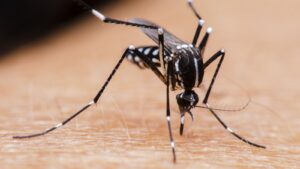
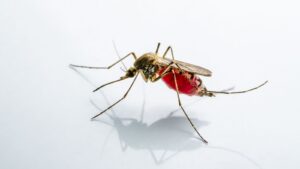
Adults fly, bite, and turn your evening into a swatting contest.
Most mosquito programs only focus on adults.
That approach can help fast, but it leaves the next hatch wide open if breeding water is still active.
My goal is simple: keep adult numbers down while also lowering what’s coming next.
Homeowners in Merrimac, MA often feel the difference once we stay ahead of hatch cycles near Beaver Pond Conservation Area, Merrimac Town Forest, and Lake Attitash.
More shade and more moisture usually means tighter timing is needed.
Better control comes from staying in front of the life cycle instead of reacting after bites spike.
How often a mosquito control service should treat your yard
Most yards do best with a consistent schedule because mosquitoes keep hatching all summer.
A monthly plan can be too slow during peak weeks, so timing should match your yard pressure.
Many barrier programs are set around a three-week rhythm in season, because that helps keep treated surfaces working.
Botanical or organic programs are often tighter because natural oils break down faster in sun and weather.
When I set a schedule, I’m thinking about shade density, water pressure, and how the property grows in July and August.
People are paying for repeat results, not a single good day.
That’s why I point most families to our full Mosquito & Tick Control program details so the options feel clear and not salesy.
Does rain ruin a mosquito barrier treatment?
No, rain does not automatically erase a treatment once it has dried properly.
Heavy storms can shorten how long a barrier feels strong on some properties, especially when new growth creates fresh hiding spots.
Rain also creates more breeding pockets, so mosquito pressure can rise even if your last application still has some bite left.
Smart scheduling matters here, because it keeps the yard from swinging from “good” to “bad” all summer.
If you’re standing in your yard wondering why mosquitoes flared up after a wet week, the fix is usually tighter timing plus breeding control.
Ticks are different: edge zones matter
Tick control works best when you focus on the edge zones where ticks actually live.
Mosquitoes fly.
Ticks don’t.
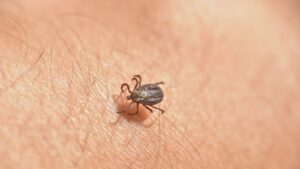
Ticks wait in leaf litter, tall grass, stone walls, and the lawn-to-woods line.
Nymph ticks matter most because they are tiny and easy to miss.
Hosts move ticks around, so mice, chipmunks, and deer can raise pressure along your borders.
When I treat for ticks, I’m looking for those transitions first, not the center of the yard.
That’s also why our tick control treatments focus on edges, paths, and the places kids and pets brush against.
Homeowners in Newbury, MA often notice tick pressure most along natural borders near Parker River National Wildlife Refuge, Old Town Hill, and Plum Island.
Edge-zone work helps because it puts control where contact happens.
Daily tick checks still matter, because no treatment replaces smart habits.
What I do on a typical visit
I treat the spots that drive bites and tick contact, then I leave you with simple steps that help the results hold.
When I walk a yard, I’m looking for shade pockets, damp corners, and the exact routes people and pets use.
I start by checking the “resting zones” for mosquitoes, because that is where adult mosquitoes hide during the day.
Next, I look for breeding risk, like items that hold water or low areas that stay wet after rain.
Then I treat the targeted surfaces, focusing on leaves, groundcover, and calm edges, because that is where a mosquito spray service actually earns its keep.
After that, I hit the tick zones, which usually means the lawn-to-woods line, leaf litter edges, and shaded border paths.
Most problem yards have one thing in common: the worst spots are not obvious until you walk the perimeter slowly.
I also note anything that changed since the last visit, like fast growth, new brush piles, or toys and tarps holding water.
Before I leave, I make sure you know the dry-time rule, because that is the practical safety line for families.
Answer Block: Ticks and mosquitoes need different targets. Mosquitoes rest in shade and breed in water. Ticks wait in leaf litter and along the lawn-to-woods edge. When I treat a yard, I focus on those zones, then I match the schedule to how fast pests rebuild.
Simple homeowner moves that actually help
Yes, you can make treatments work better with a few easy fixes at home.
Dump standing water you don’t need, because every container can become a nursery.
Flip buckets, toys, tarps, and wheelbarrows that hold rain.
Refresh birdbaths often during peak season.
Trim overgrowth that stays damp and still, because mosquitoes love protected cover.
Clogged gutters can quietly hold water after storms, so keeping them clean helps break the cycle.
If gutters overflow or stay packed with debris, our gutter cleaning service can take that water source off the table.
Small habit changes don’t replace professional control, but they do make a yard mosquito treatment feel steadier week to week.
Safety and how we apply treatments responsibly
Yes, mosquito and tick treatments can be done responsibly when products are used as directed and applied with care.
The label is the law.
Targeting matters because blanket spraying is not the goal.
Dry time matters because families need one clear rule that is easy to follow.
Kids and pets should stay inside during the application, then normal outdoor use can resume after treated areas are dry.
If you want public guidance that matches what I teach homeowners, these are solid reads: CDC overview of West Nile virus, CDC basics on Lyme disease, EPA guidance on an integrated mosquito control approach, and Massachusetts mosquito control and spraying guidance.
When I plan an application, I’m thinking about where pests live, how people use the yard, and how to avoid unnecessary exposure.
How do you tell if your mosquito yard treatment is working?
Comfort is the real measurement, and trends matter more than chasing a perfect zero.
Pick one spot you use a lot, like a patio chair or the steps off the deck.
Use the same time of day for a quick one-minute check, because dusk and early evening are when people notice the most pressure.
Notice whether mosquitoes find you as fast as they used to, and whether you can stay outside longer without constant swatting.
If bite pressure stays high after the settling window, something needs adjusting in the control plan.
Homeowners in West Newbury, MA often see the clearest change once the treatment matches the property around Riverbend Conservation Area, Pipestave Hill, and Mill Pond.
Extra shade, wet pockets, and strong outside pressure can all push a yard to need tighter timing.
If you tell me what you’re feeling at the same spot each week, I can usually pinpoint what’s missing fast.
FAQ
Q: How long does a mosquito yard treatment last?
A: Most barrier treatments are designed to last a few weeks, but weather and fast plant growth can shorten that window. A steady schedule keeps results from fading out between visits.
Details:
Sun, rain, and irrigation can all affect how long products hold on leaves and surfaces. Strong breeding pressure can also make it feel like the treatment “wore off” faster. Consistent visits and breeding control help smooth out those swings.
Q: How soon can my kids and pets go outside after a mosquito spray service?
A: Most families use a simple rule: stay inside during the application and go back out after treated areas are fully dry. Dry time can vary with weather, shade, and how heavy the foliage is.
Details:
Following label directions is the safest approach every time. Keeping toys, bowls, and outdoor pet items out of the way during treatment also helps. If you ever feel unsure, ask your technician what dry time looks like that day.
Q: Will a mosquito spraying service harm bees and other pollinators?
A: A responsible mosquito spraying service avoids direct application to blooms and focuses on shaded resting zones where mosquitoes hide. Targeted application and timing are the two biggest ways to reduce unnecessary pollinator exposure.
Details:
Pollinators spend time on flowers, not deep in shaded brush where adult mosquitoes rest. Smart routes and careful aim matter more than “spraying everything.” If you have flowering plants you’re concerned about, point them out before the visit.
Q: Should I mow before a mosquito control service comes?
A: Yes, mowing a day or two before service can help, but it is not required for every yard. Shorter grass can reduce hiding spots and makes it easier to spot wet pockets and clutter.
Details:
The main target is usually foliage and shaded edges, not the center of the lawn. Avoid mowing right after treatment so product has time to stay on the areas that were treated. Trimming heavy brush can also improve coverage in problem corners.
Q: Why do I still see mosquitoes after a yard mosquito treatment?
A: Fly-ins and fresh hatches can keep some activity going even when the treatment is doing its job. The goal is fewer bites and better comfort, not perfection.
Details:
Standing water can produce new adults fast in warm weather. Missed shade pockets can also leave a safe hiding spot in the yard. Adding breeding control and tightening coverage usually fixes the “they came right back” feeling.
Q: Can a mosquito exterminator help with ticks too?
A: Yes, but tick control needs a different strategy because ticks live in edge zones and do not fly. A combined plan works best when mosquito resting zones and tick border zones are both treated on purpose.
Details:
Tick pressure is usually highest along woods lines, leaf litter, and stone walls. Nymph ticks are tiny and easy to miss, so daily tick checks still matter. Ask what areas are treated for ticks, not just mosquitoes.
Q: What should I do if I’m still getting bitten after a mosquito yard treatment?
A: Give it 24–48 hours for the treatment to settle and do its work in the resting zones. If bites stay high after that window, the plan likely needs an adjustment in coverage, timing, or breeding control.
Details:
Hidden water, dense shade, and nearby pressure can all keep activity up. A good technician will walk the yard and explain what they see in plain English. Small changes in the plan can make a big difference in comfort.
If you want straight answers and a calm plan, that’s what I do every day.
Get Your Free Quote
Prefer to talk to a real person?
Call us at 888-229-0095 and we’ll get you setup
email: jeff@mosquitoenemy.com
We service Essex County and the northern half of Middlesex County MA, plus Rockingham County and Hillsborough County (Pelham) NH.