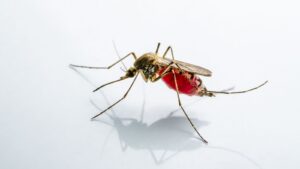

A mosquito exterminator’s spring timing guide
If you live in Georgetown, MA and you spend summer time near American Legion Park, Pentucket Pond, or Black Swan Country Club, you already know how fast mosquitoes can ruin a calm evening.
I’m Jeff Emerson, and I run Mosquito Enemy. As a mosquito exterminator, I don’t pick a random date on the calendar for your first treatment.
Warm nights and wet shade are what flip the switch. Starting early in spring helps prevent a big mosquito population from ever building up.
Quick Answer
Start your first mosquito yard treatment in spring, not peak summer. Schedule when the weather is steadily warming and nighttime temps stay around 50°F or higher.
Most yards do best with an April or May start, then steady follow-up visits. Waiting until you’re getting eaten alive usually means you’re already behind.
When should I call a mosquito exterminator to start treatments?
You should call a mosquito exterminator when the nights stay consistently mild, not when the bites are already bad. In most years, that means lining up your first visit for April or May.
A lot of homeowners tell me, “I’ll wait until June.” That’s the trap, because June is when the first big wave has already had time to hatch, hide, and lay more eggs.
Getting on the schedule early also helps your program stay consistent. A good mosquito spray service is about timing and follow-through.
Answer Block: The best time to start mosquito control is early spring, once nights stay around 50°F and your yard stays thawed and damp. That first visit knocks down early adults and targets hiding spots before the big hatch. Keep a steady schedule after that. Results vary by property, weather, and nearby habitat.
My mosquito exterminator rule of thumb for spring weather
I start thinking about treatments when you can open the windows at night and the yard still feels damp in the morning. That mix is when mosquitoes start moving and ticks start showing up along the edges.
Why spring timing matters more than most people think
Spring timing matters because mosquitoes multiply fast. Stopping the first round keeps the whole season calmer.
Here’s the simple mosquito life cycle: egg, larva, pupa, adult. Larvae live in water, so a clogged gutter or a forgotten bucket can turn into a hatch spot.
New mosquitoes keep showing up, so consistency matters. Wet cover nearby can also send “fly-ins” right back into your yard.
If you want a bigger jump on the season, I often talk with homeowners about pairing visits with mosquito egg and larvae control. That step is aimed at the “in the water” stages.
Early-mid season is when the difference shows up the most. In Topsfield, MA, that usually shows around Topsfield Fairgrounds, Bradley Palmer State Park, and the Parson Capen House when warm days stack up and shade stays wet.
Most problem yards have one thing in common: shade that stays damp after rain or irrigation. That is where mosquitoes rest, and that is where you get hit first.
When I walk a yard, I’m looking for the first places mosquitoes can hide and reset. Those spots are often closer than you think, right off the back steps.
Resting zones vs breeding zones in your yard
Resting zones are where adult mosquitoes hide, and breeding zones are where they are born. You need to address both for real backyard mosquito control.
A resting zone is shaded, still, and protected from wind. Under decks, thick shrubs, and tall grass at the border are common hiding places.
A breeding zone is any place water sits long enough for larvae to grow. Birdbaths, toys, tarps, low gutters, and low spots in the lawn all count.
Here’s what I check first: standing water, shade pockets, and the paths you use at dusk. That quick scan usually explains most mosquito yard treatment problems.
If you’re standing in your yard wondering how to get rid of mosquitoes in yard, start with water. Dump the small stuff, then fix the drainage or gutter issue that keeps refilling.
On the treatment side, we focus on resting zones with a targeted mosquito barrier treatment. That’s what most people mean by mosquito spraying service.
A mosquito fogging service can help for a party, but it’s short-lived. A barrier works longer because it sits on leaves and branches where mosquitoes land.
Where ticks fit in, and why edge zones matter
Ticks are an edge problem, so we treat the edges on purpose. My goal is to reduce ticks that wait in leaf litter and brush for a person or pet to walk by.
Tick life cycle is also simple: egg, larva, nymph, adult. Nymphs are tiny, so you can miss them and still get bit.
Brush lines, stone walls, and the transition from lawn to woods are what I call edge zones. That is where tick control matters most.
Homeowners often ask if mosquito control also handles ticks. Some overlap exists, but it is not the same plan, which is why we offer targeted tick control that focuses on those edge areas.
Answer Block: For ticks, focus on the edges where lawn meets woods, brush, or leaf litter. That’s where ticks wait for a host, and it’s where treatments do the most good. Keep grass cut, clear leaves from borders, and stay consistent with visits during the season. Results vary by property and wildlife pressure.
Mid-season is where the pattern gets clear on different properties. In North Reading, MA, I see a lot of yards with hidden shade pockets around Benevento Memorial Park, Clarke Park on Martin’s Pond, and Hillview Golf Course, which can make mosquitoes feel “back” even after a good visit.
New hatches don’t care that you sprayed three weeks ago. That is why a monthly mosquito service schedule is sometimes not enough for a wet, shady yard.
Most homes do better with repeat visits spaced to match the mosquito life cycle. That is how a mosquito control service stays ahead.
What I do on a typical visit
On a typical visit, we focus on the places mosquitoes and ticks actually live, not the middle of the lawn. The goal is steady control, applied the same careful way every time.
First, we walk the property edges and the shaded resting areas. Next, we treat foliage, low branches, and other surfaces where mosquitoes land.
Then we look at the hot spots that change week to week, like a kiddie pool, a tarp that sagged, or a gutter that started holding water. After that, we leave a clear notice so you know the visit is done.
When I walk a yard, I’m looking for what the family actually uses. A patio you sit on every night needs a different focus than a side yard nobody steps in.
If you ask me about the best mosquito treatment for yard, I’ll tell you the same thing every time. The best plan matches your yard, starts early, and stays consistent through the season.
If you want coverage for both pests, our mosquito and tick control service is built around repeat visits and careful coverage. That is what makes a yard mosquito treatment feel steady by summer.
We do residential mosquito control and commercial mosquito control. The basics stay the same, but the property size changes the plan.
Why mosquitoes and ticks “come back” after a good treatment
Mosquitoes and ticks come back because the outdoors keeps producing them. Weather, hatches, and nearby habitat can refill your yard even when we do everything right.
Some mosquitoes fly in from outside your property line, including from a neighbor’s brushy corner. Others hatch in pockets you didn’t know were holding water.
Ticks can also be reintroduced by wildlife moving through the edge zones. Deer and small animals can restart the problem overnight.
Rain, irrigation, and fast plant growth can reduce how long a treatment holds. That is why a mosquito control service has to be treated like a season-long plan.
I also like to be honest about expectations. Results vary by property, and the toughest yards usually have a lot of shade, moisture, and unmanaged borders.
Late-mid season is where families start using the yard more, so the pressure feels higher. In Reading, MA, I hear it most from homeowners who spend evenings near Parker Tavern and the Reading Public Library, they still want their own backyard to feel calm.
Heat waves can make you feel like the problem exploded overnight. A hatch plus a few still, humid nights is all it takes.
Good control is built in the boring weeks, not the worst weeks. Staying on schedule is what keeps protection from slipping.
Simple homeowner moves that actually help between visits
You can do a few simple things that make every treatment work better. Small changes add up fast.
Dump water once a week.
Flip wheelbarrows and toys.
Scrub birdbaths so eggs don’t cling to the sides.
Trim back shade where you can.
Open airflow under decks.
Keep tall grass and weeds from turning into resting zones.
Pick up clutter near the edges.
Move firewood off the ground.
Rake leaves away from borders to cut down tick habitat.
Clean gutters so water can’t sit and breed. If that’s a headache, we can help with gutter cleaning that improves drainage around the house.
Homeowners also ask about mosquito treatment cost. Pricing depends on yard size, shade, water issues, and visit frequency, so the fastest way is a quick quote.
Safety and how we apply treatments responsibly
Responsible application starts with using the right product the right way, every time. We follow the label, watch the weather, and focus on targeted areas instead of blanket spraying.
Smart timing matters, so we avoid windy moments and give surfaces time to dry before kids and pets go back out. Clear communication helps you know when we were there and what to do next.
If you like to read the public guidance, these are solid resources: CDC information on mosquito control in a community, EPA guidance on reading a pesticide product label, Massachusetts guidance on mosquito control and spraying, and UNH Extension tips for dealing with backyard mosquitoes.
Near the end of the season, I hear one town-specific pattern a lot. In North Andover, MA, yards near Stevens-Coolidge House & Gardens, Weir Hill, and Merrimack College often have that mix of shade and foot traffic that makes people notice every bite.
No one wants mystery chemicals, and you shouldn’t have to wonder what was used. I’m always happy to explain the plan and the timing in plain English.
Any service is a partnership. Your cleanup steps plus my consistent applications are how we get the best outcome for your property.
FAQ
Q: When is it time to spray for mosquitoes?
A: It is time when nights stay mild and your yard stays damp and green. Starting before peak summer helps prevent a population spike.
Details:
A spring start is usually April or May in our area.
Q: How often do you need to treat your yard for mosquitoes?
A: Most yards need repeat visits to stay ahead of hatches and fly-ins. The spacing depends on shade, rain, and mosquito pressure around your home.
Details:
Many programs run about every three weeks, and some yards need tighter timing.
Q: How long does mosquito treatment last?
A: A barrier-style yard mosquito treatment can last for weeks, not all season. Sun, rain, mowing, and fast growth can shorten that window.
Details:
That is why a mosquito spray service is usually set up as multiple visits.
Q: How long after a mosquito spraying service can my family go back outside?
A: Most homeowners wait until treated surfaces are dry before kids and pets play in the yard. Dry time depends on temperature, humidity, and how much foliage is treated.
Details:
Ask before the visit and we will give clear guidance.
Q: What happens if it rains before or after spraying?
A: Rain can delay a visit, but light rain after the product has dried often does not erase the whole treatment. Heavy storms and repeated soaking can reduce how long it holds.
Details:
Tell us if you have irrigation running every day, since that changes the game.
Q: How much does mosquito control service cost?
A: Mosquito treatment cost depends on yard size, shade, and how many visits you need during the season. A simple quote is the fastest way to get a real number for your property.
Details:
Residential mosquito control is usually priced differently than commercial mosquito control, and add-ons can change it.
Q: Do I really need a mosquito exterminator, or can I do it myself?
A: DIY steps help a lot, but many homeowners still need a mosquito exterminator when shade and moisture keep producing mosquitoes. Professional consistency is the part most DIY plans miss.
Details:
Start with water cleanup and basic trimming either way.
I’m not here to scare you or sell you on something you don’t need. My job is to look at your yard, explain what’s happening, and help you stay ahead of the season with honest expectations.
Get Your Free Quote
Prefer to talk to a real person?
Call us at 888-229-0095 and we’ll get you setup
email: jeff@mosquitoenemy.com
We service Essex County and the northern half of Middlesex County MA, plus Rockingham County and Hillsborough County (Pelham) NH.