By Jeff Emerson, Owner of Mosquito Enemy
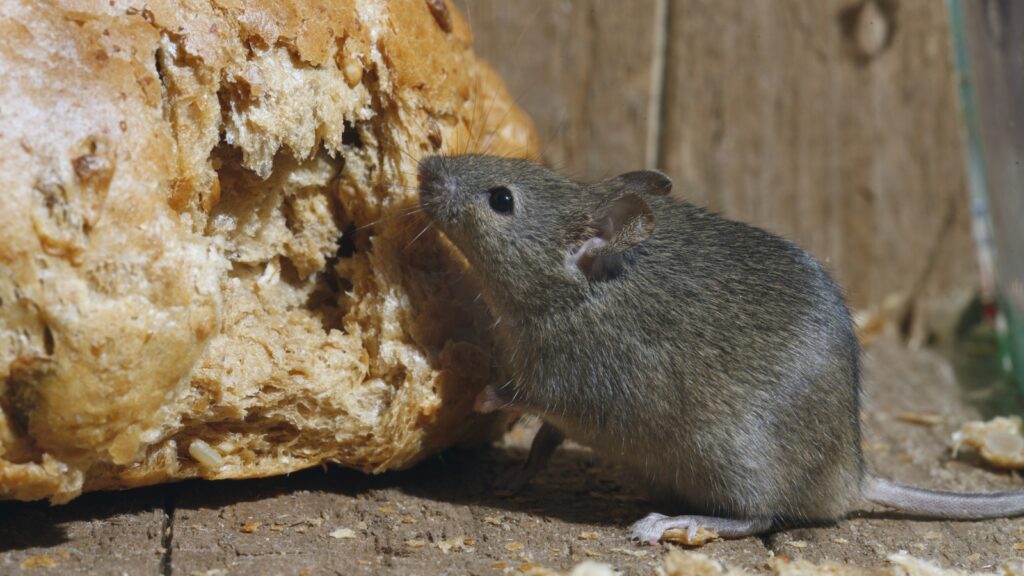
Mice in Andover homes often return each winter because a house offers steady shelter, food, and nesting space when outdoor conditions become harsher. The same small gap can serve as an entrance year after year unless someone finds and corrects it. Mosquito Enemy provides rodent control in Massachusetts that combines inspection, targeted control, entry-point findings, and practical prevention recommendations.
Hey, I’m Jeff, your local pest control guy. If the mice disappear for a while and then show up again, I want you to look beyond the last trap you set. Finding what still lets them in matters just as much as removing the mice you can see.
Seven Common Reasons Mice Keep Returning
- Winter shelter: Attics, wall voids and basements protect mice from harsh weather.
- Small openings: Gaps around doors, pipes, cables and vents can provide entry.
- Hidden routes: Garages, additions and older foundations can connect outdoor openings to indoor spaces.
- Accessible food: Crumbs, pet food, birdseed and unsealed pantry packages reward mice that get inside.
- Undisturbed clutter: Stored boxes and fabric provide concealed travel and nesting spaces.
- Incomplete repairs: An overlooked opening or deteriorated patch can restart the same problem.
- Seasonal habits: Winter storage, supplies and frequently opened doors can create new opportunities.
Why Mice in Andover Homes Find Reliable Winter Shelter
Mice remain active through winter. Wall voids, attics, basements, crawl spaces, garages, and cabinets protect them from wind, snow, and rapid temperature changes. Insulation, paper, fabric, and stored materials also provide nesting material.
Heat from your home can create warm pockets around utility lines, appliances, mechanical equipment, and finished living spaces. A mouse can travel within walls and appear far from the place where it entered. Scratching above a bedroom may begin with an opening near the foundation, garage, roof edge, or exterior utility line.
Mice Need Only a Small Opening
A mouse can fit through a hole about one-quarter inch wide, roughly the width of a pencil. That scale makes ordinary construction gaps important. Openings around pipes and cables, worn door sweeps, damaged vent screens, gaps beside garage doors, and transitions between siding and foundations all deserve attention.
New gaps can also develop as materials age and move. Caulk separates, weatherstripping compresses, wood deteriorates, and utility work leaves space around a penetration. A previous sealing attempt may fail when it relies on a material that mice can gnaw or push aside.
New England Construction Can Contain Hidden Routes
Mosquito Enemy works with real New England homes, including properties with older basements, fieldstone foundations, additions, and tight crawl spaces. These features can create irregular openings and connected voids. A visible crack may lead into a much larger space behind a finished wall.
Garages and porches add transitions between exterior and interior construction. From there, a mouse may shelter behind stored belongings and later reach the house through a shared wall, door gap, or utility chase.
Food Keeps Mice Close to Living Areas
Mice can live on small amounts of accessible food. Crumbs beneath appliances, spilled birdseed, pet food left overnight, pantry packages, and trash residue can sustain them. Holiday baking and seasonal storage may increase the number of food packages and cardboard boxes in the house at the same time mice are seeking shelter.
Store dry goods and pet food in durable containers with tight lids. Clean beneath stoves and refrigerators where crumbs collect. Wipe pantry shelves, close trash containers, and clean residue around recycling. These steps reduce rewards for mice already inside, although food cleanup alone cannot close their entrance.
Clutter Protects Travel Routes and Nests
Cardboard boxes, bags, folded fabric, holiday decorations, and seldom-moved storage create concealed spaces. Mice often travel along walls and behind objects rather than crossing exposed floors. A crowded basement, garage, or attic lets them move with less disturbance.
Use sealed plastic bins where practical and leave an inspection lane along walls. Raise stored goods when the space allows, and remove empty boxes promptly. An organized storage area makes droppings, gnaw marks, nesting material, and damaged packages easier to notice.
The Same Entry Point Can Reopen
Recurring problems with mice in Andover homes often follow a route that was never fully corrected. Traps may remove mice inside while the exterior opening remains available. A quick foam patch may deteriorate or be gnawed. Even a door sweep that closes the center of a door may leave space at the corners.
Repairs should match the opening and the building component. Metal mesh, hardware cloth, flashing, mortar, door hardware, or another durable material may be appropriate depending on the location. Ventilation, drainage, utilities, and animals already inside must be considered before sealing. Structural repairs may require a contractor or handyman.
Evidence Helps Trace the Route
Fresh droppings, gnaw marks, rub marks, nesting material, damaged food packages, and nighttime noises help define where mice are traveling. The location is as useful as the sign itself. Droppings beneath a kitchen sink point toward plumbing penetrations, while activity near attic eaves calls for a roofline and upper-wall review.
Handle droppings carefully. Wear gloves, wet contaminated material with an appropriate disinfectant, allow the required contact time, and wipe it up. Sweeping or vacuuming dry droppings can release contaminated dust, so use a wet cleanup method and follow the product label. Follow the CDC guidance for cleaning up after rodents, including the additional precautions for heavy infestations.
A Professional Inspection Connects Interior and Exterior Clues
Mosquito Enemy’s rodent process begins with an inspection of key areas inside and outside. We look for droppings, gnawing, runways, nesting sites, and possible entrances. Identification also helps separate mouse activity from rats or other animals that may require a different response.
Targeted traps or bait stations can then be placed along confirmed travel routes, with careful positioning around the household. Follow-up may be appropriate when activity continues or the layout creates several connected areas. We also identify repairs and maintenance steps that can reduce another winter entry.
Seasonal Habits Can Restart the Cycle
Fall brings birdseed, pet supplies, holiday food, and stored decorations into garages and basements. Moving firewood closer to the house or leaving doors open during deliveries and yard cleanup can create more opportunities. Each change can add food, shelter, or a travel opportunity. Review these routines before the first cold stretch and keep supplies in containers that resist gnawing.
Outdoor conditions also change. Leaf piles conceal the foundation edge, snow hides low openings, and stored patio items create protected spaces beside walls. Complete the exterior review while the perimeter remains visible, then recheck areas disturbed by winter weather or contractors.
Frequently Asked Questions
Q: Why do mice keep coming back every winter?
A: Mice can return when entry gaps, food and protected nesting areas remain available. Removing the mice inside is only part of the job; finding their route and correcting those conditions helps reduce another round.
Q: Can mice get into a clean house?
A: Yes. A clean house can still have an opening that lets mice reach shelter or nesting space. Keep food sealed and crumbs cleaned up, but check access points too.
Q: How small a hole can a mouse squeeze through?
A: A mouse can fit through an opening about one-quarter inch across, roughly the width of a pencil. Check around pipes, cables, doors and vents rather than looking only for large holes.
Q: Will catching mice stop them from coming back?
A: Trapping removes mice that are already inside, but it does not close an entrance or remove every food and shelter source. Lasting prevention also depends on inspecting entry routes, making appropriate repairs and reducing attractants.
Q: Can I vacuum mouse droppings?
A: No. Sweeping or vacuuming rodent droppings can put contaminated particles into the air. Follow CDC cleanup guidance: wear rubber or plastic gloves, thoroughly wet the material with an appropriate disinfectant, allow the required contact time and wipe it up with paper towels. Heavy infestations require additional precautions.
Q: When should I call a professional about recurring mice?
A: Call when you keep finding fresh signs, cannot locate the entry route or suspect activity in areas you cannot safely reach. An inspection can connect the indoor evidence with exterior openings and identify the next control and repair steps.
Get Help Finding the Route Back In
If mice in Andover homes keep returning, tell us where you are seeing activity and when it started. Mosquito Enemy serves Andover and offers rodent control in Essex and Middlesex Counties, Massachusetts. Call or text: 888-229-0095, or contact us to request a rodent inspection. We will explain the findings and recommended next steps, including any repairs that need a contractor or handyman.
It’s More Fun Outside! with Mosquito Enemy.