
I’m Jeff, your local pest control guy.
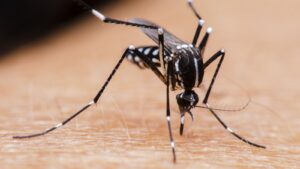
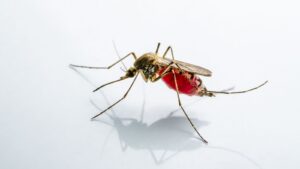
Climate change mosquito and tick season problems are not “future problems” anymore in Massachusetts and New Hampshire. They’re happening now, right in normal backyards.
Warmer springs. Hotter summers. More sticky humidity. More heavy rain events. Fewer cold nights that used to knock bugs back.
That mix stretches mosquito season Massachusetts and tick season Massachusetts on both ends, and it can make the middle feel more intense too.
Related reading
Mosquito Exterminator: MA/NH Season Start & End
Where Do Ticks Hide in My Yard? The Spot Most Homeowners Miss First
Quick answer
Climate change is giving mosquitoes more breeding days and giving ticks more active days. That’s why more homeowners end up searching mosquito control near me, tick control near me, and mosquito and tick control near me earlier in the spring… and later into the fall.
If you want your yard back, the fix is not one magic spray. It’s a plan that matches the season, the weather, and how mosquitoes and ticks actually live.
Why a longer warm season changes everything
Most people think mosquito problems start when they “see” mosquitoes. The real story starts earlier than that.
A longer warm season means water warms earlier. Mosquitoes don’t need a swamp, either. A little standing water mosquito control problem can begin with plant saucers, toys, tarps, low spots, and shady corners that stay damp.
That’s why a professional mosquito control service looks at your yard like a map, not like a flat square of grass.
Shady shrubs. Dense hedges. Wet pockets. The edge line where lawn meets brush.
Those spots are where a real mosquito barrier treatment and tick barrier treatment should be aimed.
What climate change does to mosquitoes in New England
Mosquitoes love three things: warmth, moisture, and places to rest.
Climate change adds fuel to all three.
When nights stay warmer, mosquitoes can keep moving, feeding, and breeding. That adds pressure to every mosquito spray schedule you try to follow.
Folks realize when heavy rains hit, you get new water everywhere. That’s when people call me and say, “Jeff, my yard was fine… then boom.”
A strong mosquito treatment helps, but water makes new mosquitoes fast, especially in August when everything is warm and humid.
This is also why “spraying the air” doesn’t work. A real mosquito yard treatment is about where mosquitoes land, rest, and hide.
That’s what a good mosquito barrier spray is designed to do.
What climate change does to ticks (and why winter isn’t a pause button anymore)
Ticks are not like mosquitoes. A mosquito needs water to start life, while a tick needs the right ground-level conditions to survive and “quest” for a host.
Milder winters matter because fewer ticks die off, and ticks can stay active on any day that gets warm enough.
That’s why homeowners tell me, “I found a tick in March,” or “My dog picked one up in November,” and they’re not crazy.
A smart tick control service assumes ticks will show up earlier and hang on longer than they used to.
Serious yards also need the right placement. A tick yard treatment is not a “spray the middle of the lawn” thing.
Edges matter. Leaf litter matters. Stone walls matter. Brush lines matter.
That’s why people end up searching tick exterminator near me after they try DIY and still keep finding ticks in the same exact zones.
Heavy rain vs drought: which one makes mosquitoes worse?
Here’s the honest truth.
Heavy rain usually creates the biggest “new mosquito” spike because it creates fresh breeding sites all over the place. Think puddles, ditches, low spots, clogged downspouts, and anything that holds water for a week.
Drought can still be a problem, though, because it concentrates water into fewer places. Bird baths, plant saucers, buckets, and small containers can become the only “nursery” around, and mosquitoes will take that deal all day.
Either way, the answer is to combine adult control with source reduction.
That’s why we push a full mosquito and tick control approach, and why tougher properties should consider our egg-and-water strategy too.
If you want to reduce the next wave, add mosquito egg and larvae control as an add-on. That’s how you hit breeding areas, not just the flyers you see today.
What homeowners can do to reduce climate-driven mosquito and tick pressure
You don’t need to turn your yard into a science project. You just need to stop accidentally feeding the problem.
1) Dump standing water weekly. Buckets, toys, tarps, wheelbarrows, and low spots after rain are prime mosquito fuel. A little water is enough for a big headache.
2) Keep shade from turning into a “rest stop.” Mosquitoes hide in thick greenery. That’s why you’ll hear terms like backyard mosquito control and outdoor mosquito control so much. The battle is in the shade, not the sky.
3) Clean up edges. Ticks love the border zone. Rake leaf litter, keep brush back, and reduce ground-level hiding spots along woods lines.
4) Keep gutters flowing. Clogged gutters can hold water and create breeding spots you never see from the ground.
5) Stay on a schedule, not on hope. A true seasonal mosquito control program works because it stacks protection. Skip treatments and you leave a gap for a rebound.
Why “DIY mosquito treatment” usually disappoints
Most homeowner products feel satisfying for about five minutes, then the yard goes right back to normal.
Coverage is the issue. Timing is the issue. Placement is the issue.
A professional mosquito control company isn’t just selling liquid. A good company is selling the right zones, the right rate, and the right timing for your property.
That’s the difference between a random spray and a real mosquito control service.
The same goes for ticks. A tick control company has to treat where ticks live, not where you wish they lived.
What we do at Mosquito Enemy (and how we fit the season)
At Mosquito Enemy, we run two main barrier schedules because weather and biology decide how long treatments last.
One option is our eco-friendly EPA-licensed plan that lines up with a 21 day mosquito spray schedule. Many homeowners choose it because it’s a strong, steady, season-long approach for residential mosquito control.
A second option is our all-natural plan that’s refreshed more often on a 14 day mosquito spray schedule. People often call that a biweekly mosquito treatment approach because consistency is what keeps it performing.
For many yards, adding egg-and-water control makes the whole system stronger. That add-on is what people mean when they ask about mosquito larvae control or mosquito larvicide service.
A barrier knocks adults down. Egg and water treatments help reduce the next hatch.
That combo is a big reason people describe us as the best mosquito control choice for tougher New England properties.
Tick work is built into our full mosquito and tick control program, and we also offer dedicated tick control for homeowners who want ticks handled as a priority.
A quick word about rain after treatment (because weather is part of this)
This is one of the most common questions I get, especially in wet weeks.
If you’re wondering does rain wash off mosquito spray, here’s how I explain it in plain English.
We include a Rain Shield additive in every application. It reduces water surface tension so product spreads evenly instead of beading up.
Rain Shield also helps the application bond faster and dry quicker for better coverage, and it helps protect the application from rain or sprinklers.
That “weather room” matters in New England. In general, Rain Shield helps protect the application through up to about 12 inches of rainfall or irrigation water before washout would be expected.
A quick shower after application usually does not mean it washed off.
Who’s most at risk as the climate warms?
Everyone gets bitten. Some groups get hit harder because of exposure time.
Outdoor workers are one. Landscapers, contractors, delivery drivers, utility workers, and anyone who’s outside all day can pick up more risk simply from being in tick and mosquito zones longer.
Pet owners are another. Dogs run edges. Dogs push into brush. Dogs bring ticks back to the patio, the couch, and the kid who hugs them five minutes later.
Families with young kids are high on the list too, because kids don’t sit still. They play in the shade. They sit in the grass. They run the perimeter.
Anyone with a history of tick bites, Lyme concerns, or repeat mosquito swarms should treat the yard like part of their health routine, not like a once-a-summer annoyance.
If you’re shopping for service, here’s what to compare
Plenty of people search mosquito control company near me or mosquito exterminator near me and pick the first thing they see.
Price alone is a trap.
A low price often means short visits, thin coverage, and weak focus on the real mosquito and tick zones.
If you’re comparing, ask about timing, schedule, and whether they offer real breeding support like egg-and-water treatments.
Ask how they approach ticks, because tick spraying service done wrong is basically money sprayed into the middle of the lawn.
A strong plan is detailed, consistent, and built for the real conditions of your yard.
What this means for August
August is where climate pressure shows up the loudest.
Heat speeds things up. Warm rain feeds breeding. Humidity keeps shady resting areas comfortable.
That’s when people start asking how long does mosquito spray last, and the honest answer is: it depends on weather, growth, and pressure from nearby breeding source
It’s also when some homeowners ask about mosquito fogging or even a mosquito misting system.
A mosquito misting system cost can be a bigger investment, so most families do best with a season-long barrier plan first, plus egg-and-water support on properties that need it.
If your goal is simply “enjoy the yard,” a solid mosquito spray service on schedule is usually the smartest first step.
FAQ
How does climate change affect the length of mosquito and tick season in Massachusetts?
A: Warmer temperatures and fewer hard-freeze nights extend the time mosquitoes can breed and the time ticks can stay active.
Detail: Longer warm periods can mean earlier spring pressure, heavier summer pressure, and activity that hangs on deeper into fall than many homeowners expect.
Why are ticks active even in winter now?
A: Ticks can move and quest on milder winter days when temperatures climb, especially in sheltered, humid edge zones.
Detail: A short warm spell can be enough for tick activity, which is why winter no longer feels like a guaranteed “off switch” for tick exposure.
Does heavy rain or drought have a bigger influence on mosquito breeding?
A: Heavy rain usually creates bigger spikes because it creates new standing water breeding sites across the yard and neighborhood.
Detail: Drought can still cause problems by concentrating breeding into containers and small water sources that stay warm and stagnant.
What can homeowners do around their property to reduce climate-driven mosquito and tick problems?
A: Remove standing water, reduce shady mosquito resting areas, and clean up the edge zones where ticks live.
Detail: Staying consistent with a season-long plan matters too, especially when weather keeps reloading the yard with new pressure.
Which groups (outdoor workers, pet owners, etc.) are considered most at risk as the climate warms?
A: Outdoor workers, pet owners, families with young kids, and anyone spending long hours outside tends to carry the highest exposure risk.
Detail: More exposure time plus longer seasons means more chances for tick bites and mosquito bites, which raises concern for Lyme, West Nile virus, and EEE.
Top towns we service
Here are 16 of the top towns we service every week.
Amesbury
Andover
Boxford
Byfield
Georgetown
Groveland
Haverhill
Ipswich
Merrimac
Newbury
Newburyport
North Andover
Rowley
Salisbury
Topsfield
West Newbury
Don’t see your town? We likely still cover it. See our full Service Area.
Related resources
Start with Mosquito + Tick Programs
Add this for tougher yards Mosquito Egg & Larvae Control
Ticks ONLY Tick Control
Home protection Home Shield
Stinging insects Stinging Insect Control
Rodents Rodent Control
Gutter Cleaning
Reach us Contact us
Call or text: 888-229-0095 |
Email: jeff@mosquitoenemy.com |
Contact us
“It’s More Fun Outside”! with Mosquito Enemy.