By Jeff Emerson, Owner of Mosquito Enemy
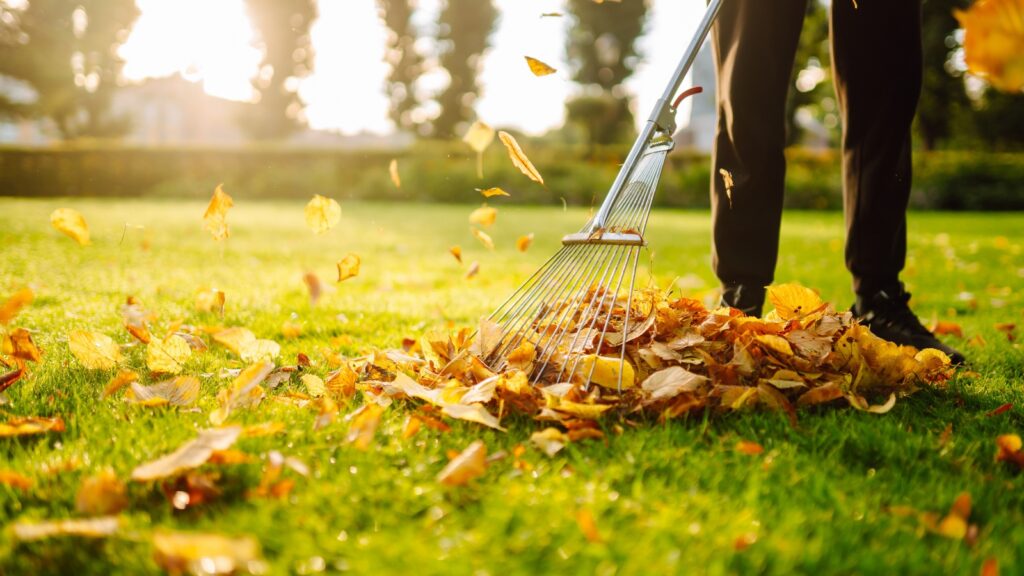
No, raking leaves alone will not get rid of ticks in your yard, but it can reduce the habitat they use. Removing deep leaf litter takes away some of the damp, protected cover blacklegged ticks favor. Cleanup does not kill every tick or replace personal protection, pet prevention or professional tick control when needed.
Hey, I’m Jeff, your local pest control guy. Before you spend a Saturday raking leaves across the whole yard, I want you to start where you or your dog actually brush against them. Your goal is a cleaner, usable edge, not a bare forest floor.
For the larger seasonal checklist, read our fall yard-cleanup guide for reducing tick habitat. Here, I am concentrating on how to rake, where the leaves should go and how to keep the work from undoing itself.
Why Raking Leaves Helps With Tick Habitat
Blacklegged ticks need protection from drying out. Damp leaves can hold moisture and shade close to the ground, particularly beneath shrubs and beside woods. University of Maine Extension recommends clearing leaf litter from lawn edges, stone walls and other sheltered areas as part of landscape management.
Think of raking leaves as changing the conditions, not proving that ticks are gone. A sunny patch of lawn and a shaded border packed with wet leaves do not offer the same shelter.
Rake Where Your Family Actually Walks
Start with the dog route, the path to the shed, the edge beside the patio and the space around play equipment. Look for the places where shoes, trouser legs or fur repeatedly contact leaves and low vegetation.
Instead of raking leaves from the open middle of the lawn first, clear those everyday routes. Keep the maintained area wide enough that normal movement does not send you straight back into brush.
Lift the Damp Mat Along the Lawn Edge
When raking leaves along a wooded lawn edge, lift the accumulated layer from the maintained side. Check beneath accessible shrubs and along fences or stone walls, where the top can look tidy while damp material remains underneath.
Leave roots, soil and established plants intact rather than scraping the ground bare. Where a wall, steep bank or dense growth makes access unsafe, show us the area instead of forcing your way into it.
Move Leaves Away From Daily Traffic
A pile beside the dog gate or play-area entrance is not a useful destination. Moving the leaves there can put sheltered material right beside the route you just cleared.
Choose municipal collection, approved disposal or a managed compost area away from routine family and pet traffic, following local rules. UNH Extension supports focusing leaf removal on high-use areas while retaining leaves in suitable low-use spaces.
Natural areas do not all need the same cleanup as the active yard. Keep any retained leaves separated from the immediate lawn edge and the routes people and pets use.
Recheck Corners as More Leaves Fall
One round of raking leaves may be followed by another layer the next windy day. Check fence corners, shrub beds and the same busy paths during leaf drop, then make a final targeted pass when most leaves are down.
After a storm, walk the maintained boundary and clear new drifts. Small follow-up jobs can protect the useful separation you created without repeating the entire yard cleanup.
Coordinate Raking Leaves With Tick Treatment
Tell us if you are planning major work, such as raking leaves or cutting brush, around a scheduled visit. Whenever practical, handle that cleanup first so the property conditions and appropriate treatment areas can be assessed together.
Do not assume you should rake through a recently treated area immediately afterward. Follow the actual service instructions, since the treatment and its directions determine what is appropriate.
Mosquito Enemy offers liquid and granular tick-control options for suitable properties in our Massachusetts and New Hampshire service areas. We can discuss the remaining habitat and recommend a plan without promising that raking or treatment will make the yard tick-free.
Protect Yourself While You Rake
Raking leaves puts you close to the same habitat you are trying to improve. Wear long pants, closed footwear and gloves, and use an appropriate EPA-registered repellent according to its label.
Check clothing, gear and pets before bringing them inside. Follow the CDC tick-prevention guidance, including a full-body tick check and showering soon after outdoor work.
Cold weather does not remove the need for these precautions. Adult blacklegged ticks can still seek hosts during mild fall and winter conditions.
Frequently Asked Questions
Q: How far under shrubs should I rake?
A: Clear the loose, accumulated leaves you can safely reach without damaging the shrub or its roots. Leave established plants and soil intact, and ask for help with a dense or inaccessible area rather than pushing into it.
Q: What if raking starts pulling up plants or exposing soil?
A: Stop before you turn leaf cleanup into soil removal. Ask a landscaper about fragile plants or unstable ground, and tell your tick-control provider which areas you could not safely clear.
Q: Where should I put leaves collected beside a dog run?
A: Use local collection, approved disposal or a managed compost area away from the dog run and normal foot traffic. Keep the pile out of the route you just opened instead of leaving it beside the gate.
Q: Can I rake an area that was just treated for ticks?
A: Follow the instructions for that application before disturbing the treated area. Tell your provider what you plan to rake, because the product, treatment location and service directions determine the appropriate timing.
Q: What should I show my tick-control company after leaf cleanup?
A: Show us the cleared edge, remaining damp leaves, brush and the route where a person or pet encountered ticks. Photos and the date and location of encounters can help explain the concern, but they do not prove treatment success or failure.
Q: How often should I rake leaves to reduce tick habitat?
A: Check the high-use edges as leaves fall and again after wind refills them. A few targeted cleanups are more useful than clearing the lawn once while damp leaves keep collecting along the paths your family and pets use.
Need Help With the Tick Habitat That Remains?
If raking leaves has exposed damp borders, brushy dog routes or other areas you are unsure about, tell us where your family is encountering ticks. Mosquito Enemy can review the property and discuss tick-control options for the habitat that remains.
Call or text: 888-229-0095, or contact Mosquito Enemy to request a tick-control quote. We serve eligible properties in Massachusetts and New Hampshire.
It’s More Fun Outside! with Mosquito Enemy.