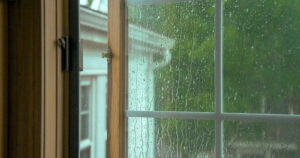
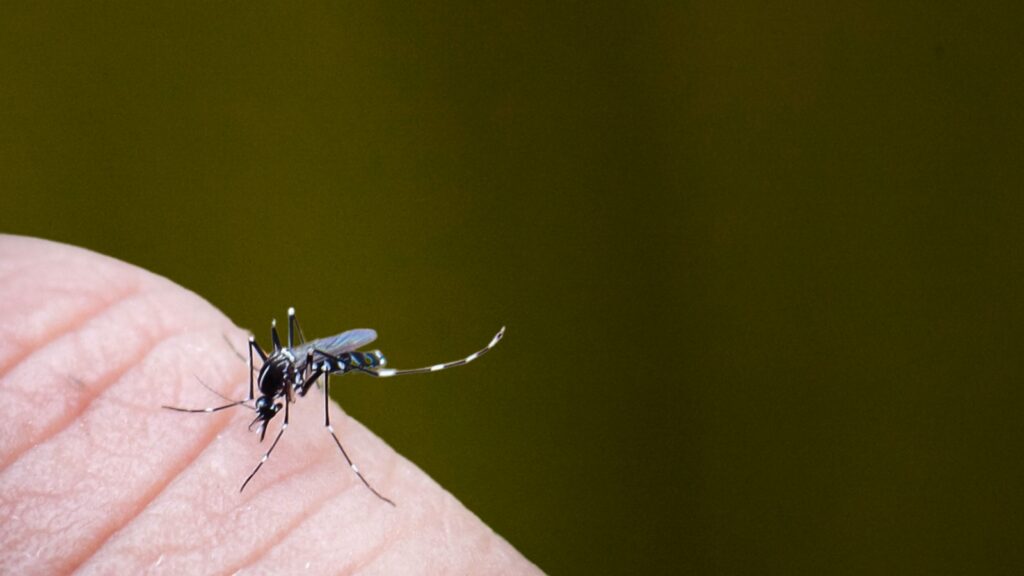
Wet springs in Massachusetts can set the stage for a rough mosquito summer by filling breeding habitat before sustained summer heat arrives. The amount of moisture a region receives in early spring affects how much standing-water habitat is available when mosquito populations build as temperatures rise.
Snowmelt and Spring Rain Fill Breeding Sites Early
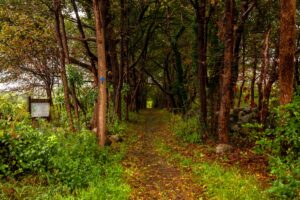
Massachusetts winters typically leave behind snowpack that melts gradually into low-lying areas, wetlands, and drainage systems. When spring rainfall is added on top of that snowmelt, it creates widespread standing water well before most homeowners are thinking about mosquito prevention. Vernal pools, flooded lawns, and saturated wooded areas all become active breeding grounds as soon as temperatures climb high enough to support egg development, which can happen earlier in a wet year than a dry one.
Early Generations Set Up a Larger Summer Population
Mosquitoes that hatch in early spring go on to lay their own eggs once they mature, and this cycle repeats multiple times before summer even begins. A wet spring effectively gives mosquitoes a head start, allowing for additional generations to develop before the peak season arrives. By the time June and July bring the heat that most people associate with mosquito season, a wet spring has often already allowed the population to grow several generations larger than it would in a drier year.
Soil Saturation Extends the Problem
Beyond the water that is immediately visible, a wet spring saturates soil in wooded areas, low spots, and yards with poor drainage. This saturated ground continues to hold moisture for weeks, supporting mosquito development even after the rain itself has stopped. Properties with dense shade or heavy tree cover tend to retain this moisture longer, which extends the window during which breeding can continue.
Why This Matters for New England Timing
Because a wet spring accelerates mosquito development, waiting until peak summer to begin a treatment plan often means starting after the population has already established itself. Weather patterns play a significant role in how mosquito and tick treatments perform throughout the season, which is part of why an early-season start matters as much as the treatments applied once summer heat sets in.
A few conditions make a yard more likely to see an early, larger mosquito population following heavy spring rainfall:
- Low areas of the lawn that remain soggy into early summer
- Wooded sections or dense shade that hold moisture longer
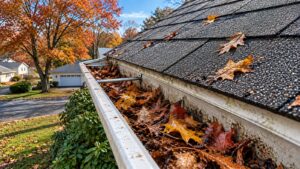
- Gutters, downspouts, or drainage areas that were not cleared before spring rains
- Proximity to wetlands, vernal pools, or slow-draining soil
None of these conditions are unusual for Massachusetts properties, which is why a wet spring so often translates into a difficult mosquito season across Essex and Middlesex County communities rather than affecting only a few isolated yards.
Mosquito Enemy adjusts treatment timing based on actual spring weather conditions rather than a fixed calendar date, since starting early after a wet spring can prevent a population from establishing the head start that leads to a difficult summer. Our barrier programs are designed to interrupt this cycle before it compounds.
If this spring brought more rain than usual to your area, now is the time to get ahead of it. Contact us for a free quote and our team can build a treatment schedule around the conditions your property is actually facing this season.