
I’m Jeff, your local pest control guy.
When mosquitoes and ticks are ruining your yard, your brain starts hunting for the “easy win.”
A bat house.
Maybe a bird condo.
Some folks buy a bug zapper that sounds like it’s doing something.
Other people put a “mosquito plant” by the patio.
Plenty of homeowners share a meme that says opossums eat thousands of ticks.
Hope is normal.
Confusion is normal too.
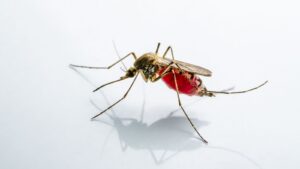
Mosquito and tick control myths spread because easy fixes like bats, bug zappers, repellent plants, and predator claims sound appealing. The useful question is which of those ideas actually reduces mosquito or tick exposure in a real yard.
Myths and facts about natural predators and gadgets for mosquito & tick control.
Related reading
Start here: Mosquito Spray Schedule: Why Recurring Treatments Beat One-Time Sprays
Then read this: What happens if it rains after a mosquito treatment?
Quick answer
Bats, birds, and opossums can eat mosquitoes or ticks sometimes, and a few gadgets can help around the edges. The problem is scale. Mosquitoes can hatch in waves from tiny pockets of water you never notice, and ticks build pressure in leaf litter and edge zones where wildlife moves through. Predators and gadgets rarely reduce populations enough to change real-life comfort. Meaningful relief comes from a plan that targets mosquito breeding, knocks down adults where they rest, and treats tick habitat where your family and pets actually get exposed.
Why these myths feel so believable
Most claims start with a true sentence.
Bats eat insects.
Birds catch bugs in flight.
Opossums groom themselves.
Bug zappers kill bugs.
Some plants contain oils that can repel mosquitoes in certain forms.
All true.
The myth shows up when “sometimes” turns into “problem solved.”
First reality check: mosquitoes and ticks are a volume game
Mosquitoes reproduce fast.
Warm weather plus rain can create a brand-new wave before you even notice it started.
Eggs and larvae develop in water, and that water can be hiding in plain sight.
Bird baths are obvious.
Tarp dips, toy buckets, clogged drains, and neglected gutters are the sneakier version.
Ticks play a different game.
They build pressure in cover and along transitions where animals travel.
Leaf litter, brush lines, stone walls, tall edges, and shady borders are the places that matter.
That’s why the “one cool trick” approach usually fails.
Myth and fact: bat houses
Bats are good neighbors.
Supporting them is great for the ecosystem.
Mosquito control is not what a bat house guarantees.
Many bats prefer larger insects because it’s a better meal for the effort.
Mosquitoes are tiny, low-calorie, and not always the top choice when bigger insects are available.
Timing matters too.
Mosquito pressure can spike quickly after weather shifts.
A bat colony doesn’t scale up overnight to match a hatch.
Put up a bat house if you want bats.
Count on a real mosquito control service if you want your yard to feel different.
Myth and fact: Purple Martins and other “mosquito-eating birds”
Purple Martins are fun to watch.
Lots of birds eat insects.
The jump people make is assuming mosquitoes are the main target.
Most birds go after larger insects when they can, because that’s basic energy math.
Biting mosquitoes also spend a lot of time down low, resting in shade and humidity under shrubs and along edges.
Many birds feed higher up or over open areas, not combing your “mosquito hotel” pockets.
Bird habitat is a good thing.
Relying on birds for mosquito control usually ends in disappointment.
Myth and fact: “opossums eat thousands of ticks”
This one went viral because it feels like a superhero story.
Here’s the real part: opossums groom themselves, and grooming can remove ticks that crawl onto them.
Now the exaggerated part: the idea that an opossum protects your yard like a full-time tick cleanup crew.
Tick contact varies a lot from yard to yard.
Wildlife movement keeps the cycle going, because ticks get dropped and picked up along travel lanes and edges.
That pressure lives in habitat.
One animal’s grooming habits don’t erase a property-wide tick problem.
Myth and fact: bug zappers
Bug zappers are satisfying.
That snap sound makes it feel like you’re winning.
Mosquitoes, however, aren’t primarily attracted to light.
Carbon dioxide from breathing, body heat, and human scent are the big drivers.
Zappers tend to kill what loves light, which is often moths, beetles, and other non-target insects.
Meanwhile, mosquitoes can keep hunting you instead of the lamp.
A bright zapper can even pull insects toward your yard that weren’t hanging around before.
If you want a simple patio upgrade that actually helps, a strong fan usually beats a zapper for comfort.
Myth and fact: “mosquito repellent plants”
Citronella, lavender, basil, mint, rosemary, marigold.
You’ve seen the lists.
Some of those plants contain oils that can repel mosquitoes in certain forms.
A plant sitting in a pot usually doesn’t release enough of that repellent into the air to protect a whole yard.
Protection from plant oils is usually about concentration and contact.
Crushing leaves and rubbing them is different than having a pretty planter near the grill.
Use plants for patio vibes if you like them.
Trust a real plan for yard-wide control.
What actually works when you want fewer bites
Here’s the part that matters.
Relief comes from pressure reduction, not luck.
That pressure drops when you hit the problem where it lives.
Step one: cut off mosquito breeding
Dump what you can dump.
Fix what you can fix.
Treat what you can’t remove.
That third bucket is where most people get stuck, because not all water sources are obvious or removable.
This is exactly why Mosquito Egg & Larvae Control exists.
Five targeted applications per year aimed at breeding zones helps stop the next wave from ever taking flight.
Larvae feed, so larvicides can control them.
Pupae don’t feed, so that stage can’t be controlled the same way.
Stopping eggs and larvae is how a yard gets steadier instead of constantly refilling.
Step two: treat adult mosquitoes where they rest
Most biting mosquitoes aren’t hovering over your lawn in full sun.
Shade is where they hide and recharge.
Shrubs, under decks, dense groundcover, damp corners, and shaded edges are the real targets.
Trimming for airflow helps.
Fans help a lot on patios because mosquitoes are weak flyers.
A professional barrier program is what usually makes the biggest difference fast, because it’s built around coverage in the resting zones.
Our core service is Mosquito + Tick Programs because comfort comes from timing, targeting, and consistency.
Traditional barrier service runs every 21 days.
All-natural service runs every 14 days.
That rhythm matters because new mosquitoes keep hatching between visits.
Step three: treat tick habitat where people and pets get exposed
Ticks live in the transitions.
Woods-to-lawn edges.
Stone walls.
Brushy borders.
Leaf litter that stays damp.
When a dog runs the edge and comes back with ticks, that’s not bad luck.
It’s a hotspot doing what hotspots do.
Tick reduction takes habitat awareness plus targeted treatments in the right zones.
If ticks are the main worry, Tick Control focuses on the places that actually drive exposure.
Where predators and gadgets can still fit
Bats and birds can be part of a healthy ecosystem.
Plants can make a patio smell nice.
Zappers can be entertaining.
None of those things replaces mosquito breeding control, barrier work, or tick habitat treatment.
Use the natural stuff as support.
Rely on a real program for the heavy lifting.
Bottom line
Myths spread because they’re simple.
Mosquitoes and ticks aren’t simple.
A yard gets comfortable when you stop refills, treat the resting zones, and stay consistent through the season.
That’s the difference between “I bought a gadget” and “I got my yard back.”
FAQ
Do bats eat enough mosquitoes to control populations?
A: Bats eat insects and can eat mosquitoes, but they usually don’t reduce mosquito numbers enough to make a yard feel meaningfully bite-free on their own.
Detail: Mosquito hatches can refill a property fast after warm, wet weather, so real control needs breeding reduction plus consistent treatment of resting zones.
Can Purple Martins or other birds control mosquitoes?
A: Birds can catch mosquitoes sometimes, but most birds prefer bigger insects and don’t focus on the low, shaded resting pockets where biting mosquitoes build up.
Detail: Bird-friendly yards are great, yet reliable mosquito comfort comes from targeting breeding sites and treating where adult mosquitoes hide.
Do opossums eat thousands of ticks?
A: Opossums groom and may remove some ticks, but the “thousands of ticks” claim is exaggerated and shouldn’t be treated as a tick control plan.
Detail: Tick pressure is driven by edge habitat and wildlife movement, so meaningful reduction comes from treating hotspots and managing cover along the borders.
Are bug zappers effective for controlling mosquitoes?
A: Bug zappers kill plenty of insects, but they usually don’t kill many mosquitoes because mosquitoes are attracted more to carbon dioxide, heat, and scent than to light.
Detail: Patio comfort improves more from airflow, smart yard habits, and a professional barrier program than from a zapper alone.
Are plants marketed as mosquito repellents scientifically proven?
A: Some plants contain oils that can repel mosquitoes in certain forms, but a plant in a pot usually doesn’t protect a whole yard by itself.
Detail: Those plants can be a helpful add-on for a small sitting area, while breeding control and resting-zone treatments do the real work for yard-wide relief.
Top towns we service
Here are 16 of the top towns we service every week.
Amesbury, MA
Andover, MA
Boxford, MA
Byfield, MA
Georgetown, MA
Groveland, MA
Haverhill, MA
Ipswich, MA
Merrimac, MA
Newbury, MA
Newburyport, MA
North Andover, MA
Rowley, MA
Salisbury, MA
Topsfield, MA
West Newbury, MA
Don’t see your town? See the full list here: Service Area
Related resources
Start with: Mosquito + Tick Programs
Add this for tougher yards: Mosquito Egg & Larvae Control
Ticks ONLY: Tick Control
Home protection: Home Shield
Stinging insects: Stinging Insect (MA)
Rodents: Rodent (MA)
Gutter Cleaning: Gutter Cleaning
Reach us: Contact us
Get Your Free Quote
Call or text: 888-229-0095
Email: jeff@mosquitoenemy.com | Contact us
It’s More Fun Outside! with Mosquito Enemy.