
I’m Jeff, your local pest control guy.
Powassan virus is one of those tick topics that makes people sit up straight.
Lyme gets all the attention.
Powassan feels scarier because it can move fast and get serious.
So this is the calm, practical breakdown.
No panic.
Just the real story, plus what you can actually do about it in a Massachusetts or New Hampshire yard.
Related reading
Start here: Tick Control: How to Reduce Ticks in Your Yard
Then read this: Do I need to worry about mosquito-borne illness in MA/NH?
Quick answer
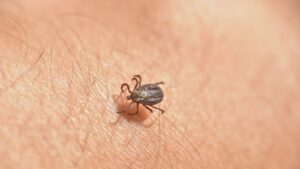
Powassan virus spreads through the bite of an infected tick.
Blacklegged ticks (deer ticks) are a big part of the story in our region.
Transmission can happen fast, which is why “I pulled it off later” is not the comfort phrase people think it is.
Symptoms range from nothing at all to serious brain and nervous system illness.
Testing is done through medical care and public health lab methods.
No human vaccine exists, and treatment is supportive, so prevention is the real tool.
Powassan virus in plain English
Think of Powassan as a tick-borne virus that’s rare, but worth respecting.
Most people hear “rare” and tune out.
That’s understandable.
Still, one bite is all it takes if the tick is infected.
Good habits keep the odds in your favor.
Smart prevention is the goal.
How do you get Powassan virus, and what tick carries it?
Powassan virus is primarily spread to people through the bite of an infected tick.
In our part of the world, the blacklegged tick (often called the deer tick) is a major concern.
Other Ixodes ticks are part of the picture too, depending on location and strain.
Here’s the practical takeaway.
If you’re in tick habitat, assume the deer tick is the one you’re trying to beat.
That means brushy edges, leaf litter, stone walls, and woods-to-lawn transitions.
How fast can Powassan transmit after a tick attaches?
This is the headline that surprises people.
Powassan virus can be transmitted much faster than the “36–48 hours” talk you hear around Lyme.
Animal studies and published reviews have shown transmission can occur in as little as about 15 minutes in some situations.
No honest person should promise an exact minute for every real-life bite.
What does matter is this.
Fast removal is still the right move, every time.
Daily tick checks are still the right move, every time.
Good repellents and good clothing choices still matter, because “I’ll just pull it off later” is not a plan.
What symptoms should you watch for after a bite?
A lot of infections cause no symptoms at all.
When symptoms do show up, early signs can feel like a nasty flu.
Fever can happen.
Headache can happen too.
Vomiting and weakness are also on the list.
Now comes the part where you don’t mess around.
Severe illness can involve the brain or the lining around the brain and spinal cord.
Confusion, trouble speaking, loss of coordination, or seizures should trigger urgent medical attention.
If symptoms feel neurological, call a clinician fast.
Guessing is not the move.
How do doctors test for Powassan (diagnosis)?
Diagnosis is primarily done through laboratory testing of blood or spinal fluid.
Many cases rely on antibody testing, including IgM, with confirmatory testing done through public health labs.
Some cases can involve molecular testing early in illness.
The big point for homeowners is simple.
Testing is not a DIY thing.
Medical teams and public health handle that process when Powassan is suspected.
Is there a vaccine or treatment for Powassan?
No vaccine is available for humans.
No specific cure exists either.
Supportive care is what doctors use, especially in severe cases.
This is why prevention stays at the top of the list.
Reducing tick exposure is how you protect your family.
Is Powassan present in Massachusetts, and how common is it?
Yes, Powassan is present in Massachusetts.
Cases remain rare compared to Lyme.
Massachusetts reporting has documented dozens of cases over the last decade-plus, which puts it in the “uncommon but real” category.
New Hampshire also treats it as a real tick-borne risk, even though case counts are low.
Here’s the honest way to think about it.
Low odds is not the same as zero odds.
Good habits are still worth it, because those same habits protect you from the bigger-ticket problems too.
Can you prevent it the same way you prevent other tick illnesses?
Yes.
Powassan is not a “special trick” disease.
Prevention looks like the same smart stack you should already be doing for ticks.
The prevention stack that actually works for families
Start with clothing.
Long pants and closed shoes beat flip-flops in tick zones.
Light-colored clothing makes crawling ticks easier to spot.
Add repellent when you’re in edge habitat.
Use products as directed, and don’t wing it.
Stay out of brush contact when you can.
Stick to the middle of trails on walks.
Run tick checks the same day.
Hit the usual hiding zones: behind knees, around waistbands, under straps, and along sock lines.
Shower time can help too.
A rinse and a quick scan catches things before bedtime.
Yard changes that lower tick pressure
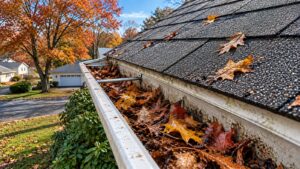
Edge cleanup is the quiet win.
Leaf litter holds moisture.
Brush piles hold rodents.
Stone walls hold travel lanes.
Clean transitions reduce contact.
Short grass helps, but borders matter more.
Keep play areas open, sunny, and dry when possible.
Create distance between woods edges and the spaces where kids and dogs spend time.
Where Mosquito Enemy fits
Some properties are built for tick pressure.
Heavy woods edges and wildlife traffic can keep refilling the problem zones.
That’s when a focused plan makes sense.
Our Tick Control service targets the places ticks live and the edges where people and pets pick them up.
A combined approach can help too, which is why Mosquito + Tick Programs exists for families who want the yard to feel normal again.
Bottom line
Powassan virus is rare, but it’s real.
Fast transmission is why tick prevention needs to be steady, not casual.
No vaccine exists for humans, so protection comes from habits and pressure reduction.
A smart plan keeps the outdoors fun without pretending ticks aren’t part of New England life.
FAQ
How do you get Powassan virus—what tick carries it?
A: Powassan virus is spread through the bite of an infected tick, and blacklegged ticks (deer ticks) are a key vector in our region.
Detail: Other Ixodes ticks can also carry Powassan virus depending on location, so tick bite prevention should treat any Ixodes tick as a risk.
How fast can Powassan transmit after a tick attaches?
A: Research and public health guidance note Powassan can transmit very quickly, with studies showing transmission can occur in as little as about 15 minutes in some settings.
Detail: Exact timing can vary, so the safest rule is quick removal plus daily tick checks instead of relying on a “wait window.”
What symptoms should you watch for after a bite?
A: Many people feel nothing, while others may develop fever, headache, vomiting, or weakness.
Detail: Confusion, trouble speaking, loss of coordination, or seizures are urgent warning signs that need immediate medical attention.
Is there a vaccine or treatment for Powassan?
A: No human vaccine exists, and there is no specific cure.
Detail: Care is supportive, which is why prevention and tick exposure reduction are the most practical protection steps.
Is Powassan present in Massachusetts (and how common is it)?
A: Yes, Powassan is present in Massachusetts, but it remains rare compared to Lyme disease.
Detail: Massachusetts reporting has documented dozens of cases over the past decade-plus, which makes it uncommon but worth taking seriously.
Top towns we service
Here are 16 of the top towns we service every week.
Amesbury, MA
Andover, MA
Boxford, MA
Byfield, MA
Georgetown, MA
Groveland, MA
Haverhill, MA
Ipswich, MA
Merrimac, MA
Newbury, MA
Newburyport, MA
North Andover, MA
Rowley, MA
Salisbury, MA
Topsfield, MA
West Newbury, MA
Don’t see your town? We probably still service it. Use our Service Area page to confirm.
Related resources
Start with: Mosquito + Tick Programs
Add this for tougher yards: Mosquito Egg & Larvae Control
Ticks ONLY: Tick Control
Home protection: Home Shield
Stinging insects: Stinging Insect Control
Rodents: Rodent Control
Gutter Cleaning: Gutter Cleaning
Reach us: Contact us
Call or text: 888-229-0095 | Email: jeff@mosquitoenemy.com | Contact us
It’s More Fun Outside! with Mosquito Enemy.