West Nile virus is present in Massachusetts mosquito populations every season, and Essex County, where Newburyport is located, has repeatedly been among the areas where the state has confirmed virus activity in mosquito samples and elevated local risk levels. This does not mean every mosquito bite carries a risk of infection, but it does mean Newburyport homeowners have good reason to take mosquito prevention seriously rather than treating it as an inconvenience.
How West Nile Virus Spreads
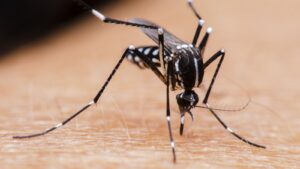
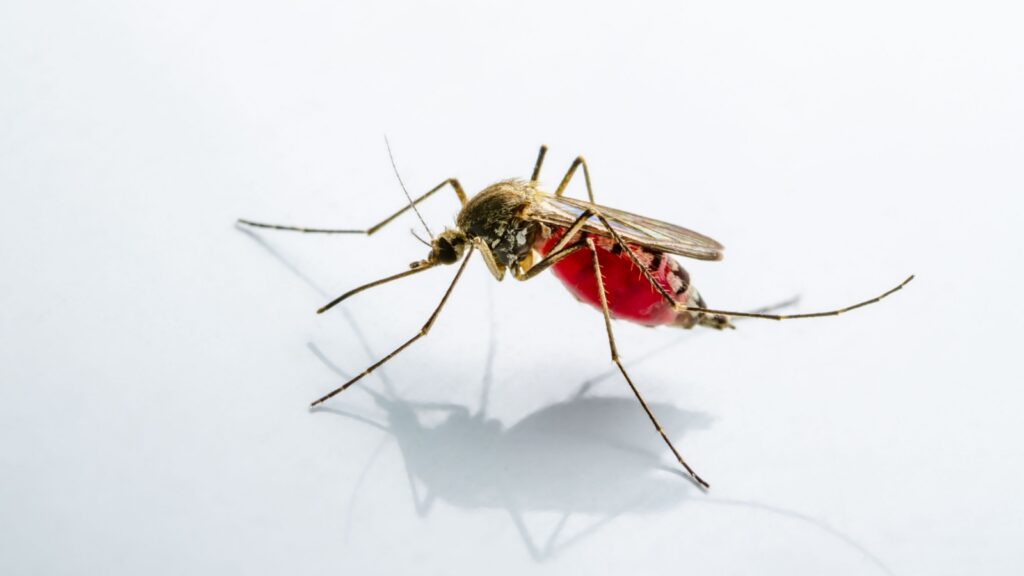
West Nile virus is transmitted through the bite of an infected mosquito, most commonly from species that feed primarily at dusk and dawn. Mosquitoes become infected after feeding on birds carrying the virus, then pass it to humans and other animals through subsequent bites. The Massachusetts Department of Public Health monitors this activity each season through mosquito surveillance and reported human cases, and risk levels are updated as new data comes in throughout the summer and early fall.
When the Risk Is Highest
Massachusetts health officials have consistently found that West Nile virus activity peaks during the warmer, more humid stretch of the season, typically from mid-summer through early fall, with risk continuing until the first hard frost brings mosquito activity to an end for the year. This extended window means Newburyport homeowners should stay alert well past the peak of summer rather than assuming the risk fades once the hottest weeks have passed.
What Symptoms Look Like
Most people infected with West Nile virus experience no symptoms at all or a mild illness involving fever, headache, and body aches that resolves on its own. In a smaller number of cases, particularly among older adults and those with weakened immune systems, the virus can cause more severe neurological illness. Anyone experiencing a high fever, confusion, or severe headache after mosquito exposure should seek medical evaluation rather than assuming symptoms will pass on their own.
Why Newburyport’s Setting Adds to the Concern
Newburyport’s tidal marshes and riverfront areas along the Merrimack River support mosquito species capable of carrying West Nile virus, and these habitats remain active breeding grounds throughout the season. Properties near Waterfront Park, the Boardwalk, or other low-lying areas close to the marsh and river sit closer to this ongoing source of mosquito activity than properties farther inland.
Reducing Risk Around Your Property
A few practical steps help reduce exposure to mosquitoes capable of carrying West Nile virus:
- Eliminate standing water in gutters, containers, and low-lying areas of the yard
- Limit outdoor activity during dusk and dawn hours when relevant mosquito species are most active
- Use screens on windows and doors to prevent mosquitoes from entering the home
- Wear long sleeves and pants during peak mosquito activity in high-risk areas
None of these steps eliminate mosquito activity entirely, since much of the breeding habitat around Newburyport exists in marsh and river areas outside any individual property’s control.
Professional mosquito treatment reduces the population of biting adult mosquitoes on a property directly, which lowers the number of potential exposures even when nearby marsh and wetland habitat cannot be eliminated. Mosquito Enemy’s barrier and larvae control programs are designed with Newburyport’s specific mosquito pressure in mind.
If you want a more complete approach to reducing mosquito exposure around your Newburyport property this season, request a free quote and our team can walk you through a treatment plan suited to your location.