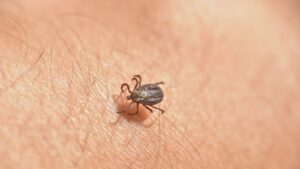

In Newburyport, ticks are a concern for much of the year, not just in the summer. Understanding when tick season starts, peaks, and tapers off helps you time treatments and prevention so your family and pets stay safer outdoors. For local homeowners, working with a professional tick control provider like Mosquito Enemy makes it easier to stay ahead of tick activity with well-timed treatments and clear guidance.
How Long Is Tick Season in Newburyport?
Blacklegged ticks (deer ticks), the primary carriers of Lyme disease, are active in different life stages during most months of the year. Newburyport’s relatively mild coastal climate and abundant wildlife mean there is rarely a “tick-free” season. Instead, risk levels rise and fall as different stages become more active.
In practical terms for Newburyport:
- Early spring through late fall is the core tick season for homeowners.
- Peak risk for tiny nymphs is late spring and early summer.
- Adult ticks remain active whenever temperatures are above freezing, especially in fall.
Because ticks are active in some form for much of the year, it is important to think in terms of “high-risk periods” rather than assuming they disappear outside of summer.
Spring: The Start of High-Risk Activity
For many Newburyport families, effective tick season planning begins in early spring. As temperatures climb and snow melts, ticks become active again and start looking for hosts. This is when it makes sense to begin or resume professional tick treatments so your yard is protected before outdoor activity ramps up.
In spring:
- Adult ticks that overwintered resume activity on warmer days.
- Nymphs begin to emerge and move into leaf litter, brush, and yard edges.
- Families start spending more time in yards, gardens, and local trails.
Because nymphs are small and easy to miss, early spring is a critical time to put barrier treatments in place around property edges, play areas, and paths.
Summer: Peak Nymph Season and Highest Risk
Late spring and summer are considered the highest-risk period for Lyme disease. Nymphs, which are roughly the size of a poppy seed, are very active in this window and are responsible for many human infections simply because they are so easy to overlook. Newburyport’s wooded yards, stone walls, and shaded garden beds give them plenty of places to wait for passing people and pets.
During summer:
- Nymph activity is at its peak.
- Families and pets are outside daily, often in shorts and lighter clothing.
- Tick encounters are most common near leaf litter, brush lines, and tall grass.
This is the time when consistent tick control around the yard is especially important. Regularly scheduled treatments help keep populations down so everyday activities like grilling, playing in the yard, or gardening are safer and more comfortable.
Fall: Active Adults and Lingering Risk
Ticks do not disappear when summer ends. In Newburyport, they remain active well into the fall whenever temperatures stay above freezing. Adult blacklegged ticks are particularly active in autumn as they search for larger hosts.
In fall:
- Adult ticks remain active in leaf litter, brush, and wooded edges.
- Fallen leaves create deeper layers of cover where ticks can hide.
- Families continue yard work, leaf cleanup, and fall projects.
Professional tick control in the fall helps reduce adult populations and limits the number of ticks that overwinter on your property. This also sets up a better starting point for the following spring.
Winter: Reduced but Not Zero Activity
Winter is the lowest activity period for ticks in Newburyport, but it is not accurate to say there are no ticks at all. On milder winter days, adult ticks can still be active, especially in sheltered spots. Pets and people who move through brushy areas can still encounter them.
Because of this:
- It is wise to maintain good yard hygiene year-round.
- Pet preventives prescribed by veterinarians should typically continue through winter.
- Planning ahead with your tick control provider ensures you resume treatments at the right time in early spring.
While treatments usually pause during the coldest part of winter, a good program will pick back up as soon as conditions favor tick activity again.
How Professional Tick Control Fits the Seasons
A strong seasonal tick control plan for Newburyport is built around these patterns. Many homeowners choose a program that:
- Starts in early spring to get ahead of emerging nymphs.
- Continues at regular intervals through summer for consistent protection.
- Extends into fall to target active adults and reduce overwintering ticks.
By combining well-timed treatments with simple prevention habits—such as keeping grass trimmed, removing leaf litter, and maintaining clear borders between lawn and woods—you can significantly reduce tick encounters on your property.
If you live in Newburyport and want help building a seasonal tick control plan that fits how your family uses your yard, this is a good time to reach out to Mosquito Enemy and schedule an inspection.