
I’m Jeff, your local pest control guy.
Mosquitoes don’t live in the open sun all day.
Shade is where the problem hides.
Mosquitoes rest, recover, and wait in cool pockets until it’s time to feed again.
Shade also keeps them comfortable, because still air and humidity are their favorite combo.
Mosquitoes love backyards that feel “nice and private” to humans.
Shade gives them cover, and cover gives them time.
Mosquitoes show up at dusk, yet the real story happens during the day.
Shade is the daytime hiding place that sets up the evening bite-fest.
Quick answer
Mosquitoes hide during the day in cool, shaded, humid spots where wind is blocked.
Shade from shrubs, hedges, tree lines, under decks, and thick plantings creates the exact resting zones adult mosquitoes want.
Mosquito yard treatment works best when it targets those resting zones, not the middle of a sunny lawn.
Shade control plus breeding control is how you stop the yard from reloading.
Related reading
How to Get Rid of Mosquitoes in Your Yard
Why Are Mosquitoes So Bad in My Yard but Not My Neighbor’s?
Why this matters in Massachusetts and New Hampshire
Mosquito season in New England isn’t just about water.
Shade is the second half of the equation that gets ignored.
Mosquito breeding happens in water, then adults fly out and look for safe resting zones.
Shade gives them that safety, which is why a “pretty yard” can also be a mosquito-friendly yard.
Mosquito pressure also ramps up as summer moves along.
Shade plus late-summer activity creates those nights where it feels like you can’t stand still for five seconds.
Mosquito-borne disease talk rises late summer for a reason too.
CDC notes West Nile virus diagnoses typically peak in late August into early September, which lines up with why people get more alert as summer progresses: CDC: West Nile Virus (WNV) Overview.
EEE is rarer, yet it’s serious enough that it changes behavior fast when it’s detected in a region.
CDC keeps the basics simple here: CDC: Eastern Equine Encephalitis (EEE) Overview and CDC: Preventing EEE.
Where mosquitoes hide during the day
Mosquitoes don’t hang out in the middle of a bright lawn.
Shade along the edges is where they rest.
Mosquitoes love the underside of leaves, especially in thick plantings where the air barely moves.
Shade inside arborvitae walls is basically mosquito lounge space.
Mosquitoes also tuck into hydrangea beds, hosta beds, and the thick green corners people rarely walk into.
Shade under decks and stairs can hold humidity all day, which helps adults survive longer.
Mosquitoes hide where you don’t feel wind.
Shade behind sheds and fences creates still air, and still air is a big part of why mosquitoes stick around.
Mosquitoes rest near the tree line when the canopy blocks sun and holds dampness.
Shade near stone walls can stay cool and humid even on hot days.
Mosquitoes also hang around the shaded side of the house when moisture stays higher there.
Shade does not need to be “dark” to be attractive.
Shade just needs to feel calm and humid, and that’s common in a lot of New England landscaping.
Why your yard can feel worse than your neighbor’s
Mosquitoes are not evenly spread across a neighborhood.
Shade and water patterns create hotspots.
Mosquitoes will always prefer the property that gives them the easiest daytime shelter.
Shade-heavy yards can become the resting zone for mosquitoes that hatch nearby.
Mosquitoes also fly in from surrounding breeding sites and pick the best resting yard they can find.
Shade often decides which yard becomes the “mosquito hotel.”
Mosquitoes then come out at night and bite anyone nearby.
Shade doesn’t just keep mosquitoes alive, it makes them consistent.
Standing water starts the problem, yet shade keeps it going
Mosquitoes begin life in water, period.
Shade helps adults survive long enough to keep biting and laying eggs.
Mosquitoes only need small water sources to breed.
Shade slows evaporation, so small puddles and damp spots last longer than you think.
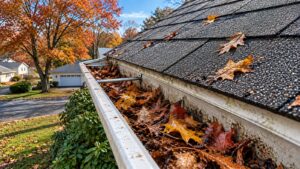
Mosquitoes also benefit when clogged gutters hold water under leaves.
Shade near the roofline keeps that water cooler and more stable, which helps breeding conditions stick around.
Mosquitoes love a yard that stays damp longer than the yard next door.
Shade is often the hidden reason dampness hangs on.
The biggest mistake homeowners make
Mosquitoes are getting treated in the wrong place by a lot of DIY attempts.
Shade zones get skipped, so adults keep resting safely.
Mosquitoes do not spend the day standing on the top of a lawn.
Shade under leaves is the target that matters for adult control.
Mosquitoes can be reduced quickly when the right areas get treated.
Shade-focused targeting is what separates “I sprayed something” from “my yard feels different.”
A simple way to find your mosquito hiding zones
Mosquitoes hide where you would hide if you hated sun and wind.
Shade that feels cool at noon is a clue.
Mosquitoes rest where you see still leaves and still air.
Shade inside hedges is another clue, because you can feel the humidity when you step close.
Mosquitoes also cluster where the ground stays damp under plants.
Shade under thick shrubs is often the “center of gravity” for the biting problem.
Mosquitoes often sit on the underside of leaves, so flipping a branch and seeing small insects scatter is a useful hint.
Shade along the perimeter is usually where the action is, not the center of the lawn.
Why arborvitae can be a mosquito magnet
Mosquitoes love arborvitae because it creates a protected tunnel of shade.
Shade inside that wall stays humid even when the sun is blasting elsewhere.
Mosquitoes can rest there all day without getting dried out.
Shade also blocks airflow, so mosquitoes can sit comfortably without fighting wind.
Mosquitoes then come out at dusk and hit the patio, the deck, and the back door areas first.
Shade-heavy borders are why the first five minutes outside can feel like an ambush.
What “good mosquito control” actually targets
Mosquito control is not lawn care.
Shade vegetation is the main adult resting target.
Mosquito control is also not just “fog and go.”
Shade mapping plus breeding control is how the yard stops reloading.
Mosquito Enemy’s foundation program is our Mosquito + Tick Control service, built around real yard behavior, not brochure talk.
Shade resting zones get the attention because that’s where adult mosquitoes hang out between bites.
Mosquito Enemy also offers the missing piece most companies ignore, which is breeding control.
Shade comfort means nothing if new mosquitoes hatch every week, so the breeding side has to be addressed too.
Mosquito Enemy’s breeding add-on is Mosquito Egg & Larvae Control, designed to stop eggs and larvae in water sources from becoming biting adults.
Shade-targeted adult control plus breeding control is how you attack 3 of the 4 mosquito life stages.
Pupae remain the exception because pupae do not feed, so control is limited at that stage by biology.
The mosquito life cycle in plain English
Mosquitoes have four stages: egg, larva, pupa, and adult.
Shade is where the adult stage survives and waits.
Mosquitoes lay eggs near water or right at the water line.
Shade slows drying and helps water stay around long enough for development.
Mosquitoes in the larva stage feed in water, which is why larvicide work can be effective in the right places.
Shade is not required for larvae, yet shade often keeps the breeding site stable longer.
Mosquitoes in the pupa stage do not feed, which is why pupa control is limited.
Shade is where the adults rest so they can keep flying, feeding, and reproducing.
Why shade makes mosquito problems feel personal
Mosquitoes don’t need your whole yard.
Shade pockets are enough to keep the problem alive.
Mosquitoes can live in a tight corner and still ruin a full property, because people walk past that corner all day.
Shade near doors and walkways is why bites feel like they start the second you step outside.
Mosquitoes also follow people.
Shade resting zones near patios set up the same routine every evening: come out, bite, go back into the greenery.
What you can do with landscaping without ruining your yard
Mosquito control does not mean tearing everything out.
Shade just needs a little airflow and light to become less comfortable for mosquitoes.
Mosquitoes like dense, untouched plantings.
Shade becomes less attractive when you thin shrubs and open the canopy a bit.
Mosquitoes struggle more when air moves through the hedge line.
Shade becomes less “safe” when sunlight hits the ground and dries it out faster.
Mosquitoes also hate fans on patios.
Shade plus moving air is still better than shade plus still air, and that’s a quick win for outdoor comfort.
Personal protection that fits real life
Mosquito control is about the yard, but bite prevention is still smart when pressure is high.
Shade evenings are when people tend to get caught off guard.
Mosquito repellents work best when you use an EPA-registered product and follow the label.
Shade parties and dusk hangs are easier when repellent is part of the plan.
Mosquito repellent selection can be simple using the EPA tool: EPA: Find the Repellent That’s Right for You.
Shade risk is also why CDC keeps a straightforward prevention page for mosquitoes and ticks: CDC: Prevent Mosquito and Tick Bites.
A word about rain and how treatments hold up
Mosquito control in New England has to survive weather.
Shade and water both show up after storms, and that’s where programs can fall apart if they’re not built right.
Mosquito Enemy includes Rain Shield in every application.
Shade areas can bead water on leaves, so Rain Shield helps reduce surface tension so product spreads evenly instead of beading up.
Mosquito Enemy also uses Rain Shield to help the application bond faster and dry quicker for better coverage.
Shade-friendly protection matters because Rain Shield helps protect the application from rain or sprinklers and provides weather room through up to about 12 inches of rainfall before washout would be expected.
Mosquito pressure after storms is why this matters in real life.
Shade resting zones stay loaded if the barrier doesn’t hold.
What to do if your yard is “mostly shade”
Mosquitoes love shade-heavy properties, yet those yards can still become comfortable.
Shade strategy plus schedule is the answer.
Mosquitoes get controlled when the resting areas are treated correctly.
Shade gets managed when airflow and light improve in the worst corners.
Mosquitoes get reduced further when breeding sites are handled, including hard-to-fix water sources.
Shade becomes less dominant when you stop letting damp pockets stay damp for days.
Mosquitoes also decrease when gutters stop acting like hidden nurseries, which is why gutter cleaning is a bigger mosquito tool than most people realize.
Shade doesn’t need to disappear, it just needs to stop being a perfect resting hotel.
A quick tick note, because shade affects ticks too
Mosquito talk dominates summer, yet ticks don’t stop because mosquitoes are annoying.
Shade and humidity also help ticks survive in vegetation.
Mosquito Enemy can handle both pests through our combined programs, which is why the Mosquito + Tick Control page is the best starting point for most homeowners.
Shade hikes and yard work still deserve tick checks afterward, and CDC’s guidance is clean and simple here: CDC: What To Do After a Tick Bite.
The bottom-line truth
Mosquitoes hide during the day so they can bite you at night.
Shade is where that hiding happens.
Mosquito control works best when you treat where mosquitoes rest and you stop new mosquitoes from hatching.
Shade management plus breeding control is how the yard stops reloading.
Mosquito Enemy is built around mosquito biology, not luck, and that’s why our programs focus on the life cycle and the real hiding zones.
FAQs
Where do mosquitoes hide during the day?
A: Mosquitoes hide in cool, shaded, humid areas where wind is blocked. Thick shrubs, hedges, and tree lines are common resting zones.
Details: Adult mosquitoes often rest on the underside of leaves during daylight hours. Shaded pockets near patios and property edges often create the worst bite pressure at dusk.
Do mosquitoes live in the grass?
A: Mosquitoes usually do not spend the day in the middle of a sunny lawn. Shaded vegetation and protected edges are far more attractive to them.
Details: Adult mosquitoes rest where they can avoid sun and wind. Barrier treatments work best when they target those shaded resting areas, not open lawn space.
Why do arborvitae hedges make mosquito problems worse?
A: Arborvitae hedges create dense shade and still air that mosquitoes love. That tunnel effect gives mosquitoes a comfortable resting zone all day.
Details: Thick hedges trap humidity and block wind. Evening biting often gets worse near those borders because mosquitoes are already resting right there.
What is the best mosquito treatment for shaded yards?
A: A targeted barrier treatment that focuses on shaded resting zones is the best starting point. Consistent scheduling is what keeps results steady.
Details: Adult control reduces the biting mosquitoes hiding in vegetation. Breeding control helps stop the next wave from hatching in nearby water sources.
Does removing standing water help if mosquitoes are hiding in shade?
A: Yes, removing standing water helps because it cuts off mosquito breeding. Fewer new mosquitoes means less pressure in the shaded resting zones.
Details: Water is where eggs and larvae develop into adults. Shade then becomes the place those adults rest, so both sides of the problem must be handled for real relief.
Top towns we service
Here are 16 of the top towns we service every week.
Amesbury
Andover
Boxford
Byfield
Georgetown
Groveland
Haverhill
Ipswich
Merrimac
Newbury
Newburyport
North Andover
Rowley
Salisbury
Topsfield
West Newbury
Don’t see your town? We likely still service it. See our full Service Area.
Related resources
Start with Mosquito + Tick Programs
Add this for tougher yards Mosquito Egg & Larvae Control
Ticks ONLY Tick Control
Home protection Home Shield
Stinging insects Stinging Insect
Rodents Rodent Control
Gutter Cleaning Gutter Cleaning
Reach us Contact us
Get Your Free Quote
Call/Text: 888-229-0095 | Email: jeff@mosquitoenemy.com | Contact us
“It’s More Fun Outside”! with Mosquito Enemy.