Topsfield properties can support ticks wherever wooded edges, leaf litter, shade, wildlife hosts, and frequently used outdoor spaces meet. A yard can look well maintained through the center and still contain protected tick habitat around its perimeter. Mosquito Enemy’s tick control service focuses on those transition areas instead of treating a Topsfield lawn as one uniform surface.
Wooded Edges Create Productive Tick Habitat
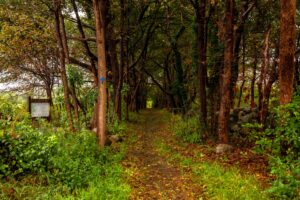
Blacklegged ticks need protection from drying conditions. Leaf litter, low vegetation, brush, and shaded soil help hold humidity close to the ground. The boundary where a lawn meets woods often combines that shelter with regular movement by people, pets, deer, and smaller animals.
These edges are easy to overlook. The sunny middle of the lawn may feel like the obvious place to evaluate, yet ticks commonly wait closer to brush, stone, leaves, and low branches. A dog following the property line or a child retrieving a ball from the edge can enter that zone within seconds.
Stone Walls and Old Borders Offer Shelter
Stone walls are common visual features across Essex County landscapes. Gaps between stones provide cover for small animals, and leaves collect along the base. Ticks benefit from the shaded, protected conditions around these structures and from the hosts that travel beside or through them.
Fence lines, stacked wood, shed edges, and overgrown rock borders can create similar conditions. The goal is to recognize the combination of shelter, moisture, and traffic. A bare stone in full sun presents a different environment from a shaded wall covered by vines and surrounded by deep leaves.
Wildlife Moves Ticks Through the Landscape
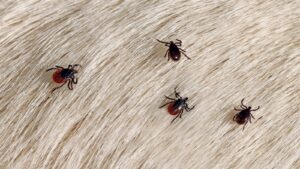
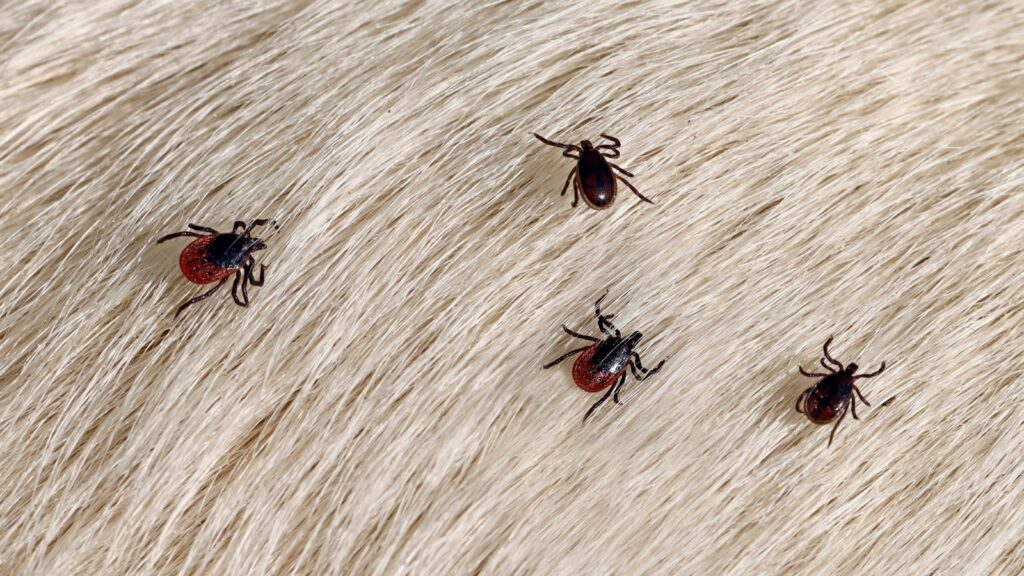
Ticks use animals during different stages of their life cycle. Small mammals and birds can carry young ticks, while adult blacklegged ticks often feed on deer and other larger hosts. Wildlife paths therefore influence where ticks appear within a yard.
Eliminating wildlife from an open landscape is unrealistic. Homeowners can still reduce attractants and limit close contact. Secure trash, manage spilled birdseed, keep woodpiles organized, and trim dense growth beside high-use areas. These changes make the yard easier to inspect and reduce sheltered routes next to patios, play spaces, and doors.
Leaf Litter Protects Ticks From Dry Air and Cold
Leaves hold moisture and buffer temperature changes near the soil. That layer helps ticks survive conditions that would be harsher on an exposed surface. Fall accumulation also expands sheltered habitat along woods, shrubs, retaining walls, and ornamental beds.
Focus removal on the places your household uses. Clear leaves from lawn edges, paths, play equipment, dog runs, seating areas, and the strip beside a wood line. Move collected leaves to a managed area away from routine foot traffic. A broad woodland area can retain natural leaf cover while the residential portion of the property receives more deliberate maintenance.
Fall Activity Can Make the Problem Feel Sudden
Adult blacklegged ticks become active in fall and may continue searching for hosts on mild days. That seasonal pattern overlaps with leaf cleanup, hiking, dog walking, firewood handling, and other outdoor work. The result can be several encounters during a period when many people expect insects and ticks to disappear.
A cold night offers limited reassurance. Leaf litter and snow insulate ticks near the ground, and warmer daytime conditions can restart movement. Keep performing tick checks through October and November and during winter thaws.
Yard Layout Changes Exposure
Two neighboring Topsfield homes can have very different tick patterns. One property may have a sunny open lawn with a narrow wooded boundary. Another may include stone walls, dense shrubs, mature trees, groundcover, and several shaded routes used by pets. The second layout provides more places where ticks can remain protected and meet a host.
Use paths and barriers to guide movement away from risky edges. A dry strip of wood chips, gravel, or another appropriate landscape material can separate a lawn from woods where the site allows. Place play equipment and seating away from brush. Trim vegetation that reaches into walkways, and keep branches from closing in around frequently used spaces.
Personal Protection Remains Part of the Plan
Landscape work reduces contact opportunities, but people and pets still travel beyond the treated or maintained yard. Wear suitable clothing near brush and woods, use repellents according to their labels, and complete a full-body check after outdoor time. Check pets carefully and follow veterinary guidance for ongoing protection.
Prompt removal reduces the time an attached tick can feed. Use fine-tipped tweezers, grasp close to the skin, and pull upward steadily. Save a clear photo or the tick in a sealed container if identification may be useful. A healthcare professional can answer questions about symptoms, testing, and medical care.
Treatment Should Match the Property
Mosquito Enemy serves Topsfield and the surrounding Essex County area. Our liquid tick treatments focus on lawn edges, brush lines, stone walls, shady areas, and routes used by people and pets. Granular treatment may suit wooded lots, leaf-litter zones, and other protected areas. Some properties may benefit from combining approaches as part of a seasonal program.
A careful property review helps direct service toward likely habitat. Mosquito and tick control in Topsfield can then account for the specific mix of woods, stone, shade, moisture, and outdoor use around the home.
Track Where Ticks Are Found
A simple location record can improve the property assessment. Note whether each tick was found on a person, pet, piece of clothing, or indoor surface. Add the outdoor route used beforehand and the nearest yard feature. Several discoveries linked to the same dog path, stone wall, or wooded access point can guide maintenance and treatment.
Indoor discoveries often begin outdoors. Check pet bedding, entry mats, and clothing after time in the likely habitat. Finding one tick on a floor offers limited information by itself, so connect the sighting to recent outdoor movement before deciding where the problem begins.
High tick numbers usually reflect a network of suitable habitat and animal movement rather than one isolated feature. If ticks keep appearing on your family or pets, contact Mosquito Enemy for a Topsfield tick-control plan focused on the areas where contact is most likely.