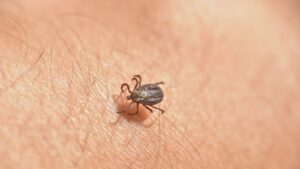
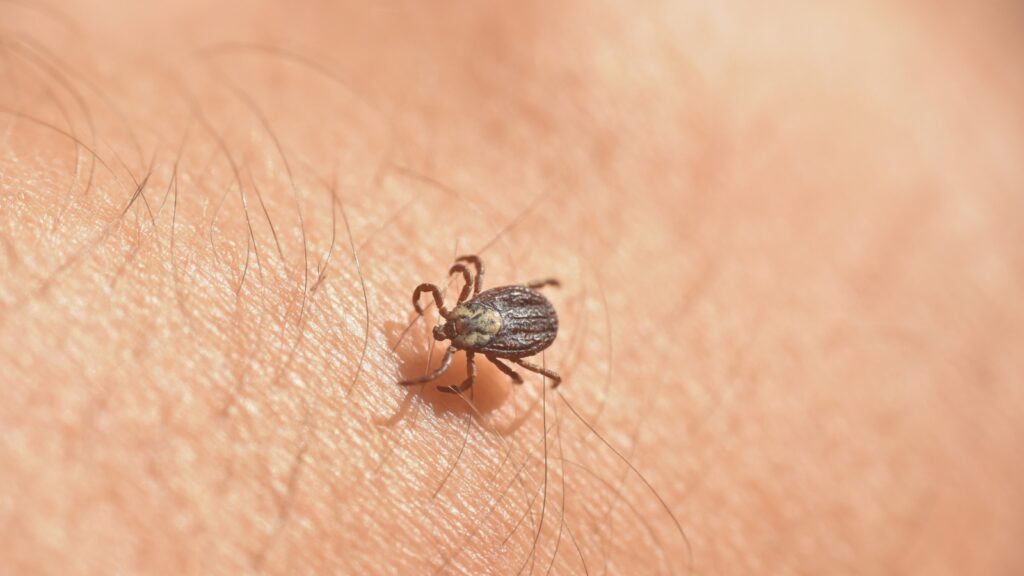
October and November are active tick months in Massachusetts, especially for adult blacklegged ticks. Cooler weather may slow ticks during cold stretches, yet a mild afternoon can bring them back onto low vegetation where they wait for a passing person or animal. Mosquito Enemy provides professional tick control for Massachusetts yards during this important part of the season.
Fall Brings a Second Period of Tick Activity
Many homeowners associate ticks with late spring and summer. That connection makes sense because people spend more time outdoors and young blacklegged ticks are active during warm weather. Fall creates a different pattern. Adult blacklegged ticks become easier to encounter from October into November, and Massachusetts public-health reporting shows a second seasonal rise in tick activity during these months.
Adult ticks are larger than nymphs, although they can still blend into dark clothing, pet fur, leaf litter, and soil. They often wait on grass, low brush, and vegetation along travel routes. A person raking leaves, walking a dog, stacking firewood, or clearing a wooded edge can brush against the spot where a tick is waiting.
Temperature Changes Activity From Day to Day
Ticks rely on outside conditions, so their activity can change within the same week. Freezing nights may keep blacklegged ticks sheltered near the ground. A warmer, dry day can allow them to begin searching for a host again. Snow cover and leaf litter also create insulated spaces that protect ticks from direct exposure to cold air.
This day-to-day pattern explains why a quiet week can be followed by a new tick found on a dog or a family member. The calendar alone cannot determine whether a yard is clear. Daily temperature, ground conditions, shade, moisture, and suitable habitat all influence what happens around a particular property.
Leaf Cleanup Can Increase Human Contact
October and November bring yard work into the same places where ticks often shelter. Leaves collect along fence lines, beneath shrubs, beside stone walls, and where lawns meet woods. Homeowners then walk through those areas to rake, blow, bag, or move the leaves. The work can increase contact with vegetation and ground cover even when the yard looks less active than it did in summer.
Wear long pants and closed shoes for fall cleanup. Light-colored clothing makes a crawling tick easier to spot. Keep work gloves separate from indoor clothing, and check clothing before entering the house. Follow product labels when applying a repellent to skin or clothing. A shower and a full tick check after outdoor work add another practical layer of protection.
Pets Can Pick Up Ticks Late in the Year
Dogs continue to explore brush, lawn edges, leaf piles, and trails throughout fall. Their coats can conceal ticks that later crawl onto furniture or attach to another animal or person. Check around a pet’s ears, collar, legs, toes, tail, and belly after outdoor time. Continue the tick-prevention plan recommended by your veterinarian through the period your pet remains exposed.
Yard conditions and veterinary prevention address different parts of the problem. Pet products protect the animal according to their labels, while yard care reduces contact opportunities in the places people and pets use. Combining those steps creates a stronger fall routine.
Focus Cleanup Where People Spend Time
A fall tick plan starts with the parts of the yard that receive regular use. Keep grass trimmed. Cut back brush that leans into play areas, walkways, patios, and dog routes. Move loose leaf piles away from the lawn and the paths your household follows. Stack firewood neatly in a dry area away from frequently used entrances.
Wooded properties can retain some leaf cover for soil and habitat while keeping high-use zones clearer. Concentrate cleanup beside the lawn, around seating areas, under play equipment, and along the routes used to reach sheds or compost areas. This targeted approach reduces close contact with sheltered edges without requiring every leaf to disappear from the property.
A Tick Check Works Best When It Follows a Routine
Check promptly after gardening, hiking, leaf cleanup, dog walking, or time near brush. Start with places that are easy to miss: behind the knees, around the waist, under the arms, at the hairline, around the ears, and between the legs. Check children and pets carefully. Place outdoor clothing in a designated area instead of dropping it on a bed or upholstered chair.
If you find an attached tick, remove it promptly with fine-tipped tweezers. Grasp close to the skin and pull upward with steady pressure. Clean the bite area and your hands afterward. Contact a healthcare professional when you have questions about the bite, symptoms, identification, or whether medical guidance is appropriate.
Professional Treatment Targets Fall Habitat
Effective yard service focuses on the areas ticks are likely to use. At Mosquito Enemy, our tick programs can include liquid barrier applications around lawn edges, brush, stone walls, shady areas, and travel routes. We also offer a granular option that works in soil, undergrowth, wooded borders, and leaf-litter areas. Property layout, vegetation, household activity, and the time of season help determine the appropriate approach.
A technician can also identify places where routine maintenance may reduce future contact. The middle of a sunny lawn usually presents a different concern than a damp transition beside woods. Treating every square foot the same would overlook the locations that deserve the closest attention.
Keep Notes When Encounters Continue
Record the date, weather, yard location, and whether the tick was crawling or attached. Include the activity that occurred before the discovery, such as leaf cleanup, a trail walk, or time beside a woodpile. A short log can reveal that encounters cluster around one path or property edge. It also gives a technician clearer information than a general report that ticks appear everywhere.
Photograph the tick against a plain background if identification is needed. Keep household health questions separate from the yard evaluation and direct them to a medical professional or veterinarian. The service visit can then stay focused on habitat, movement, and exposure around the property.
October and November still require a tick-aware routine in Massachusetts. Keep checking people and pets, manage the high-use edges of the yard, and pay attention whenever mild weather follows a cold stretch. If you want help reducing ticks around the places your household uses, contact Mosquito Enemy about fall tick control.