
How to Get Rid of Mosquitoes in Your Yard Fast
Fast mosquito relief comes from reducing breeding water while targeting adult resting zones at the same time. Jeff explains what homeowners can do immediately and where professional treatment fits.

Fast mosquito relief comes from reducing breeding water while targeting adult resting zones at the same time. Jeff explains what homeowners can do immediately and where professional treatment fits.

Mosquito yard treatments can work when they target the right resting habitat and are paired with standing-water control and consistent timing. Jeff explains realistic results and what a treatment cannot promise.

Mosquitoes often spend the day in cool, shaded, humid parts of the yard such as shrubs, hedges and protected edges. Jeff explains where they hide and why targeting resting zones matters.

Mosquitoes often get worse after rain because storms create fresh standing water for eggs and larvae while humidity helps adults survive. Jeff explains what to check after a storm and what homeowners can control.
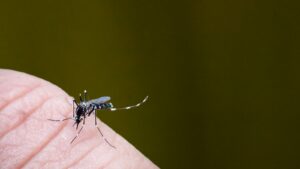
Wet springs can set Massachusetts up for a heavier mosquito season by filling breeding habitat before summer heat arrives. This article explains how early moisture, standing water and warm weather can accelerate population growth.

Bad mosquito years in Massachusetts and New Hampshire usually come from a combination of heat, rain, breeding water and accumulated late-summer pressure. Jeff explains why one season can feel dramatically worse than another.

Testing a removed tick may help identify the species, but CDC does not recommend using tick-test results to diagnose human illness. Jeff explains what tick testing can and cannot tell you and when medical follow-up matters.

After a tick bite, prompt removal and watching for symptoms matter. Jeff explains when a rash, fever or other symptoms should trigger medical care and why a healthcare provider decides whether preventive antibiotics are appropriate.
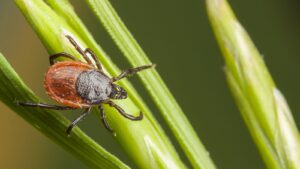
Powassan virus is uncommon but serious and occurs in the Northeast. Jeff explains symptoms, the importance of prompt tick removal and checks, and why preventing blacklegged-tick bites matters.
Asian longhorned ticks are established in Massachusetts and can reproduce without mating. Jeff explains what CDC currently knows about their U.S. disease risk, why pets and livestock matter, and how homeowners can reduce tick exposure.