
I’m Jeff, your local pest control guy.
Every fall, the same belief shows up.
“School is back, so mosquitoes must be done.”
Reality doesn’t care about the school calendar.
Evenings can still turn bitey until cold weather finally shuts the whole thing down.
Homeowners ask me the same question with real frustration in their voice.
“Jeff… why are mosquitoes still out?”
Quick answer
Mosquito season lasts until the first hard frost because hard cold is what stops adult activity and ends breeding for the season.
Warm nights in September and October keep mosquitoes active, especially in shaded, humid yards with leftover standing water.
Comfort improves when you keep dumping breeding water, treat the shaded resting zones, and stay consistent with your schedule.
Related reading
Mosquito Exterminator: MA/NH Season Start and End
Climate Change Extends Mosquito & Tick Season | MA & NH
In the Greater Lowell + Route 3 / I-495 Corridor (MA), fall mosquitoes are common because shaded neighborhoods hold humidity and water pockets after storms.
Serving the North Shore & Merrimack Valley, MetroNorth, Greater Lowell/I-495, and Southern New Hampshire.
Frost is the real finish line
A true hard frost is when overnight temperatures drop low enough to knock adult mosquitoes down fast.
Cold damages their bodies and shuts down feeding like flipping a switch.
Morning chill doesn’t always count, because a yard can warm back up and the biting can return at dusk.
Hard frost matters because it hits the whole day, not just a short early-morning window.
First frost timing also varies more than people realize.
Many years see first frost after the third week of October, yet some seasons don’t see it until November.
That timing is why “October mosquitoes” are a normal thing in Massachusetts and New Hampshire.
Mild falls stretch the season and make late bites feel extra irritating.
Microclimates make your yard different than your weather app
Yards don’t cool the same way open fields cool.
Houses, pavement, stone walls, and thick landscaping hold heat and release it overnight.
Some properties also sit in a sheltered pocket where wind can’t move, so the air stays calmer and warmer near the ground.
Other properties drain cold air downhill, which is why one street frosts while the next street stays bitey.
A shaded backyard can also hold humidity longer.
Humidity is a big deal because mosquitoes dry out faster in dry air.
Moist air helps them survive and hunt longer, even when the day felt “nice and cool.”
That’s one reason people feel surprised by fall bites.
Fall mosquitoes usually come from two things
Standing water keeps the breeding side alive.
Dense vegetation keeps the adult resting side comfortable.
Both together can keep mosquito pressure hanging on for weeks after you thought the season was over.
Once one gets removed, comfort improves fast.
What is still breeding in September
Small water sources keep breeding going longer than people expect.
Buckets still count, because rain refills them overnight.
Tarps still count, because sagging tarps hold puddles like little ponds.
Plant trays still count, because water sits under the pot in shade.
Birdbaths still count, because eggs cling above the water line and hatch after refilling.
Old toys still count, because they collect water without looking dirty.
Roofline water counts too, and that surprises people.
Clogged gutters can hold hidden water for days under leaf debris.
Downspout splash zones can also hold puddles near the foundation after storms.
Both spots can keep producing adults even when the lawn looks dry.
Why shaded yards keep biting longer
Adult mosquitoes don’t hang out in the middle of a sunny lawn.
Dense shrubs, hedges, and tree lines are the daytime resting hotel.
Still air inside thick landscaping helps mosquitoes rest without fighting wind.
Humid air under leaves helps them avoid drying out.
Under-deck corners matter too.
Low shaded areas stay damp longer and feel “safe” to adults.
That’s why dusk can still feel like an ambush even in early October.
Resting zones load up during the day, then feeding happens when you step outside.
A fall warm spell can restart the biting
One cool week can fool you into thinking you’re done.
A warm stretch right after that can bring the bites right back.
Mosquitoes take advantage of the first calm warm evening.
People take advantage of the first calm warm evening too, which creates the perfect collision on patios and decks.
That pattern is why your plan should not be “stop everything on a date.”
A smarter plan is “stay protected while mosquitoes are still active.”
Comfort is the goal, not a calendar win.
Consistency keeps you from getting surprised.
The weekly routine that keeps fall mosquitoes from reloading
Pick one day each week and do a quick loop around your property.
Dump any standing water you find.
Flip containers that can hold water.
Scrub birdbaths and refill them, because eggs cling above the waterline.
Tighten tarps or remove them so puddles cannot form.
Empty plant trays and store buckets upside down.
Walk downspout areas and fix puddles near the foundation.
Look up at gutters when leaves start dropping.
That leaf soup up there is not just a house problem, it can be a mosquito problem.
Mosquito Enemy offers gutter cleaning with a ladder-free SkyVac setup that captures debris instead of blasting it onto windows and landscaping.
This SkyVac service removes a breeding source most homeowners never see until they feel the bites.
Personal protection still matters in fall
Repellent protects the person.
EPA’s selector makes product choice simple for mosquitoes and ticks: EPA: Find the Repellent That’s Right for You.
Fans help patios too, because mosquitoes struggle in moving air.
Looser clothing can reduce bites compared to tight thin fabric.
Why “mosquito control near me” stays popular in September
A candle can help a tiny bubble.
Loaded yards overwhelm tiny bubbles fast.
People search mosquito control near me in fall because they want weekends back, not a science project.
Reliable control reduces the pressure that makes every evening feel stressful.
How Mosquito Enemy approaches fall control
Our foundation program is Mosquito + Tick Control.
Barrier targeting focuses on shaded resting zones where adult mosquitoes hide during the day.
Tougher properties often need breeding control too, because water keeps producing new adults.
Our add-on for that is Mosquito Egg & Larvae Control, which targets eggs and larvae with larvicides in breeding areas.
Mosquito life stages explain why that pairing works.
Eggs and larvae live in water, while adults live in shade and edges.
Pupae do not feed, so control is limited at that stage by biology.
Adult control plus breeding control targets 3 of the 4 stages, with pupae as the one stage that remains the exception.
Scheduling is what keeps results stable.
Mosquito Enemy runs a 21-day rhythm for our synthetic program in-season, and a tighter 14-day rhythm for our all-natural program.
Those schedules match how products behave outdoors and how quickly mosquitoes can reload a yard in warm weather.
Consistency turns a good week into a good season.
Rain, sprinklers, and Rain Shield
Water exposure is real in New England, especially during fall storms.
Heavy rain over time can wear down a barrier application.
Mosquito Enemy includes Rain Shield in every application.
Rain Shield reduces water surface tension so product spreads evenly instead of beading up.
Bonding speed matters, so Rain Shield helps the application bond faster and dry quicker for better coverage.
Weather room is the goal, and Rain Shield helps protect performance through up to about 12 inches of rainfall or sprinkler/irrigation water before washout would be expected.
Quick showers after treatment usually do not mean everything washed off.
Why rain can make September feel like August again
Rain is not just water on your driveway.
Storms refill dozens of tiny breeding spots in one shot.
Warm fall air can still turn eggs into biting adults faster than people expect.
That is why the worst bites often show up several days after a storm, not the same night.
Moist shade slows evaporation, so those small water sources stay active longer.
A wet week followed by calm evenings is the classic recipe for a fall surprise.
Leaf season creates mosquito problems you don’t see
Leaves are not just a raking issue.
Wet leaf piles hold moisture like a sponge and keep corners damp.
Damp corners support adult resting, and they also keep tiny puddles from drying.
Roof valleys drop grit and leaves into gutters faster in September and October.
Clogged troughs trap water, then mosquitoes treat it like a nursery.
Downspouts can also clog and spill water right where you walk, which keeps the foundation area wet.
Muddy splash zones create low puddles that stick around after every rain.
The fall decision that saves the most headaches
Stopping too early is the number one fall regret I hear.
A couple warm weeks can bring the bites right back, then people feel trapped again.
Keeping protection through the active window is usually the better move.
Frost ends the season, yet warm stretches before frost can keep the yard active.
Scheduling is what prevents that one-good-week, one-bad-week cycle.
Consistency also matters because breeding water does not care that it is “fall.”
How to know your season is truly ending
Bite pressure dropping for a day is not proof the season ended.
Real cold nights stacking up is the real proof.
Hard frost that hits multiple nights is the kind of weather that shuts adult activity down for good.
Microclimates can delay that shutdown, especially in sheltered backyards.
Patios near hedges can stay warmer and calmer than open streets, which helps mosquitoes hang on longer.
A quick check is simple: if you still get bites at dusk, the season is still alive.
What to do with standing water you cannot eliminate
Some properties have water that you cannot fully dump or drain.
Low wet edges, drainage swales, and damp pockets can stay active after storms.
Breeding control is built for that situation, because it targets eggs and larvae where water keeps returning.
Mosquito Enemy offers that support through Mosquito Egg & Larvae Control as an add-on to the barrier program.
That add-on strengthens the yard so you are not relying on adult knockdown alone.
Fall is also the setup time for next spring
Leaving buckets out now is like planting mosquitoes for May.
Storing toys dry now prevents the same water pockets from refilling in spring rain.
Clearing gutters now prevents leaf soup from holding water in April.
Drainage fixes done in fall help all year, because water management is mosquito management.
A calm spring often starts with an honest fall cleanup.
Fall outdoor comfort tips that actually work
Fans on patios are a simple win because mosquitoes are weak flyers.
Earlier dinners reduce exposure to the dusk bite window.
Long sleeves help when pressure is heavy, especially thin fabric that can be bitten through.
Water cleanup a day or two before guests arrive reduces the next hatch showing up during your weekend plans.
Two weeks before frost: the easiest wins
Keep kids’ toys and sports gear off the lawn overnight, because cups and channels hold rainwater.
Move firewood and junk piles away from seating areas, because shaded clutter creates calm resting pockets.
Trim a little along the patio edge, because opening light and airflow reduces daytime hiding comfort.
Handle fall mosquitoes like spring mosquitoes, because the same breeding containers cause the same headache.
Early fall is when small fixes give the biggest payoff.
Get rid of any water-holding junk now, because the next rain will refill it immediately.
Open airflow in the worst shade pockets, because still air keeps adults comfortable.
Run a fan near seating at dusk, because landing becomes harder for mosquitoes.
Keep the schedule steady until activity stops, because the final warm spell is when people get surprised.
Do a quick evening check once a week, because dusk biting is the simplest “season still active” test.
Trust your skin more than your calendar, because bites are the real signal.
Old birdbaths, forgotten planters, and blocked drains don’t care what month it is, so the fix is the same every season: dump, scrub, drain, and repeat.
Safety, pets, and bees
Safety questions are normal.
Dry time is the simple rule for people and pets returning to treated areas.
Honey bees that make honey are protected, and Mosquito Enemy does not kill honey bees that make honey.
Relocation by a local beekeeper is the right solution when a honey bee hive shows up.
A quick tick note
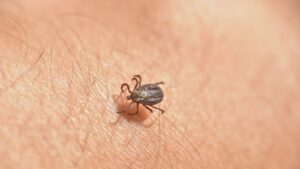
Ticks stay active into fall, especially in shade and leaf litter.
Separate tick-only service is available through Tick Control when ticks are the main concern.
Daily tick checks remain smart after yard time, dog walks, and outdoor work.
What to do after the season ends
Fall cleanup is a spring gift.
Storing buckets upside down eliminates the same breeding sites that restart the season every year.
Draining plant trays and tossing old tarps removes easy nurseries before spring rain returns.
Clearing gutters removes leaf debris that holds water during early spring storms.
Mosquito problems repeat when the same water sources repeat.
Simple cleanup breaks that loop.
A calmer spring starts with a cleaner fall.
That is how you win two seasons with one habit.
Bottom line
Mosquito season lasts until frost because cold is what finally shuts down adult activity and breeding.
Warm September and October nights can keep biting going longer than people expect.
A weekly water cleanup plus a consistent program keeps fall evenings comfortable.
Outdoor time should end when you decide it ends, not when mosquitoes decide it ends.
FAQs
When does mosquito season end in Massachusetts and New Hampshire?
A: Mosquito season usually ends after the first hard frost shuts down adult activity. Warm falls can stretch the season later than people expect.
Details: Many years see first frost after the third week of October, and some years it doesn’t arrive until November. Mild nights before that frost can keep mosquitoes active at dusk.
Why are mosquitoes still biting in October?
A: Mosquitoes can stay active when nights remain mild and yards stay humid. Shade and leftover standing water keep the cycle going.
Details: Dense shrubs provide daytime resting zones that stay warmer than open areas. Small water sources like trays, tarps, and clogged gutters can keep producing mosquitoes late in the season.
Should I keep mosquito treatments going into fall?
A: Staying on schedule through the active season protects the best outdoor weeks. Stopping too early can let the yard reload during warm fall spells.
Details: Our core program is Mosquito + Tick Control, and breeding help is available through Mosquito Egg & Larvae Control. Adult control plus breeding control is how comfort stays stable into early fall.
Do gutters really affect mosquito season length?
A: Clogged gutters can hold hidden water that keeps breeding going longer. Fall leaf drop can make that problem worse quickly.
Details: Regular gutter cleaning removes that hidden nursery and restores drainage. Better flow also reduces puddles under downspouts that can stay wet in shade.
What can I do this week to reduce fall mosquitoes?
A: Dump standing water, scrub birdbaths, tighten tarps, and empty plant trays. Use a fan at seating areas to reduce landings fast.
Details: Small water sources still produce mosquitoes in early fall. Consistent treatment keeps adult resting zones from reloading between visits.
Top towns we service
Here are 16 of the top towns we service every week.
Don’t see your town? We likely still service it. Check our full Service Area.
Related resources
Start with Mosquito + Tick Programs
Add this for tougher yards Mosquito Egg & Larvae Control
Ticks ONLY Tick Control
Home protection Home Shield
Stinging insects Stinging Insect
Rodents Rodent Control
Gutter Cleaning Gutter Cleaning
Reach us Contact us
Call/Text: 888-229-0095 | Email: jeff@mosquitoenemy.com | Contact us
“It’s More Fun Outside”! with Mosquito Enemy.