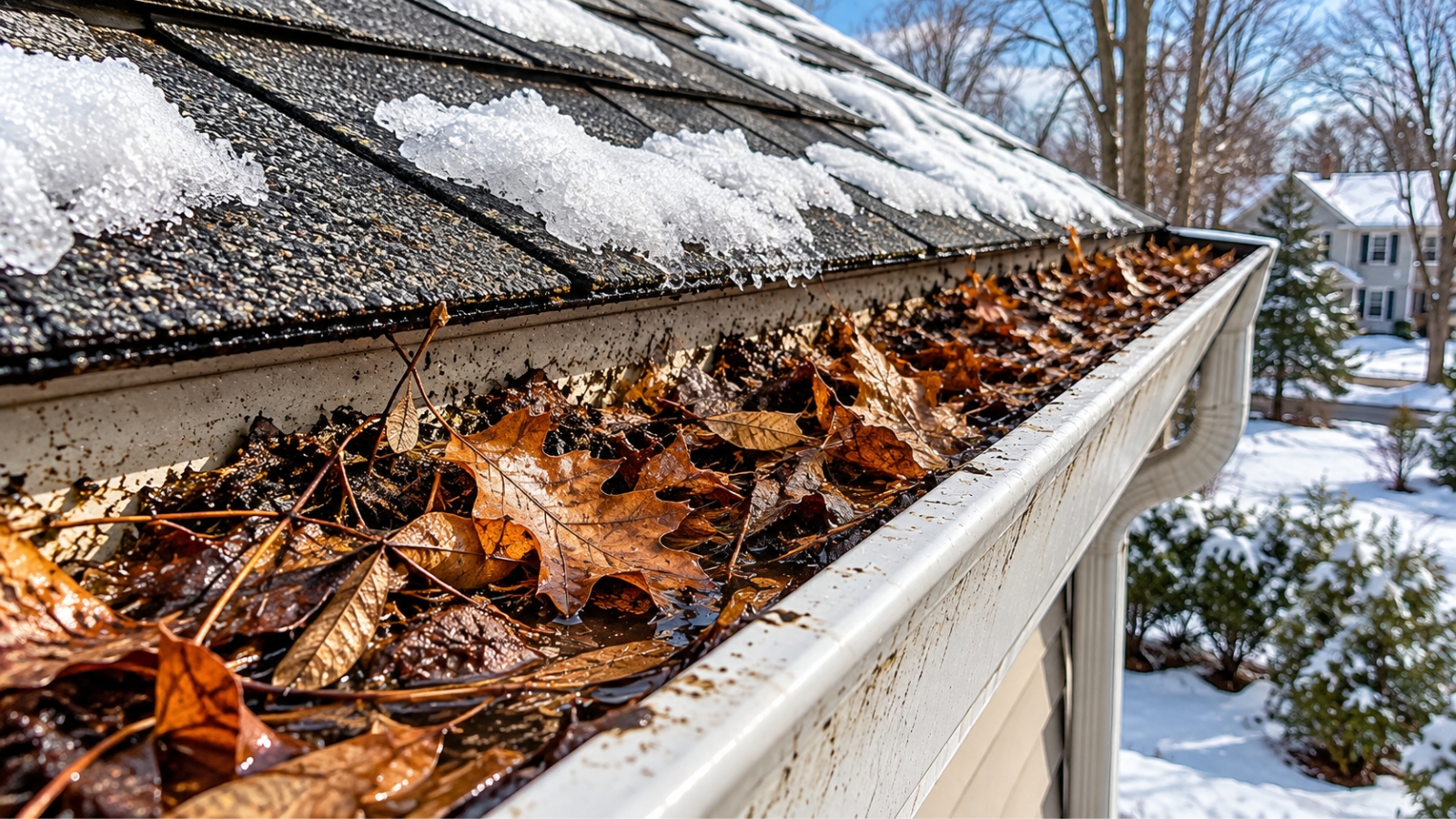
What Happens If You Don’t Clean Your Gutters Before a New England Winter?
Gutters filled with leaves and debris can hold water, overflow beside the house, freeze into heavy blockages, and send winter […]

Gutters filled with leaves and debris can hold water, overflow beside the house, freeze into heavy blockages, and send winter […]
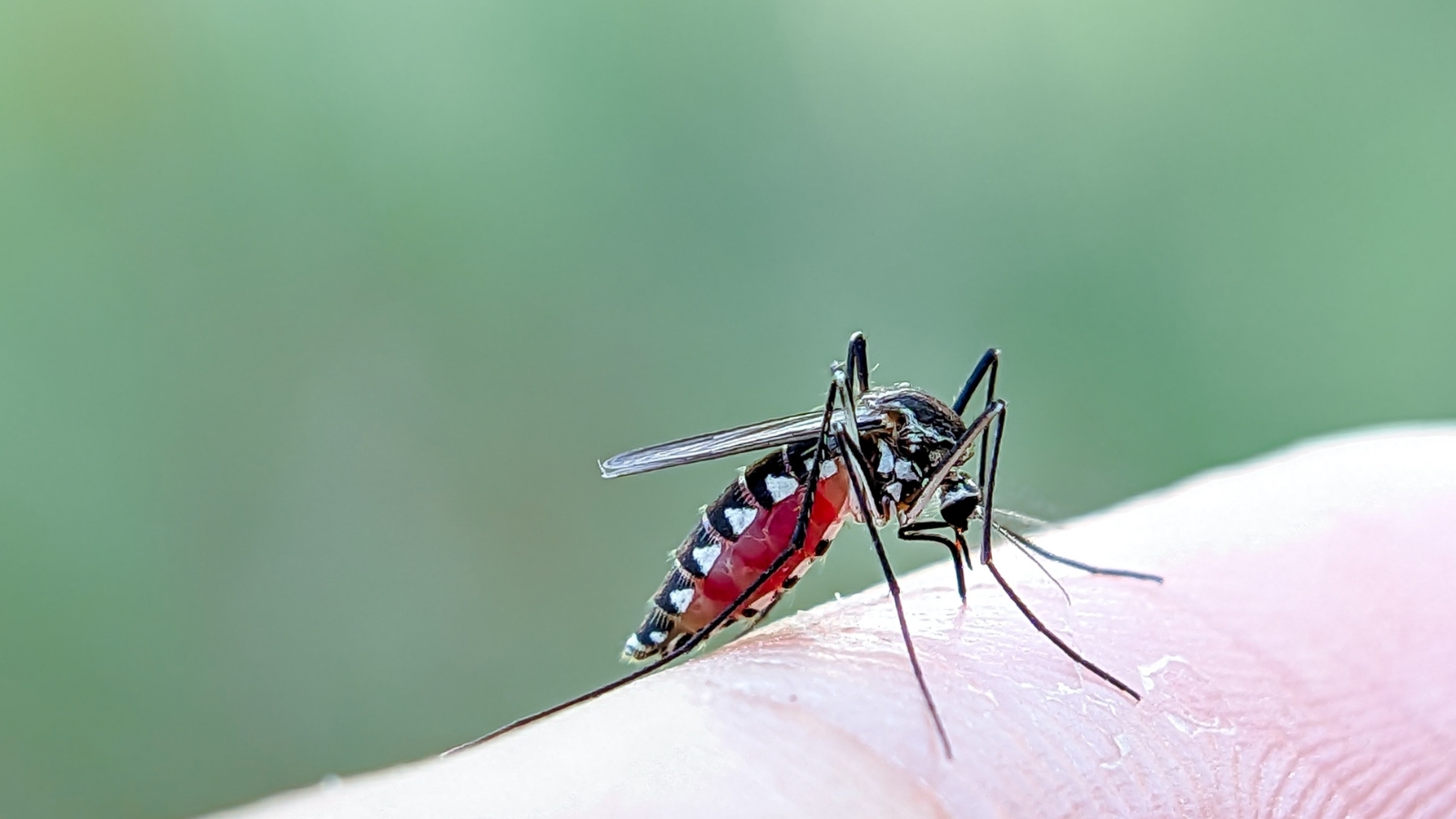
Topsfield homeowners can prepare for mosquito season by identifying standing water, shaded resting areas, wooded boundaries, and outdoor spaces that
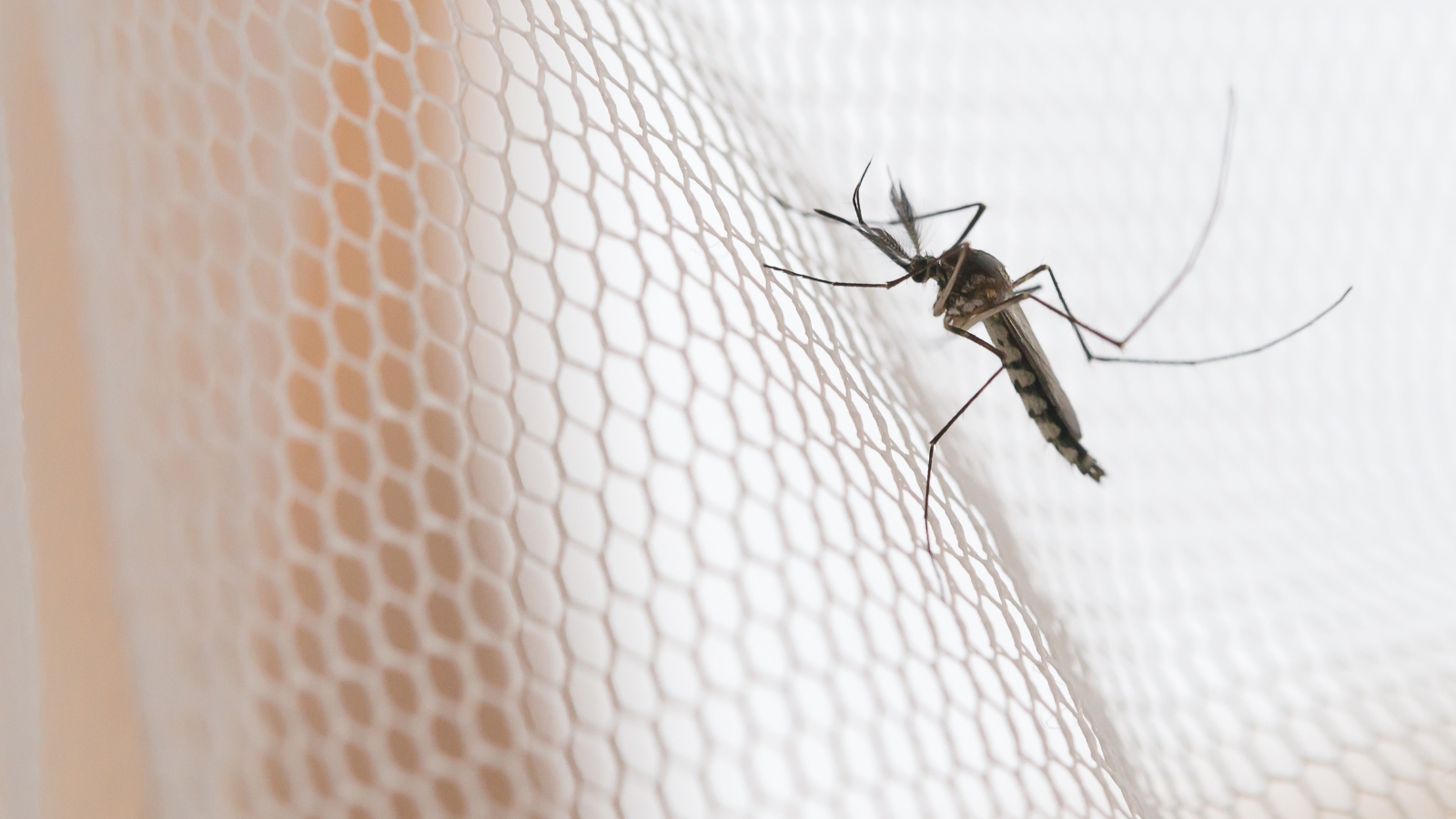
Homeowners can reduce many spring breeding opportunities by removing water-holding debris, cleaning containers, restoring drainage, and planning service before temperatures
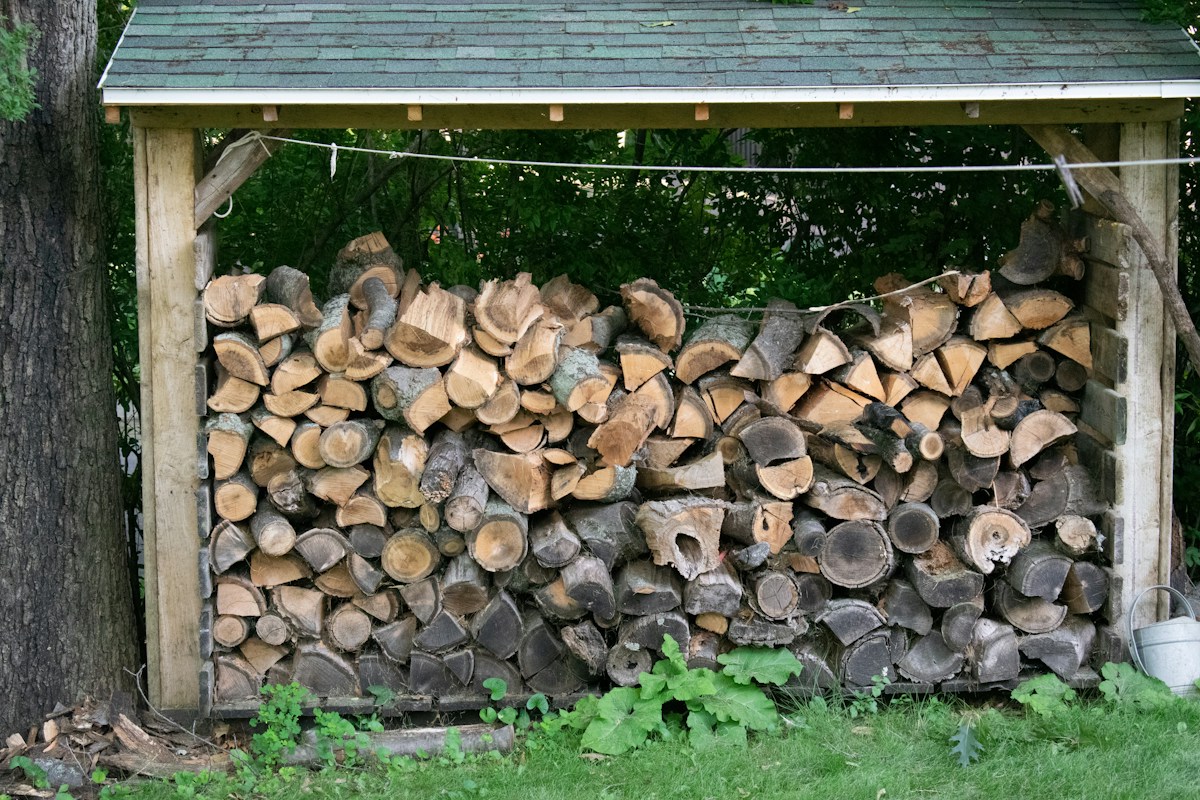
Bird feeders, compost, and firewood do not automatically create tick problems. Jeff explains the field clues he watches for: spilled seed, rodent activity, hidden openings, grain storage, and the yard conditions that connect wildlife to tick risk.
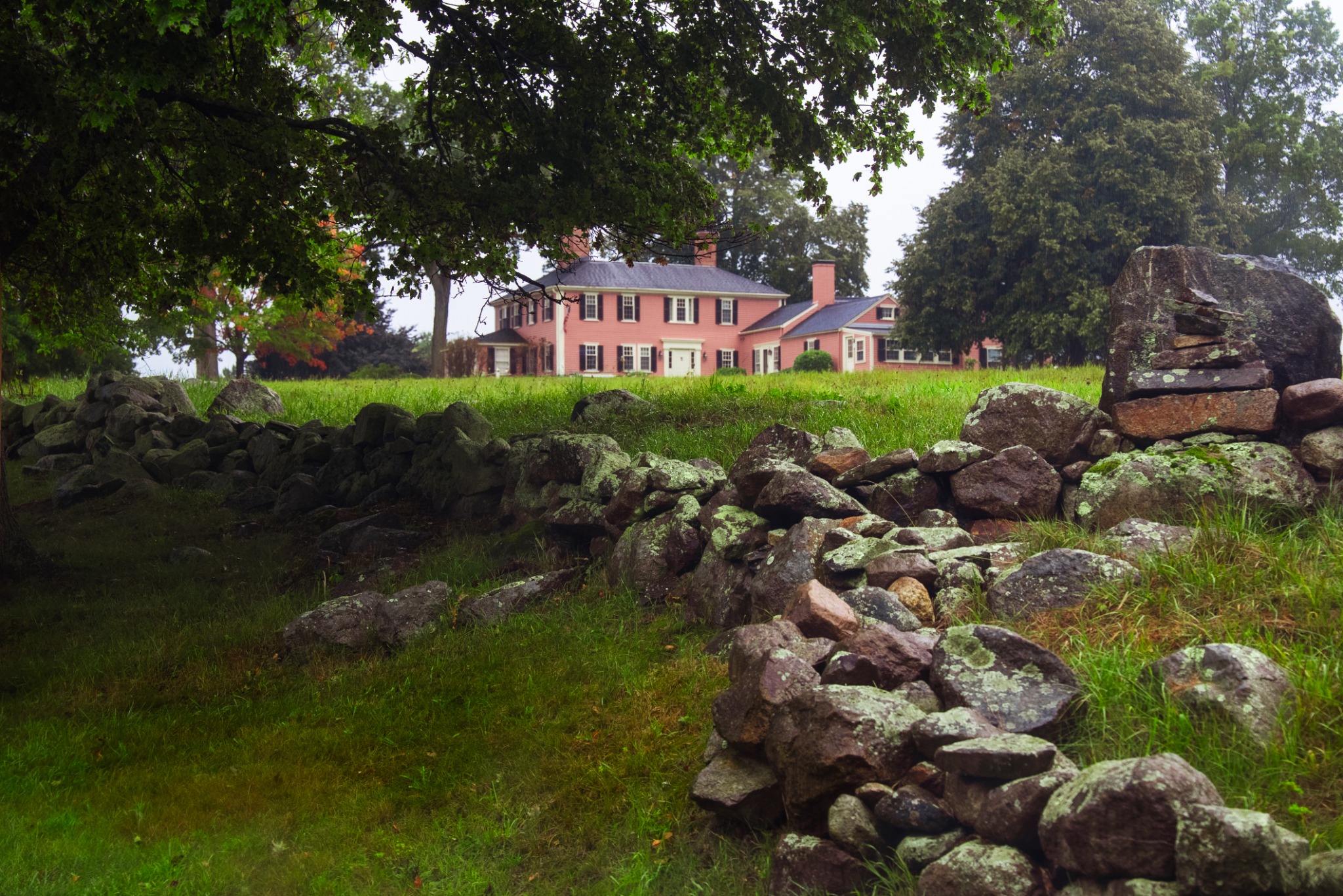
Not every stone wall, rock garden, or brush pile is a tick hotspot. Jeff explains how shade, moisture, debris, rodent shelter, and location change the risk.
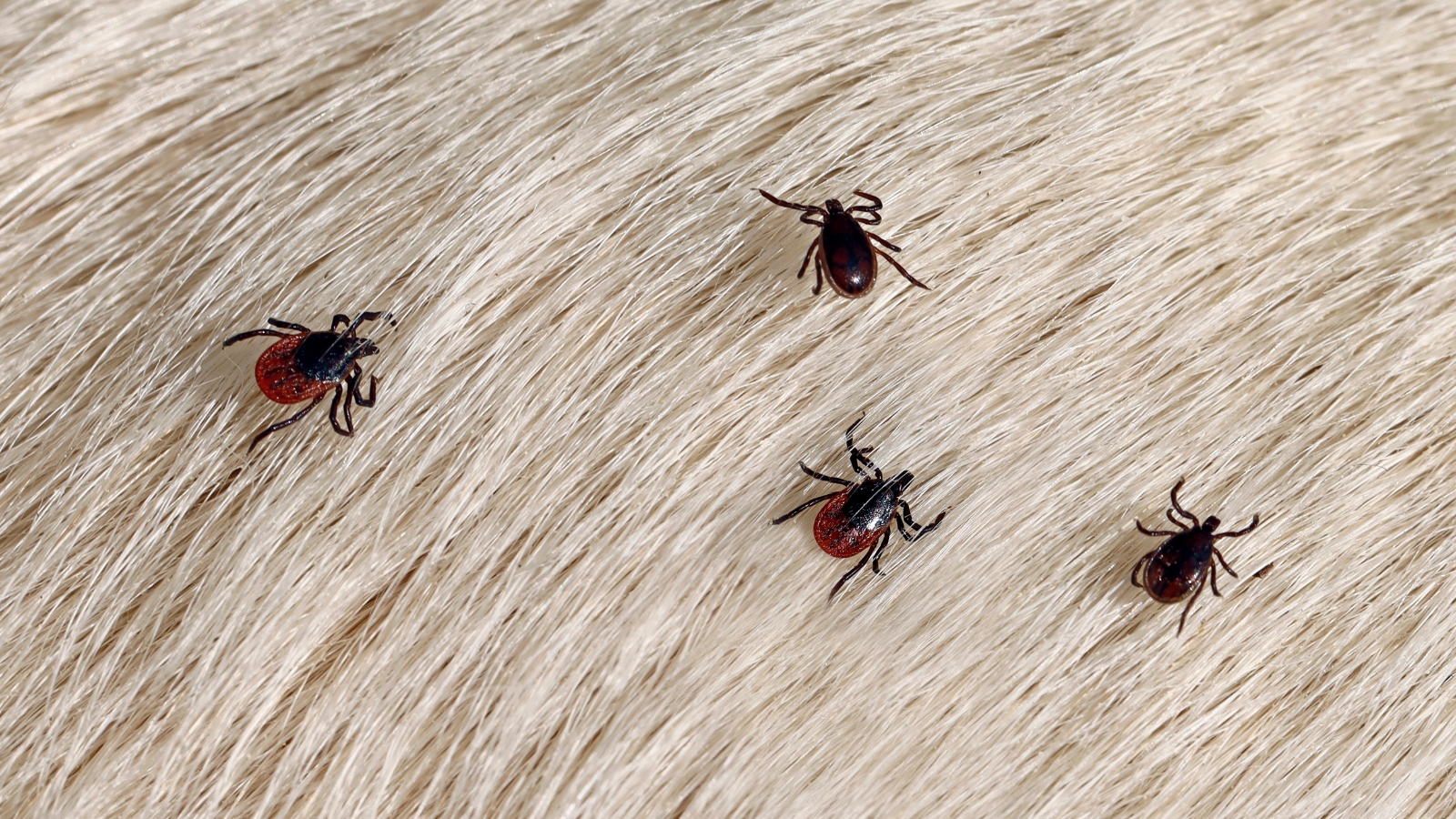
Topsfield properties can support ticks wherever wooded edges, leaf litter, shade, wildlife hosts, and frequently used outdoor spaces meet. A
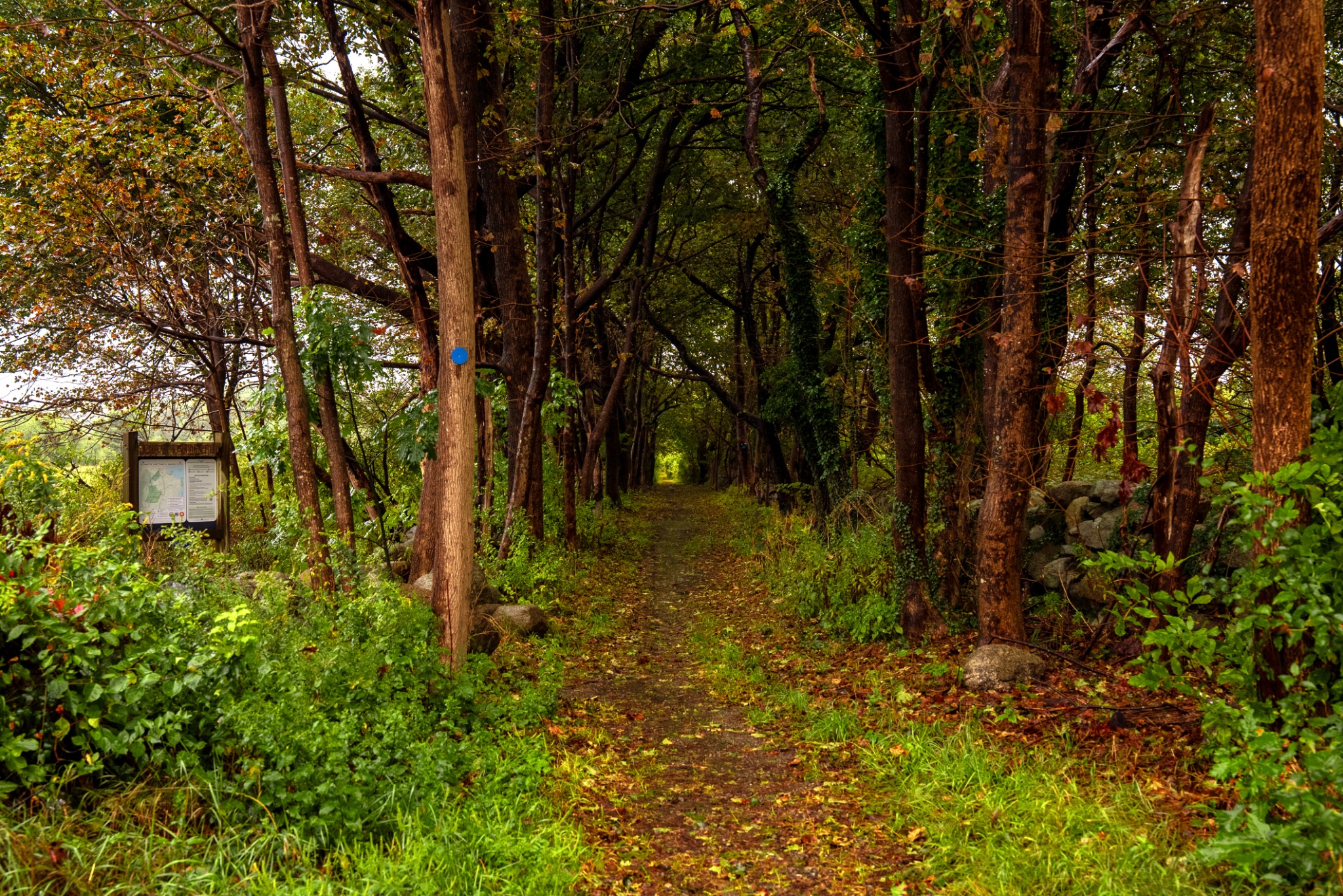
Why do ticks concentrate around wooded edges, stone walls and leaf litter instead of the middle of the lawn? Jeff explains how moisture, wildlife movement, white-footed mice, deer and practical yard management all fit into the Lyme disease cycle.
One mosquito season should not be judged against another by memory alone. Jeff explains how Mosquito Enemy compares weather, property changes, service records, resprays, timing, and real yard usability from year to year.
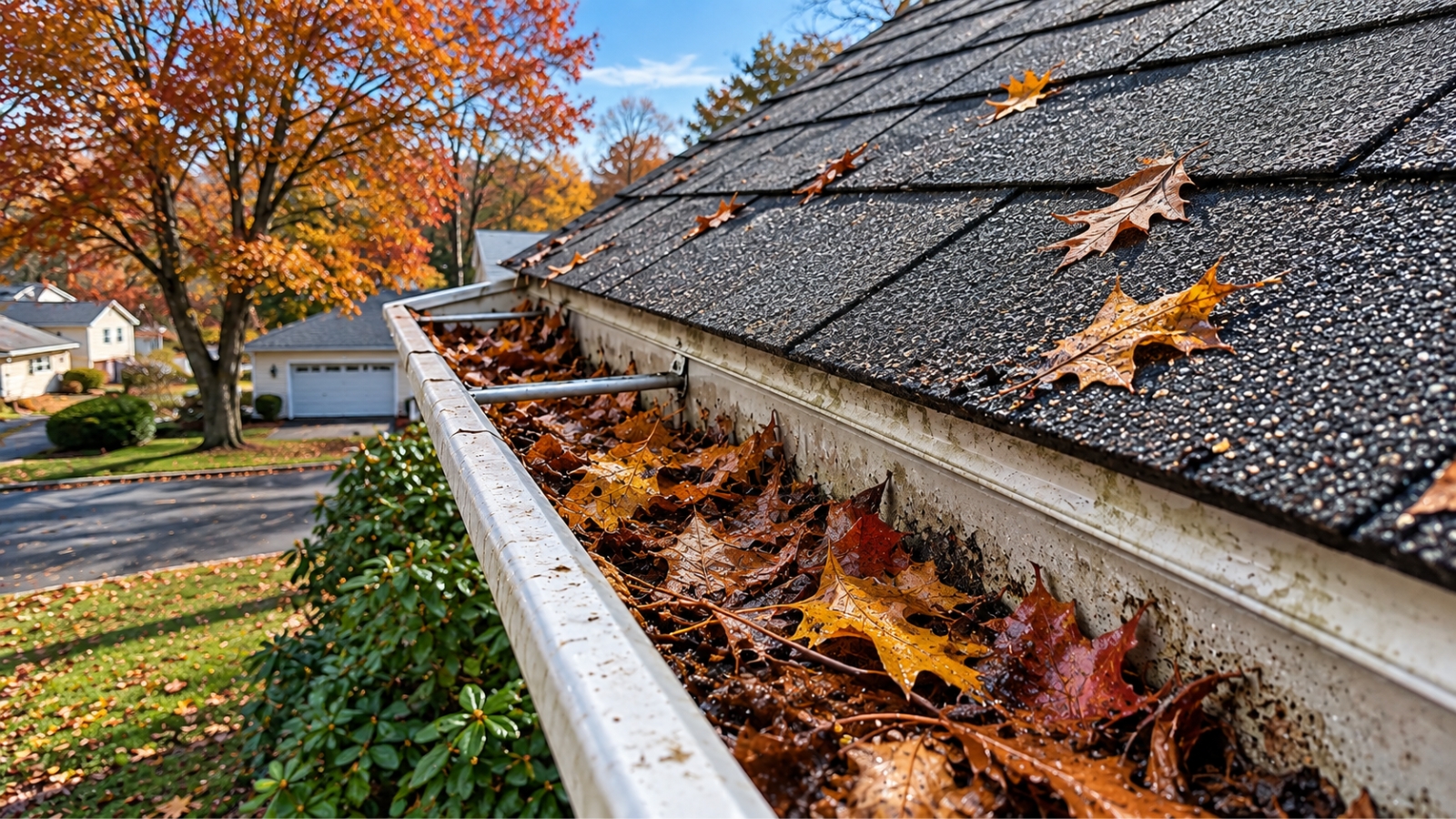
For many Massachusetts homes, the best fall cleaning window comes after most nearby leaves have dropped and before repeated freezing

A little frost on the grass does not automatically end mosquito season. Jeff explains what a hard freeze changes, why nearby yards can freeze differently, what survives winter, and why ticks may remain active.