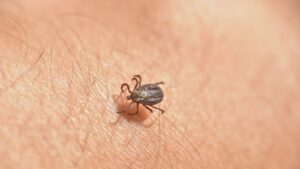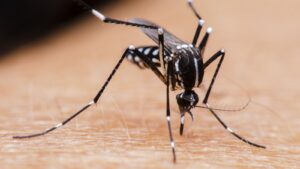

I’m Jeff, your local pest control guy.
Every spring and summer, I hear the same kind of hope in a homeowner’s voice.
“Jeff… if I put up a bat house, am I done with mosquitoes?”
“If I buy that bug zapper, will it wipe them out?”
“My buddy swears opossums eat a million ticks. Is that true?”
You’re not crazy for asking.
When mosquitoes and ticks are ruining your yard, you want a fix that feels simple.
Here’s the honest truth: natural predators and “mosquito gadgets” can help around the edges, but they almost never control mosquito or tick populations enough to change your day-to-day comfort.
Some of the popular claims are half-true, some are exaggerated, and a few are flat-out backwards.
Related reading
Rain after mosquito treatment: what actually happens
Is mosquito spraying safe for kids and pets?
Quick answer
Bats, birds, and opossums do eat insects, and sometimes they do eat mosquitoes or ticks.
The problem is scale.
A mosquito population can explode from eggs and larvae hiding in tiny pockets of water you’d never notice, then refill your yard over and over all season.
Ticks don’t get “controlled” by one predator either, because they’re spread through wildlife travel lanes, leaf litter, stone walls, brush edges, and the animals that move through those spots.
If you want real relief, you need a plan that targets mosquitoes where they start (eggs and larvae), knocks down adults where they rest, and treats tick habitat along the edges where people and pets pick them up.
Why these myths stick around
A lot of mosquito and tick “advice” is built on one true sentence, then the marketing takes over.
Yes, bats eat insects.
Sure, birds catch bugs in flight.
Absolutely, opossums groom themselves.
Those facts are real.
Still, none of that automatically means your yard will feel better next weekend.
Mosquitoes and ticks are like leaks in a boat.
One little patch helps, but you don’t stop taking on water until you address the main holes.
Myth #1: Bats eat enough mosquitoes to control populations
Bats are good neighbors.
They eat plenty of insects, and they do it at night, which lines up with when you notice mosquitoes most.
So the myth feels believable.
What gets missed is what bats prefer to eat.
Most bats go after bigger, higher-calorie insects when they can get them, because it’s a better energy payoff than chasing tiny mosquitoes all night.
Another piece people forget is timing.
Mosquitoes can hatch fast after warm weather and rain, and they can hatch in waves all season.
A bat colony doesn’t suddenly “scale up” in the same way a mosquito hatch does.
Even if bats reduce some insects in the neighborhood, that usually doesn’t translate into “we can sit outside bite-free.”
Put up a bat house if you want to support bats.
Just don’t buy it expecting it to replace mosquito control.
Myth #2: Purple Martins (or other birds) can control mosquitoes
Purple Martins are awesome birds.
They eat insects on the wing, they’re fun to watch, and people love the idea of a “natural mosquito crew.”
Reality is less exciting.
Most birds, including Martins, aren’t built around mosquitoes as a main food source.
Bigger flying insects are easier for them to target and more filling.
Another issue is where the problem happens.
A lot of mosquito biting happens in the shade, under shrubs, along damp edges, and down low where mosquitoes rest.
Many birds are feeding higher up and over open areas, not combing through your shady pockets like a mosquito technician would.
Birds can be part of a healthy ecosystem.
Mosquito control they are not.
Myth #3: Opossums eat thousands of ticks
This one is everywhere online.
You’ll see a meme that says an opossum “eats 5,000 ticks a week” or some wild number like that.
Here’s what’s really going on.
Opossums do groom themselves, and grooming can remove ticks that are crawling on them.
That part is true.
The “thousands and thousands” claim comes from assumptions about how many ticks might climb onto an animal, then an assumption that most of those ticks get eaten during grooming.
In the real world, tick contact varies a lot, and ticks don’t magically disappear from a property because an opossum walked through once.
Ticks spread through mice, chipmunks, squirrels, deer, and other wildlife movement.
They also survive in leaf litter and protected edges where moisture stays higher.
One predator doesn’t erase that system.
If you like opossums, let them do their thing.
Counting on them to protect your kids or your dog from tick bites is a gamble I wouldn’t take.
Myth #4: Bug zappers are effective for controlling mosquitoes
Bug zappers look convincing.
Bright light, loud snap, pile of dead insects.
It feels like progress.
Mosquitoes, however, aren’t mainly attracted to light.
They’re attracted to carbon dioxide from your breath, body heat, and human scent.
So a zapper tends to kill what’s drawn to light, which often means moths, beetles, and other non-target insects.
That can be a problem, because many of those insects are harmless or even helpful.
Another twist nobody likes hearing is this: a zapper can pull bugs into your yard that weren’t bothering you before.
Meanwhile, the mosquitoes can keep doing what they do best—hunting you, not the lamp.
If you enjoy a zapper, fine.
For mosquito control, there are better tools.
Myth #5: Plants marketed as mosquito repellents are scientifically proven
A lot of plants smell strong and pleasant to us.
Citronella, lavender, basil, mint, marigold, rosemary… you’ve seen the lists.
Here’s the catch.
Having a plant sitting there usually doesn’t put enough repellent “in the air” to matter.
Many plant-based repellents only show meaningful effect when the oils are extracted and used at certain concentrations, or when leaves are crushed and rubbed, and even then the protection can be limited and short-lived.
Plants can be a nice supplement for patios and containers.
They won’t create a protective bubble around the yard.
Also, a “repellent plant” doesn’t touch the breeding side of the problem.
Eggs and larvae in water don’t care that your deck smells like lavender.
What to do instead (the stuff that actually changes your yard)
If you want fewer bites, think in three lanes: stop breeding, reduce resting sites, and protect the edges.
Lane 1: Stop mosquitoes where they start
Mosquitoes need water to develop from egg to larva to pupa to flying adult.
That water can be obvious, like a bird bath or a kiddie pool.
More often, it’s hidden: a clogged low spot, a tarp depression, an old wheelbarrow, a clogged drain, or neglected gutters holding water after a rain.
Dump what you can dump.
Fix what you can fix.
Treat what you can’t remove.
That last part is why we built our Mosquito Egg & Larvae Control program.
Larvicide work targets breeding pockets so the next hatch never becomes the next swarm.
Lane 2: Knock down adults where they rest
Most of the mosquitoes you feel are not flying in from miles away at the last second.
They’re resting in cool, shady, humid spots on your property.
Shrubs, tall grass, damp edges, under decks, thick groundcover—those are mosquito hotels.
Trimming and airflow help.
Fans on a patio help more than most people realize, because mosquitoes are weak flyers.
Even with good yard habits, adult mosquitoes still show up, so a professional barrier treatment is often what flips the switch from “we’re getting eaten” to “we can relax.”
Our core service is Mosquito & Tick Control, because comfort comes from consistent coverage, not one lucky spray.
Lane 3: Treat tick habitat along the edges
Ticks are a different animal.
They don’t breed in standing water.
Instead, they wait in leaf litter, brushy edges, stone walls, and transition zones where lawn meets woods or tall growth.
That’s why “a gadget” rarely changes tick pressure.
A tick plan is about targeting the places ticks live and travel, then keeping pressure on it through the season.
If you’re focused on ticks only, our Tick Control options are built for that exact problem.
So are predators and gadgets useless?
Not at all.
I just want you to put them in the right role.
Bats and birds are part of a balanced yard, and they can reduce some insects around you.
Fans can make a patio more comfortable.
Good screening and smart lighting can reduce how many insects gather near doors.
None of those things is a replacement for a real mosquito and tick program.
Think of it like this.
Predators and gadgets are like picking up a few sticks after a storm.
Useful, sure.
Full cleanup still takes a plan and the right tools.
What “premium” mosquito and tick control really means
People sometimes ask why one company costs more than another.
This topic is one of the reasons.
A premium program doesn’t lean on myths.
Real protection leans on biology.
It shows up on a schedule, treats the right zones, and uses the right tools for the right life stage.
Mosquito Enemy is built around that idea.
We run a consistent barrier program and we offer breeding control with larvicides, because adult mosquitoes are only half the story.
For ticks, we focus on the perimeter and edge habitat where contact happens, because that’s where risk meets real life.
If you want help, here’s how to start
Walk your yard once with fresh eyes.
Look for water you can dump in 30 seconds.
Spot the shady, humid pockets where mosquitoes rest.
Notice the brushy edges and leaf litter zones where ticks wait.
Then decide how much you want to DIY and how much you want handled for you.
If you want the yard to feel different, fast, the easiest next step is a professional program that stays ahead of hatches and pressure.
FAQ
Do bats eat enough mosquitoes to control populations?
A: Bats do eat mosquitoes sometimes, but they usually prefer larger insects, and they rarely reduce mosquitoes enough to change yard comfort on their own.
Detail: A bat house is great for wildlife, yet mosquito hatches can refill a yard faster than predators can keep up, especially after warm, wet stretches.
Can Purple Martins or other birds control mosquitoes?
A: Birds may eat some mosquitoes, but most species mainly target larger insects and don’t hunt low in the shaded resting areas where mosquitoes build up in a yard.
Detail: Bird-friendly yards are healthy yards, but relying on birds for mosquito control usually leads to disappointment when the biting starts.
Do opossums eat thousands of ticks?
A: Opossums groom and can remove some ticks, but the viral “thousands of ticks” claim is exaggerated and shouldn’t be treated as real tick control for a property.
Detail: Tick pressure comes from wildlife movement and edge habitat, so practical reduction comes from treating those zones and keeping them managed.
Are bug zappers effective for controlling mosquitoes?
A: Most bug zappers kill lots of insects, but they usually don’t kill many mosquitoes because mosquitoes aren’t strongly attracted to light the way other insects are.
Detail: Mosquitoes follow carbon dioxide, heat, and scent, so yard control works better when it targets where mosquitoes rest and where they hatch.
Are plants marketed as mosquito repellents scientifically proven?
A: Many plants have oils that can repel mosquitoes in certain forms, but a plant sitting in a pot usually doesn’t release enough repellent to protect a whole yard.
Detail: Repellent plants can be a nice add-on for a patio, but they don’t address breeding water or the shady resting spots that create heavy mosquito pressure.
Top towns we service
Here are 16 of the top towns we service every week.
Amesbury
Andover
Boxford
Byfield
Georgetown
Groveland
Haverhill
Ipswich
Merrimac
Newbury
Newburyport
North Andover
Rowley
Salisbury
Topsfield
West Newbury
Don’t see your town? We probably still service it. Use our Service Area page to confirm.
Related resources
Start with Mosquito + Tick Programs. Add this for tougher yards: Mosquito Egg & Larvae Control. Ticks ONLY: Tick Control. Home protection: Home Shield. Stinging insects: Stinging Insect Control. Rodents: Rodent Control. Gutter Cleaning: Gutter Cleaning. Reach us: Contact us.
Call or text: 888-229-0095 | Email: jeff@mosquitoenemy.com | Contact us
It’s More Fun Outside! with Mosquito Enemy.
Word count: 2057