I’m Jeff, your local pest control guy.
Powassan virus is one of those tick topics that makes people say, “Wait… what is that?”
A lot of homeowners have only ever heard of Lyme disease, so Powassan sounds like something that happens somewhere else.
Reality check: this virus is rare, but the risk is real in the Northeast, and it can move fast.
Quick Answer
Powassan is a tick-borne virus that can cause serious illness, including swelling in the brain.
Lyme disease usually needs a tick attached for a longer time to transmit, but Powassan may transmit much quicker—some sources note it can happen in as little as about 15 minutes—so fast tick checks matter even more.
Best protection is a simple combo: daily tick checks, smart clothing and repellent habits, and a yard plan that reduces tick pressure where your family actually walks.
No vaccine exists for Powassan, and treatment is supportive, so prevention is where you win.
Answer Block: Powassan virus is rare, but it’s a reminder to take ticks seriously in our part of New England. Because transmission can happen fast, the safest move is simple: prevent bites, do daily tick checks, and reduce tick habitat along yard edges where ticks live.
What Powassan virus is (plain English)
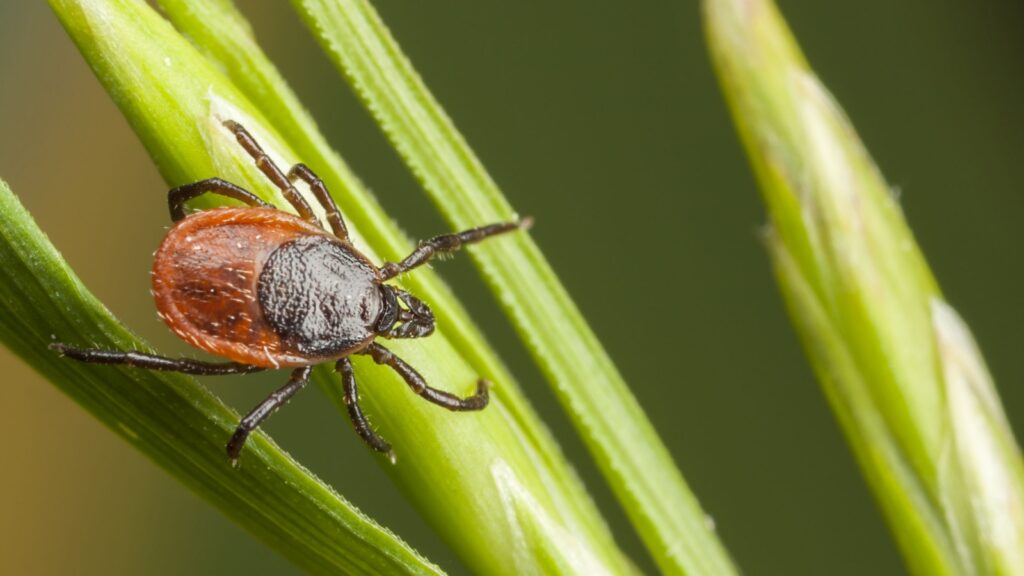
Powassan is a virus carried by certain ticks, including the blacklegged tick that most people call the deer tick.
People get exposed through a bite from an infected tick.
No drama needed here, but I also won’t sugarcoat it: when Powassan gets serious, it can get very serious.
Most cases are still uncommon compared with Lyme, and that’s good news.
Even so, the reason health folks watch Powassan closely is because it can cause neuro symptoms, and prevention is the main play.
Why Powassan gets attention: speed
Here’s what makes this virus different from the “usual” tick conversation.
With Lyme, you often hear the rule of thumb that longer attachment time means higher risk.
Powassan is the one that reminds us that “I’ll check later” is not a great plan.
In some situations, transmission may happen fast—potentially within minutes—so the safest habit is same-day checks, every day.
That doesn’t mean you should panic every time you find a tick.
It means you should tighten up your routine, especially in late spring and early summer when the tiny nymph ticks are out in force.
The tick stage that tricks people: nymphs
Nymph ticks are the poppy-seed-sized ones that are easy to miss.
Those nymphs are a big reason families feel blindsided, because you can do a quick glance and still miss them.
In our region, nymphs are most active in the warmer months, with a big push from late spring into mid-summer.
Adult ticks are a separate problem that can show up in cooler shoulder seasons too, so the “tick season is over” idea gets people in trouble.
What symptoms should you watch for?
I’m not a doctor, and I’m not here to play one.
Still, as the “tick guy” for a lot of families, I can tell you what the public health guidance generally points to: fever, headache, weakness, and feeling really off can show up after tick exposure.
Severe cases can include confusion, loss of coordination, seizures, or signs of inflammation around the brain.
Anything neurological is a “call your doctor now” situation, especially if you’ve had recent tick exposure.
If Powassan is rare, why talk about it?
Rare doesn’t mean impossible.
Smart habits that reduce Powassan risk also reduce your odds of Lyme and other tick-borne illnesses.
A family that builds a tick routine once tends to keep it for life.
Your best protection plan (no fluff)
1) Personal protection that actually works
Start with clothing and repellent habits that fit real life.
Light-colored socks and sneakers make ticks easier to spot than dark shoes and bare ankles.
Long pants are annoying on hot days, so I get it, but that little barrier helps a lot when you’re in edge zones.
Permethrin-treated clothing is a big upgrade if you’re in brushy areas, walking dogs, or doing yard work.
Standard skin repellents also help when used correctly, especially on shoes, socks, and lower legs where ticks usually start.
Tick checks are the habit that pays the biggest dividend.
Do them the same way every time: calves, behind knees, waistband, under arms, hairline, and behind ears.
2) Yard protection (where ticks actually come from)
Most ticks don’t hang out in the sunny middle of your lawn like people think.
Edge zones are the problem: the line where lawn meets woods, brush, stone walls, leaf litter, groundcover, and damp shade.
Cleanup helps more than most people want to believe.
Leaf litter, brush piles, and overgrown edges hold moisture and give ticks and their hosts a comfortable corridor.
That’s also why a focused treatment beats “spray everything.”
A smart tick yard treatment is about hitting the edge habitat, not wasting time on the parts of your yard where ticks don’t live.
If you’re searching tick control help because you keep finding ticks on kids or pets, you’re not alone.
Lots of families end up typing tick control near me after the second or third “tick moment” in one week.
My advice is to treat it like a pressure problem, not a one-time surprise.
A consistent tick control service can help drive down the population over time by interrupting ticks where they quest and hide.
Some people ask if they need a tick exterminator right away.
High sightings, a wooded lot, stone walls, heavy leaf litter, or constant dog ticks are signs you should take action instead of hoping it “goes away.”
If the search has turned into tick exterminator near me, you’re usually past the DIY stage.
A targeted tick treatment plan is built around timing, placement, and consistency, not just product.
One more piece that matters is the barrier concept.
A properly placed tick barrier treatment helps create a defended edge so fewer ticks make it into the living space of your yard.
What I tell families with dogs and kids
Pets are tick magnets, and they do not read warning signs.
Kids also tend to play right where ticks want you: edges, shade, low shrubs, and the “cool spots” under trees.
That’s why the best plan is layered.
Personal protection lowers bite chances today, and yard work plus treatment lowers the number of ticks you’re dealing with next week.
One habit I love is the “doorway tick check.”
Make it the rule that everyone gets checked before they go from yard to couch.
What to do if you find a tick
Use fine-tipped tweezers.
Grab the tick close to the skin, then pull straight out with steady pressure.
Clean the bite site and wash your hands.
Save the tick in a small sealed bag if you can.
A photo also helps for identification if you can’t save it.
Call your doctor if symptoms show up after a tick bite.
Medical questions deserve medical answers, especially with anything that feels neurological.
When to bring in Mosquito Enemy
If your property backs up to woods, stays damp, has stone walls, or has thick groundcover, ticks have everything they want.
If you’ve already tightened up habits and you’re still seeing ticks, it’s time to get a real plan in place.
Our tick work is designed for real New England yards, not perfect textbook lawns.
Take a look at our Tick Control program if ticks are the main issue.
If mosquitoes and ticks both matter on your property, start here: Mosquito & Tick Control.
Either way, the goal is the same: fewer bites, fewer surprises, and a yard you actually use.
FAQ
How long does a tick need to be attached to transmit Lyme disease?
A: Lyme disease usually requires a longer attachment time than people think, which is why quick removal helps so much.
Detail: Powassan is different because it may transmit faster, so the right habit is still the same: find ticks early and remove them fast.
When is tick season in Massachusetts for deer ticks?
A: Tick activity can happen for a big chunk of the year, but the highest-risk period for tiny nymph ticks is late spring into summer.
Detail: Keep your tick routine tight from May through July, and stay aware again in the cooler spring and fall windows when adult ticks can be active.
When is tick season in New Hampshire for deer ticks?
A: The seasonal pattern is very similar across Southern NH: nymph activity ramps in late spring and summer, then adults show up again in spring and fall.
Detail: One warm day doesn’t mean you’re safe, so keep checking after hikes, yard work, and dog walks even in the shoulder seasons.
What’s the safest way to remove a tick from a child?
A: Use fine-tipped tweezers, pull straight out close to the skin, and clean the area afterward.
Detail: If mouthparts stay behind or symptoms appear later, call your pediatrician and keep a note of the date you found the tick.
Does permethrin-treated clothing help in the yard too?
A: Yes, it can help a lot during yard work and edge-zone play because ticks usually start low on shoes, socks, and pant legs.
Detail: Pair treated clothing with yard-focused tick reduction and you’ll cut down both the number of tick encounters and the chances of a missed nymph.
Top towns we service
Here are 16 of the top towns we service every week.
Amesbury
Andover
Boxford
Byfield
Georgetown
Groveland
Haverhill
Ipswich
Merrimac
Newbury
Newburyport
North Andover
Rowley
Salisbury
Topsfield
West Newbury
Don’t see your town? We probably still service it. Check our full Service Area page.
Related resources
Start with Mosquito + Tick Programs
Add this for tougher yards: Mosquito Egg & Larvae Control
Ticks ONLY: Tick Control
Home protection: Home Shield
Stinging insects: Stinging Insect
Rodents: Rodent Control
Gutter Cleaning: Gutter Cleaning
Reach us: Contact us
Get Your Free Quote
Call/Text: 888-229-0095 | Email: jeff@mosquitoenemy.com | Contact us
“It’s More Fun Outside”! with Mosquito Enemy.