
I’m Jeff, your local pest control guy.
A lot of homeowners feel it before they can explain it.
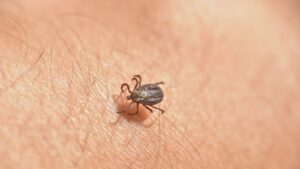
Ticks showing up earlier.
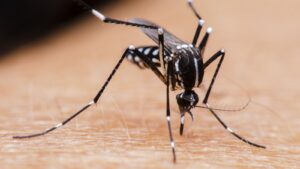
Mosquitoes getting worse after big rain.
Outdoor season stretching… but so is bug season.
Here’s what’s really going on.
There is not one single cause.
It’s three forces stacking on top of each other: climate, land use, and wildlife.
A 2025 SciLine media briefing put it in plain terms.
Experts talked about blacklegged ticks expanding northward and “inward” as warmer conditions lengthen the season.
They also explained how high heat and heavy rain create “perfect storm” conditions for mosquitoes, speeding development and raising concern for West Nile virus risk during strong seasons.
This blog breaks all of that down in a way that helps you judge your own risk at home.
Related reading
Start here: When is tick season in MA & NH?
Then read this: Mosquito Spray Schedule: Why Recurring Treatments Beat One-Time Sprays
Quick answer
Warmer weather can stretch the season for both ticks and mosquitoes.
Blacklegged ticks can start host-seeking earlier in spring and stay active later into fall when conditions allow.
Heat can speed up mosquito development, which shortens the time from egg to biting adult.
Heavy rainfall adds fuel by creating more breeding pockets, which can drive fast refill pressure and increase the chance of West Nile virus activity during peak summers.
Land-use patterns and wildlife finish the job by creating more “edge habitat” and moving ticks and mosquitoes into the spaces where families actually live, play, and walk the dog.
First thing to know: bug pressure has two stories
Pressure is what you feel when you step outside.
Habitat is what creates that pressure in the first place.
Weather can spike pressure overnight.
Land use can build habitat slowly over years.
Wildlife can move risk around without you seeing it happen.
One storm can make mosquitoes feel “louder.”
Even a mild winter can leave more ticks alive for spring.
A new neighborhood built against the woods can create more edge contact for decades.
Climate change: why the season feels longer
Ticks don’t go by dates.
They go by conditions.
When spring warms earlier, ticks can start feeding earlier.
The fall stays mild, ticks can keep feeding later.
That longer window gives ticks more chances to find hosts and complete life stages.
Blacklegged ticks are the main “headline tick” for our region because of Lyme disease and other illnesses they can carry.
A longer season doesn’t just mean more bites.
It can also mean more opportunities for ticks to spread into new areas over time.
Mosquitoes respond to climate in a different way.
Heat speeds the engine.
Rain adds the fuel.
High temperatures can shorten development time from egg to adult.
That means quicker generation turnover during peak weeks.
Warm nights keep adults active longer as well.
Now add heavy rain.
Water collects in low spots, clogged drains, forgotten containers, and landscape pockets that hold moisture longer than you think.
Breeding pressure rises.
Refill happens faster.
West Nile virus risk tends to increase during strong mosquito seasons because more mosquitoes and longer warm stretches can raise the odds of virus cycling in the environment.
The key point for homeowners is simple.
A hot, wet summer is not just uncomfortable.
It can also be a higher-alert season for mosquito-borne disease messaging in the region.
Land use: why “edge habitat” makes yards risky
Land use is the part most people miss.
Everyone talks about weather.
Hardly anyone talks about how we build and maintain neighborhoods.
Ticks thrive in the edge zone.
That’s where lawn meets woods.
Leaf litter holds humidity, just what they thrive in.
Brush lines and shade keep the ground cooler and damp, another hot spot for ticks.
Modern development creates more edge than people realize.
Smaller forest patches.
More trails.
More backyards backed up to woods.
That fragmentation can increase the amount of edge habitat touching human space.
In plain English, more edge can mean more tick encounters where kids play and pets roam.
Mosquito habitat gets shaped by land use too.
Thick shrubs create cool resting zones.
Dense shade holds humidity.
Drainage changes after construction can create new puddling patterns.
Container breeding is a big deal in many neighborhoods.
Flowerpot saucers count.
A folded tarp counts.
Toys left upside down counts.
Hidden water is the sneaky one.
Clogged gutters can hold wet debris and create breeding pressure without you seeing it from the ground.
Wildlife management: why deer and small mammals matter
Ticks don’t travel far on their own.
Wildlife moves them.
Deer are important for adult tick feeding and reproduction.
Small mammals can be important for feeding younger ticks and supporting disease cycles.
That means tick pressure often follows wildlife patterns.
Heavy deer traffic through the yard can raise the odds of tick introductions.
Brushy edges and stone borders can support the small-animal activity that helps ticks thrive.
This is where land use and wildlife connect.
Untamed edged habitat brings wildlife closer to homes.
More wildlife near homes increases tick contact.
Warmer seasons give ticks more time to take advantage of it all.
A simple risk check you can do this week
You don’t need a lab report to know whether your property is a higher-pressure setup.
Walk your yard with this checklist in mind.
Edge contact: Woods, brush, tall grass, or stone borders touch the areas you use most.
Shade and moisture: Leaf litter stays damp, and the perimeter stays humid even when the lawn looks dry.
Wildlife traffic: Deer paths, droppings, or regular sightings show up around the yard.
Water-holders: After rain, you can find multiple spots where water sits for more than a day.
Bite history: Ticks show up on people or pets, or mosquitoes feel intense even after “trying stuff.”
More “yes” answers usually means you need a stronger prevention plan.
How to use local data without getting overwhelmed
Local data doesn’t have to be complicated.
It’s usually a few signals worth watching each season.
State health departments often post mosquito surveillance updates and West Nile virus activity.
Local mosquito control projects or districts may share trap results.
Tick awareness updates often follow spring and fall activity reports.
Those updates help you time your habits.
They also help you understand why a season feels “off.”
Big picture, here’s what matters most.
Warm early spring plus long mild fall means ticks stay in the conversation longer.
Repeated heat plus repeated rain means mosquitoes refill faster than most homeowners expect.
What a smart plan looks like in a changing season
If the season is longer and refill happens faster, one-time solutions stop making sense.
Consistency becomes the whole game.
That’s why our Mosquito + Tick Programs are built around schedule and coverage, not luck.
Traditional barrier service typically runs every 21 days.
All-natural service typically runs every 14 days because tighter timing often holds better under heavy pressure.
Tick control is an edge strategy.
Perimeters, shaded transitions, leaf litter zones, and travel corridors are the focus.
A targeted Tick Control plan is built around those real-world zones.
Mosquito breeding pressure needs its own attention on tougher properties.
Standing water is the engine.
Larvae feed, so larvicides can control them.
Pupae don’t feed, so that stage can’t be controlled the same way.
That’s why Mosquito Egg & Larvae Control exists as five targeted applications per year aimed at breeding zones and water-holding areas.
Weather matters on treatment day too.
Rain can raise breeding pressure even when your last visit was done correctly.
That’s also why we include a Rain Shield additive in every application to reduce water surface tension so product spreads evenly instead of beading up, help it bond faster and dry quicker for better coverage, and help protect it from rain or sprinklers.
That Rain Shield buys you “weather room,” helping protect the application through up to about 12 inches of rainfall or water before washout would be expected.
A quick shower after an application usually doesn’t mean it washed off.
Bottom line
Climate sets the speed.
Land use builds the habitat.
Wildlife moves the risk around.
When those three line up, ticks and mosquitoes expand and pressure climbs.
A smart homeowner doesn’t need to guess.
Manage the edge, reduce water-holders, stay consistent, and keep prevention habits going longer than you used to.
That’s how outside stays fun, even when the season keeps shifting.
FAQ
Why do ticks seem active earlier in spring and later in fall now?
A: Warmer conditions can lengthen the window when ticks can quest and feed, so activity can start earlier and continue later when temperatures allow.
Detail: Longer activity windows can increase bite opportunities and support higher survival into the next season.
Why do mosquitoes feel worse right after a storm?
A: Rain creates new breeding pockets and raises humidity, which can drive fast refill pressure even if your yard was treated.
Detail: Warm weather can shorten the time from egg to adult, so hot-and-wet cycles can create quick population spikes.
How does land use change tick risk around homes?
A: Fragmented woods and landscaped edges create more “edge habitat,” where ticks and hosts overlap close to people.
Detail: Leaf litter, brush lines, and shaded transitions often become the primary exposure zones for families and pets.
Does wildlife really affect tick pressure on a property?
A: Yes, because wildlife moves ticks into yards and supports tick feeding at different life stages, especially along travel corridors.
Detail: Deer activity and small-mammal cover near the perimeter often line up with higher tick encounters.
What’s the most practical plan for a high-pressure yard?
A: Consistency beats one-time treatments because heat and rain can refill a yard quickly during peak season.
Detail: Pair recurring mosquito control with perimeter-focused tick control and breeding reduction on tougher properties to keep pressure from rebuilding.
Top towns we service
Here are 16 of the top towns we service every week.
Amesbury, MA
Andover, MA
Boxford, MA
Byfield, MA
Georgetown, MA
Groveland, MA
Haverhill, MA
Ipswich, MA
Merrimac, MA
Newbury, MA
Newburyport, MA
North Andover, MA
Rowley, MA
Salisbury, MA
Topsfield, MA
West Newbury, MA
Don’t see your town? See the full list here: Service Area
Related resources
Start with: Mosquito + Tick Programs
Add this for tougher yards: Mosquito Egg & Larvae Control
Ticks ONLY: Tick Control
Home protection: Home Shield
Stinging insects: Stinging Insect (MA)
Rodents: Rodent Control (MA)
Gutter Cleaning: Gutter Cleaning
Service Area: Service Area
Contact us: Contact us
Get Your Free Quote
Call or text: 888-229-0095
Email: jeff@mosquitoenemy.com | Contact us
It’s More Fun Outside! with Mosquito Enemy.