
I’m Jeff, your local pest control guy.
Travel is supposed to be fun.
Bites shouldn’t be the souvenir you bring home.
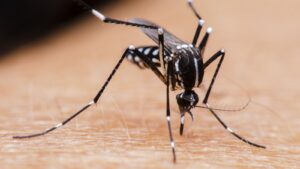
Most people think “mosquito disease” is a far-away problem.
Then they book a trip, read one headline, and start wondering what’s real.
So here’s the practical guide for travelers.
No panic.
Just smart steps that reduce risk.
Related reading
Start here: Is mosquito spraying safe for kids and pets?
Then read this: Tick Control: How to Reduce Ticks in Your Yard
Quick answer
Travelers should know the common mosquito-borne risks in the regions they’re visiting, then use a simple bite-prevention kit: repellent, treated clothing, and smart timing around peak biting hours. Hiking abroad adds tick exposure, so clothing coverage, tick checks, and avoiding brushy edges matter. Repellent use can still make sense after returning home if you’re still outdoors in tick habitat or if your destination exposure window was recent and you’re following medical advice. Vaccines exist for some mosquito-borne diseases, but availability depends on the disease, destination, and your personal health situation.
Why travel changes the mosquito and tick game
New places bring new species.
Different mosquitoes bite at different times of day.
Some like daytime.
Other species hit harder at dusk and dawn.
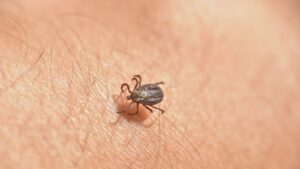
Ticks vary too.
Trail edges in one country can be a totally different risk than a New England stone wall line.
So the smart move is to plan around local reality, not assumptions from home.
Which mosquito-borne diseases should travelers be aware of?
The “big names” depend on where you’re going.
Some regions are known for malaria risk.
Other regions are known for dengue.
Zika can still matter in certain areas, especially for pregnancy planning.
Chikungunya is another one travelers hear about because it can cause serious joint pain.
Yellow fever is a destination-based concern in specific parts of the world.
West Nile virus exists in many places too, including the U.S.
Here’s the practical point.
Don’t try to memorize the globe.
Check the destination guidance for your exact countries and regions, then pack and plan accordingly.
What should I pack to prevent bites while traveling?
Pack like you’re building layers.
That mindset works for every destination.
Bring a repellent you trust.
Bring long sleeves and long pants for evenings and edge areas.
Add light-colored clothing when possible, since it makes ticks easier to spot.
Consider treated clothing for hiking-heavy trips.
Bed nets can help in certain lodging situations.
A small first-aid kit helps too.
That kit isn’t just for bites.
It’s for the inevitable scratch, blister, or little cut that happens when you’re outdoors.
How can I protect against tick bites when hiking abroad?
Tick protection is mostly about contact control.
Stay out of tall brush when you can.
Stick to the center of trails.
Avoid sitting directly in leaf litter.
Tuck pants into socks on higher-risk hikes.
Do tick checks the same day.
Check again after a shower.
Pay attention to common hide zones like sock lines, behind knees, waistband areas, and under straps.
Treat your gear like a risk zone too.
Backpacks and jackets can pick up hitchhikers when you drop them in grass.
Should I continue using repellent after returning home?
Sometimes, yes.
A return flight doesn’t magically remove tick or mosquito exposure if you’re still outdoors at home.
New England ticks are still a thing.
Repellent still matters for yard work, hikes, and dog walks in brushy edges.
There’s another reason this question comes up.
People worry about symptoms after travel.
If you feel sick after a trip, get medical guidance rather than guessing.
Bite prevention is smart.
Medical decisions belong with medical professionals.
Are vaccines available for some mosquito-borne diseases?
Yes, for some.
Availability depends on the disease and the destination.
Yellow fever vaccine is a well-known example for certain travel areas.
Other vaccines exist or may be recommended depending on your situation.
Travel medicine clinics are the easiest way to get destination-specific guidance and the right timing.
The best move is early planning.
Some vaccines and medications require a lead time before departure.
How travel ties back to your home yard
People travel.
Bugs travel too, just in different ways.
Your best protection at home is still a solid yard plan.
Our Mosquito + Tick Programs target mosquito resting zones and tick edges where exposure happens.
Breeding control helps when refills keep winning.
That’s what Mosquito Egg & Larvae Control is for, and it runs as five targeted applications per year aimed at breeding zones.
Larvae feed, so larvicides can control them.
Pupae don’t feed, so that stage can’t be controlled the same way.
A better yard makes travel return feel better too.
That comfort is the goal.
Bottom line
Travel risk is real, but it’s manageable.
Good packing and good habits cut down exposure fast.
Tick checks beat worry.
Smart repellents beat “hoping for the best.”
A calm plan keeps the trip fun.
FAQ
Which mosquito-borne diseases should travelers be aware of?
A: Risks depend on where you travel, with common concerns including malaria, dengue, Zika, chikungunya, and yellow fever in certain regions.
Detail: Check destination-specific guidance for your exact itinerary, because risk can vary by country, season, and even local area.
What should I pack to prevent bites while traveling?
A: Pack layered protection: repellent, long sleeves and pants, and clothing choices that reduce skin exposure in peak biting times.
Detail: Treated clothing, a bed net for certain lodging, and a small first-aid kit make the plan more complete for outdoor-heavy trips.
How can I protect against tick bites when hiking abroad?
A: Stay centered on trails, avoid brushing against tall vegetation, use clothing coverage, and do tick checks the same day.
Detail: Focus checks on sock lines, waistbands, behind knees, and under straps where ticks often hide.
Should I continue using repellent after returning home?
A: Repellent can still be useful after travel if you’re outdoors in tick habitat or doing yard work during active seasons.
Detail: If you feel ill after travel, seek medical guidance rather than guessing, because symptoms should be evaluated properly.
Are vaccines available for some mosquito-borne diseases?
A: Vaccines exist for some mosquito-borne diseases, and recommendations depend on your destination and health situation.
Detail: A travel medicine clinic can guide the right vaccines, timing, and any preventative medications you may need.
Top towns we service
Here are 16 of the top towns we service every week.
Amesbury, MA
Andover, MA
Boxford, MA
Byfield, MA
Georgetown, MA
Groveland, MA
Haverhill, MA
Ipswich, MA
Merrimac, MA
Newbury, MA
Newburyport, MA
North Andover, MA
Rowley, MA
Salisbury, MA
Topsfield, MA
West Newbury, MA
Don’t see your town? See the full list here: Service Area
Related resources
Start with: Mosquito + Tick Programs
Add this for tougher yards: Mosquito Egg & Larvae Control
Ticks ONLY: Tick Control
Home protection: Home Shield
Stinging insects: Stinging Insect Control
Rodents: Rodent Control
Gutter Cleaning: Gutter Cleaning
Reach us: Contact us
Call or text: 888-229-0095 | Email: jeff@mosquitoenemy.com | Contact us
It’s More Fun Outside! with Mosquito Enemy.