
How Far Do Mosquitoes Travel?
How far mosquitoes travel depends on species and habitat. Jeff explains why many stay relatively close to breeding and resting areas, why neighboring properties still matter, and what homeowners can control.

How far mosquitoes travel depends on species and habitat. Jeff explains why many stay relatively close to breeding and resting areas, why neighboring properties still matter, and what homeowners can control.

Dusk and early evening are common peak mosquito-biting times, but species and shade can change the pattern. Jeff explains when mosquitoes bite most and why some yards still get daytime activity.

Yes, clogged gutters can cause mosquito problems by holding stagnant water and organic debris above the roofline. Jeff explains why this hidden breeding source is easy to miss and what homeowners should check.

Fast mosquito relief comes from reducing breeding water while targeting adult resting zones at the same time. Jeff explains what homeowners can do immediately and where professional treatment fits.

Mosquito yard treatments can work when they target the right resting habitat and are paired with standing-water control and consistent timing. Jeff explains realistic results and what a treatment cannot promise.

Mosquitoes often spend the day in cool, shaded, humid parts of the yard such as shrubs, hedges and protected edges. Jeff explains where they hide and why targeting resting zones matters.

Mosquitoes often get worse after rain because storms create fresh standing water for eggs and larvae while humidity helps adults survive. Jeff explains what to check after a storm and what homeowners can control.
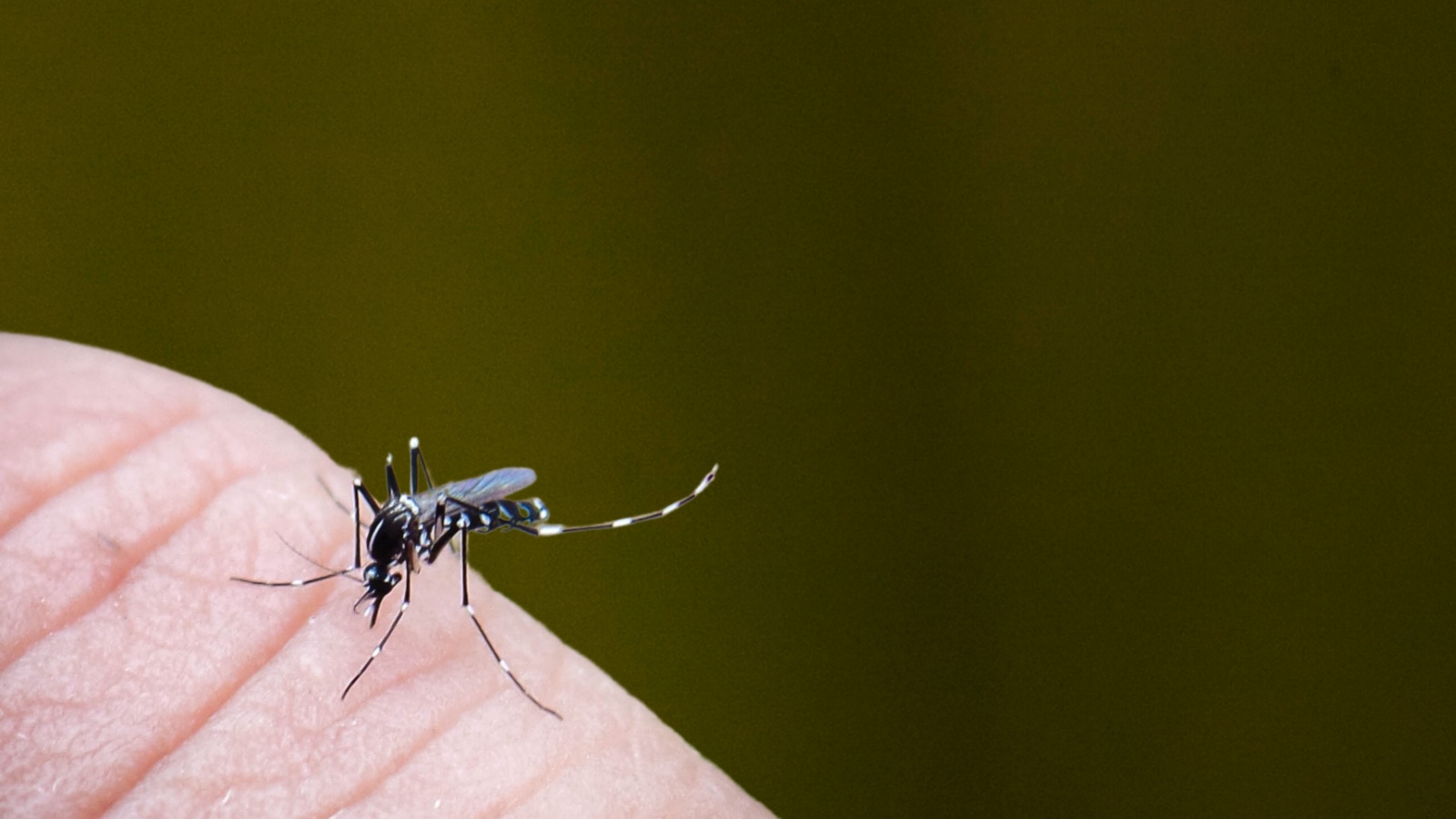
Wet springs can set Massachusetts up for a heavier mosquito season by filling breeding habitat before summer heat arrives. This article explains how early moisture, standing water and warm weather can accelerate population growth.
Bad mosquito years in Massachusetts and New Hampshire usually come from a combination of heat, rain, breeding water and accumulated late-summer pressure. Jeff explains why one season can feel dramatically worse than another.

Massachusetts mosquito-borne disease risk changed quickly in August 2026. This update covers the season’s first EEE-positive mosquitoes, four human West Nile cases reported by Aug. 31, and why homeowners should keep checking current town risk levels.